Sap safety handling
Wear gloves and avoid touching your face when cutting or repotting, since the milky sap is irritating; rinse skin with plenty of water if contact occurs and keep pets and children away from fresh cuts until the sap has dried.

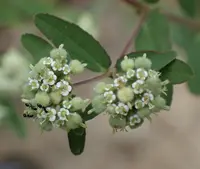
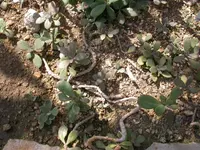
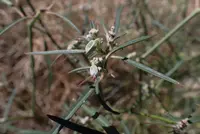
Roadside sandmat (Euphorbia lasiocarpa) is a small, mat-forming perennial herb in the spurge family. It typically grows close to the ground with many thin, spreading stems. Leaves are tiny, often clustered, and the plant bears very small, cup-like flowers that can be easy to overlook. It usually appears as a low, patchy cover along roadsides, open fields, and disturbed sandy or gravelly sites. This species is adapted to dry, sunny locations and poor, well-drained soils, which makes it naturally tough and drought tolerant. Because of this resilience, many gardeners find it straightforward to care for Roadside Sandmat in similar conditions.

Care Difficulty
Easy Care

Light Preference
Full Sun

Water Requirements
Low Water

Temperature Preference
Warm Climate

Hardiness Zone
9–11

Soil Texture
Sandy, Rocky, Loamy

Soil pH
Slightly acidic (6.5–7.0), Neutral (7.0)

Soil Drainage
Well-drained

Fertilization
Minimal (feed rarely)
Scan your plant to receive care tips personalized for your specific plant
Available on iOS and Android
Euphorbia lasiocarpa thrives in bright, open sites with strong light and brief shade relief in hot climates.
This drought-tolerant species prefers infrequent, deep watering and fast-draining soil.
This plant favors warm, dry conditions and is sensitive to prolonged cold and frost.
This species handles a wide humidity range and rarely needs special humidity management.
This species prefers lean, sharply drained soil that mimics dry, sandy habitats.
This species can be grown in containers if the setup prioritizes rapid drainage and root dryness.
This drought-adapted species needs only light feeding in most garden soils.
Pruning Euphorbia lasiocarpa is mainly for tidiness, health, and controlling spread.
This plant is usually grown in the ground; focus on cautious transplanting rather than frequent repotting.
Euphorbia lasiocarpa is commonly propagated by seed and stem cuttings under warm, bright conditions.
This species is generally cold tolerant in mild climates and needs only modest winter attention in the ground.

Plant Health Check
Not sure what's wrong with your plant? Check your plant's health inside the app.
This species naturally occurs in disturbed, open sites such as roadsides, field margins, and waste ground, where it forms low, often inconspicuous mats adapted to high light and heat.
Its “flowers” are actually cyathia, a specialized Euphorbia structure that clusters several reduced male and female flowers inside a cup-like bract, an efficient arrangement for wind and small-insect pollination.
Like many spurges, it produces a white, sticky latex that deters most herbivores and helps seal wounds, a defensive trait typical for the genus but expressed even in its very small stems and leaves.
This species forms low, mat-like patches but usually spreads slowly where soil is poor and dry. In richer, disturbed sites it can seed around more freely. Hand-pull unwanted seedlings before they flower to limit spread when needed.
Keep your plants happy and healthy with plant identification, disease detection, and easy care guidance.