Spider Crownfig Care (Trichodiadema intonsum)

Also known as: Spiderweb Crownfig, Bulb Crownfig
Spider Crownfig

About Spider Crownfig

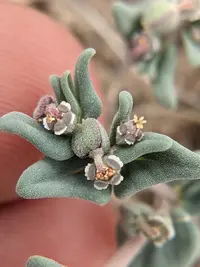
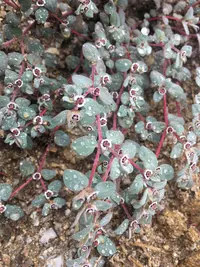
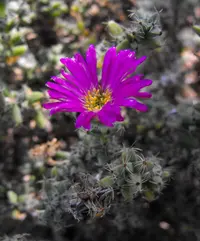
Spider crownfig, Trichodiadema intonsum, is a compact succulent shrublet valued for its fine, upright stems and small cylindrical leaves tipped with bristly hairs. The foliage often forms a neat, textured mound that is topped by daisy-like purple or pink flowers in good light.

This species is native to arid regions of South Africa, where it grows in rocky, well-drained soils with strong sun and low rainfall. Its drought tolerance and slow, controlled growth make it suitable for windowsills and small containers, though it dislikes prolonged cold and excess moisture.

Understanding how to care for Spider Crownfig starts with treating it like a true desert plant that needs bright light, very free-draining soil, and careful, infrequent watering.

Main Plant Requirements

Care Difficulty

Moderate Care

Light Preference

Full Sun

Water Requirements

Low Water

Temperature Preference

Warm Climate

Hardiness Zone

10–11

Soil Texture

Sandy, Loamy, Rocky

Soil pH

Slightly acidic (6.5–7.0), Neutral (7.0)

Soil Drainage

Well-drained

Fertilization

Minimal (feed rarely)

Get Personalized Care Plan

Scan your plant to receive care tips personalized for your specific plant

Available on iOS and Android

How to Care for the Spider Crownfig

This compact succulent thrives in bright, open exposures that mimic its native habitat.

  • Provide 6–8 hours of direct sun daily, ideally strong morning sun with some light afternoon shade in very hot climates.
  • Spider Crownfig tolerates light partial shade, but stretched, pale growth indicates it needs more direct sun exposure.
  • In summer, harden plants off gradually to intense sun to prevent leaf scorch; in winter, prioritize maximum light and avoid deep shade.

This drought-adapted succulent needs infrequent but thorough watering and very fast drainage.

  • Allow the top 3–5 cm of soil to dry completely before watering, then soak thoroughly and let all excess drain away.
  • Reduce watering sharply in winter, especially if growth slows; wrinkling leaves suggest mild underwatering, while soft, translucent tissue suggests overwatering and root rot risk.
  • Use a gritty, free-draining mix so water passes through quickly; avoid letting Trichodiadema intonsum sit in saucers or low spots where water collects.

This species prefers warm, dry conditions and handles moderate heat better than prolonged cold.

  • Aim for 65–80°F (18–27°C) during active growth for best development and flowering.
  • It tolerates short drops to about 25–30°F (-4 to -1°C) if dry, but repeated freezes or wet cold greatly increase rot risk.
  • In hot spells above 90°F (32°C), provide airflow and light afternoon shade; protect from frost with covers or by moving containers under shelter.

This drought-adapted succulent tolerates typical indoor humidity and does not need extra moisture in the air.

  • Aim for 30–50% humidity, similar to most heated or air-conditioned homes, for stable growth in Spider Crownfig.
  • Dry air is usually tolerated, but combined with heat it can speed leaf shriveling and tip dieback.
  • If air is extremely dry, place the pot on a pebble tray with water below the pot base to slightly buffer humidity.

This species needs a very fast-draining, mineral-based mix that dries quickly between waterings.

  • Use a gritty, sandy mix such as 50–70% mineral components (pumice, coarse sand, small gravel) with 30–50% cactus potting mix.
  • Ensure water drains through within seconds; compact, peat-heavy mixes increase rot risk for Trichodiadema intonsum.
  • Target slightly acidic to neutral pH around 6.0–7.0, which most commercial cactus mixes already provide.
  • Improve aeration and drainage by avoiding fine sand and instead using coarse particles that create visible air gaps in the substrate.

This compact succulent is very suitable for container growing both indoors and outdoors in mild climates.

  • Choose a wide, shallow pot to match the fibrous, shallow root system and keep the crown slightly above the rim to prevent water pooling.
  • Select unglazed terracotta if extra evaporation is needed; glazed ceramic or plastic retains moisture longer in hot, dry regions.
  • Raise the pot on feet or mesh blocks so drainage holes stay clear and water does not collect under the container after rainfall or watering.

Trichodiadema intonsum benefits from light feeding but is sensitive to excessive nutrients.

  • Use a low-dose balanced liquid fertilizer (around 10-10-10) diluted to 25–50% strength for Spider Crownfig in active growth.
  • Feed once every 4–6 weeks in spring and summer only, on already moist soil.
  • Avoid organic compost-heavy mixes, which hold too much moisture for this succulent.
  • Stop feeding in fall and winter when growth slows or the plant is semi-dormant.

Pruning Trichodiadema intonsum is mainly for tidiness and to maintain a compact form.

  • Carry out light pruning in late winter or early spring before active growth resumes.
  • Remove dead, damaged, or shriveled stems with clean, sharp scissors or small snips.
  • Trim back leggy or overly long shoots to encourage branching and a denser cushion-like shape.
  • Avoid heavy cutting into thick, woody bases, which may reshoot slowly or not at all.

This species prefers a stable root environment and only needs occasional repotting or transplanting.

  • Check for roots circling the pot, pushing through drainage holes, or slowed growth as signs it needs a larger container.
  • Plan repotting for late spring, using a shallow pot with very free-draining cactus or succulent mix.
  • Move up only 1 pot size to prevent excess moisture around roots and reduce rot risk.
  • Gently tease outer roots loose, keep the rootball mostly intact, and withhold water for 2–3 days after repotting to limit stress.

Trichodiadema intonsum is commonly propagated from stem cuttings or seed under warm, bright conditions.

  • Take short, firm stem cuttings in late spring or early summer and let cut ends callus for 1–2 days.
  • Insert cuttings into a sterile, gritty mix and keep slightly moist, with bright indirect light and good airflow.
  • For seeds, sow on the surface of a sandy mix, barely cover, and maintain 70–75°F for germination.
  • Avoid high humidity domes; moderate dryness helps prevent rot during rooting and seedling growth.

This succulent prefers cool, dry winter conditions and has limited frost tolerance.

  • Keep outdoor plants in regions with mild winters only; brief light frost may be tolerated but hard freezes damage tissues.
  • For containers, move plants indoors or under cover when temperatures approach 32°F.
  • Provide a bright, cool spot (45–55°F) and keep soil almost dry through winter.
  • Avoid mulching heavily around the crown to prevent moisture buildup and rot.

Care Tips

Rootzone aeration

Use a shallow, wide pot with several drainage holes and a coarse topdressing of gravel to keep the neck of the plant dry and the fine feeder roots well aerated, which helps prevent rot in older clumps.

Controlled clump division

Every 3–4 years, lift the plant during its spring growth, gently tease apart congested clumps into a few firm sections, and replant them slightly raised to refresh growth and reduce the risk of center dieback.

Light acclimation steps

When moving plants outdoors for summer, increase light levels gradually over 10–14 days by starting in bright shade and shifting to more direct sun, which reduces scarring and stress on the small, hair-covered leaves.

Targeted pest checks

Inspect the crown and stem bases closely every 1–2 weeks for mealybugs and spider mites, and if found, isolate the plant and treat with a cotton swab dipped in isopropyl alcohol before infestations reach the dense inner stems.

Dry-season resting

In the hottest, brightest part of summer, allow a slightly longer dry interval between waterings and avoid repotting, as a mild rest period helps stabilize growth patterns when growing Spider Crownfig in containers.

Common Pests and Diseases

Mealybugs

This pest feeds on succulent stems and leaf bases, sucking sap and weakening growth, especially on dense, mat-forming clumps. Symptoms include white cottony clusters in stem joints and a sticky residue on nearby surfaces.

Solution

Isolate the plant, then dab visible insects with cotton swabs dipped in 70% isopropyl alcohol and repeat weekly until no new clusters appear. Improve light and airflow, avoid overfertilizing, and for larger infestations use a systemic insecticide labeled for succulents, applied according to the product directions.

Aphids

These insects colonize soft new shoots and flower stalks, distorting growth and excreting honeydew that can lead to sooty mold on this compact succulent. Symptoms include clustered green, black, or brown insects on tips and flower buds, plus sticky residue.

Solution

Rinse the plant thoroughly with a firm but gentle stream of water, then allow it to dry in bright light. If aphids return, apply an insecticidal soap or light horticultural oil, making sure to cover shoot tips and flower stems, and repeat at 5–7 day intervals while monitoring for beneficial insects outdoors.

Spider mites

This pest becomes a problem in hot, very dry conditions, causing tiny pale speckles on the small leaves and fine webbing along the stems. Symptoms include dull, tired-looking foliage and fine silk threads between stems or across the plant surface.

Solution

Increase humidity locally by placing a tray of water and stones nearby, then wash the plant with a gentle spray of water to remove mites and webbing. If symptoms persist, treat with insecticidal soap or a miticide labeled for indoor succulents, repeating applications as directed and avoiding treatments during strong direct sun to prevent leaf burn.

Fungal stem rot

This disease develops when the plant stays wet and cool, especially in dense pots or poorly draining mixes, leading to brown, mushy stems at the base. Symptoms include sudden collapse of sections of the mat and discolored, soft tissue at or just below the soil line.

Solution

Remove and discard all softened or discolored stems and any waterlogged substrate, then replant only firm, healthy pieces into a fast-draining, gritty mix. Allow the soil to dry well between waterings, use pots with ample drainage holes, and keep the plant in bright, warm conditions to prevent recurrence, which is central to Trichodiadema intonsum care.

Interesting Facts

Miniature caudiciform habit

This species develops a swollen, woody base and short, compact branches that give it a bonsai-like appearance, unlike many other Trichodiadema species that stay more shrubby and elongated.

Distinctive spider-like bristles

The leaf tips carry a tuft of stiff, radiating white hairs that resemble tiny spider legs, a trait especially pronounced in this species and responsible for the common name spider crownfig.

Fine-textured pink flowers

It produces relatively small, pale pink, daisy-like flowers with many narrow petals, forming a soft, delicate canopy over the compact body rather than large, showy blooms.

FAQs about Spider Crownfig

Flowering is reduced by insufficient light, especially in winter, or by overwatering that keeps roots constantly moist. Very rich soil or frequent fertilizer can also limit buds. Provide strong light, excellent drainage, and lean, gritty substrate to restore blooms.

Grow Healthy Plants with Botan Care

Keep your plants happy and healthy with plant identification, disease detection, and easy care guidance.

Botan plant care app — identify plants on mobile

Explore More Plants