red-gland spurge Care (Euphorbia melanadenia)

red-gland spurge

About red-gland spurge

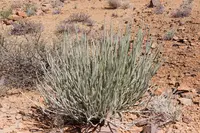
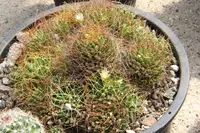
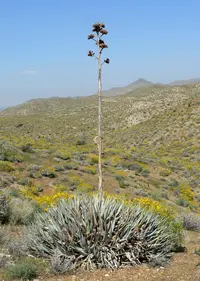
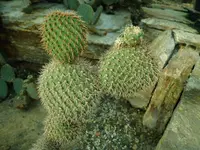
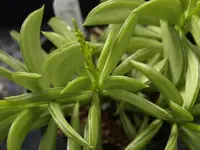
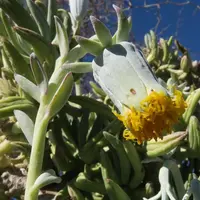
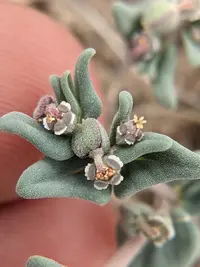
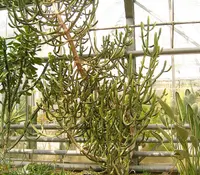
Euphorbia melanadenia, commonly called red-gland spurge, is a compact, shrubby succulent from arid regions of the southwestern United States and northern Mexico. It forms low, branching mounds with small gray-green leaves and tiny, red-tinted floral structures.

This species is adapted to sun, heat, and rocky, fast-draining soils, which makes it suitable for drought-tolerant and xeriscape plantings. Its slow to moderate growth and minimal foliage drop keep maintenance low, but sensitivity to excess moisture can make it challenging in humid or poorly drained sites.

Those who learn how to care for red-gland spurge typically focus on strong light, modest watering, and sharply draining soil to mimic its desert habitat.

Main Plant Requirements

Care Difficulty

Easy Care

Light Preference

Full Sun

Water Requirements

Low Water

Temperature Preference

Warm Climate

Hardiness Zone

8–10

Soil Texture

Sandy, Rocky, Loamy

Soil pH

Slightly acidic (6.5–7.0), Neutral (7.0)

Soil Drainage

Well-drained

Fertilization

Minimal (feed rarely)

Get Personalized Care Plan

Scan your plant to receive care tips personalized for your specific plant

Available on iOS and Android

How to Care for the red-gland spurge

This desert succulent thrives in strong light that mimics its native rocky habitats.

  • Provide 6–10 hours of direct sun daily; full sun is ideal in mild climates, with morning sun and light afternoon shade in very hot regions.
  • Red-gland spurge tolerates light partial shade, but prolonged low light causes weak, stretched growth and sparse flowering.
  • In summer heatwaves, protect from intense reflected afternoon sun to prevent stem scorch; in winter, maximize exposure by avoiding shade from buildings or taller plants.

This species is drought-adapted and prefers infrequent, deep watering in fast-draining soil.

  • Outdoors in arid climates, water only when the soil is dry at least 5–8 cm deep; this may mean every 2–4 weeks in warm seasons and far less in winter.
  • Use very gritty, fast-draining soil; water until it drains freely away, then let the root zone dry completely before the next watering.
  • Signs of overwatering include yellowing, mushy stems, and blackened roots; shriveling and very lightweight soil indicate Euphorbia melanadenia needs a thorough soak.

This plant prefers warm, dry conditions and is sensitive to prolonged cold and frost.

  • Aim for 65–85°F (18–29°C) during active growth, with low humidity and good air movement to mimic desert conditions.
  • It tolerates brief dips to about 30–32°F (-1–0°C) if very dry, but repeated frost or wet cold can cause stem and root damage.
  • In summer, it handles heat up to 95–100°F (35–38°C) if the soil drains quickly; in cooler months, protect from cold winds and avoid watering during cold spells to reduce rot risk.

This drought-adapted succulent tolerates low humidity and rarely needs special humidity care.

This species prefers very sharply drained, mineral-based soil that dries quickly between waterings.

  • Use a gritty mix such as 50% cactus potting mix with 50% mineral components like pumice, coarse sand, or small gravel.
  • Aim for a slightly alkaline to neutral pH around 7.0–7.8, similar to the calcareous rocky habitats of Euphorbia melanadenia.
  • Increase aeration by using large, irregular particles (3–6 mm) instead of fine sand that can compact and hold excess moisture.
  • Avoid dense, peat-heavy, or clayey substrates that stay wet, as these promote root rot and stem base collapse.

This species is well suited to container growing when drainage and stability are carefully managed.

  • Choose a wide, shallow pot to match its low, spreading root system and reduce the risk of water collecting at depth.
  • Prefer unglazed terracotta, which allows moisture to evaporate faster and keeps the root zone drier after watering.
  • If the plant becomes top-heavy, place the container inside a heavier cachepot or add surface stones to improve stability in outdoor wind exposure.

This drought-adapted succulent shrub needs very modest feeding, especially when grown in native, rocky soil.

  • For container-grown red-gland spurge, use a diluted balanced liquid fertilizer (around 10-10-10) at 1/4–1/2 strength.
  • Feed lightly once in mid-spring and again in mid-summer during active growth only.
  • Avoid rich compost or frequent fertilization, which encourages weak, lush growth and root problems.
  • Stop feeding in fall and winter when growth slows or the plant is semi-dormant.

Pruning needs for Euphorbia melanadenia are light and mainly focused on safety and shape.

  • Carry out pruning in late winter or early spring before new growth starts.
  • Remove dead, damaged, or crossing stems using clean, sharp bypass pruners.
  • Thin crowded interior stems slightly to maintain an open, compact form and good air flow.
  • Wear gloves and avoid skin contact with the milky sap when cutting stems.

This species is usually grown in dry gardens; disturbance of roots should stay minimal.

  • Transplant outdoor plants only if necessary, ideally in late spring once frost risk has passed.
  • Look for signs like slow growth, roots circling a container, or soil drying out very quickly in pots.
  • For containers, plan repotting every 3–4 years into a slightly larger pot with fast-draining cactus or succulent mix.
  • Handle the root ball gently, keep roots at the same depth, water once to settle soil, then allow to dry well.

Euphorbia melanadenia is most often propagated by seeds or carefully handled stem cuttings.

  • Sow fresh seeds in late spring in a gritty, well-drained mix kept warm and just slightly moist.
  • Take short, healthy stem cuttings in late spring or early summer using clean tools.
  • Allow cuttings to dry and callus for several days before placing in barely moist, sandy substrate.
  • Provide bright light, good airflow, and avoid overwatering while new roots form.

This desert species is fairly cold tolerant when kept dry but can suffer in prolonged freezing, especially in containers.

  • In-ground plants in mild, dry climates usually need no extra protection beyond well-drained soil.
  • Add a light, gravelly mulch around the root zone to improve drainage rather than to retain moisture.
  • Move containers under a roof or indoors to a bright, cool, frost-free spot for winter.
  • Keep soil almost dry in winter to reduce risk of root rot in cold conditions.

Care Tips

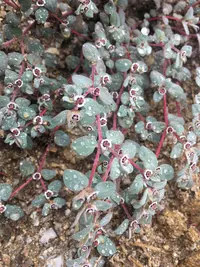
Rocky root zone

Plant directly into a gritty rock garden pocket or add a surface layer of coarse gravel around the root zone to keep the crown dry and stable, which mimics its native habitat and reduces rot risk.

Controlled container depth

Use a wide, shallow pot with excellent side drainage when growing red-gland spurge in containers so the shallow root system dries evenly and does not sit in cool, wet compost.

Minimal organic mulch

Avoid traditional organic mulches around the stem and instead use only a thin mineral mulch such as small stones, which keeps the base airy and prevents moisture buildup at the crown.

Safe sap handling

Wear gloves and long sleeves when pruning or repotting, and rinse any sap off tools and skin promptly with cool water to prevent irritation and accidental contact with eyes or mouth.

Winter rain protection

In regions with wet winters, provide a simple clear rain shield or place pots under a deep eave so the plant stays bright and cool but the root zone and crown avoid prolonged saturation.

Common Pests and Diseases

Sap-sucking mealybugs

This pest often hides in stem joints and along ridges, feeding on plant sap and leaving behind cottony white clusters. Symptoms include yellowing, slow growth, and sticky honeydew on nearby surfaces.

Solution

Isolate the plant, then dab visible mealybugs with cotton swabs soaked in 70% isopropyl alcohol and repeat weekly until no new insects appear. For larger colonies, use a strong but gentle stream of water to dislodge them and follow with applications of insecticidal soap, keeping the plant dry between treatments to avoid stressing the succulent stems.

Spider mites

These insects thrive in hot, very dry conditions and can colonize the fine branches, causing pale stippling and a dull, dusty look to the stems. Symptoms include delicate webbing in branch crotches and gradual decline in vigor.

Solution

Rinse the plant thoroughly with a firm stream of water, focusing on branch joints where mites collect, then allow it to dry quickly in bright light. Follow up with repeated applications of insecticidal soap or neem oil on cooler days, and increase ambient humidity slightly around, but not directly on, the plant to make conditions less favorable for mites while still keeping the soil dry.

Powdery mildew

This disease can develop during periods of warm days and cool, humid nights, forming a white, powdery film on stems and small leaves or bracts. Symptoms include reduced vigor and a slightly distorted or stunted appearance of new growth.

Solution

Improve air movement around the plant, avoid overhead watering, and remove heavily affected segments with clean, sharp tools. For persistent cases, apply a sulfur-based or potassium bicarbonate fungicide labeled for succulents, treating in the evening or in shade to avoid sunburn on treated tissues.

Bacterial stem canker

This disease sometimes affects damaged stems, leading to sunken, dark lesions that may ooze and girdle sections of the plant. Symptoms include localized black or dark brown spots that spread along ridges, causing segments above the canker to shrivel and die back.

Solution

Cut out affected sections well below visible symptoms using sterilized tools and discard all infected material, not in compost. After pruning, keep the plant in a dry, bright, well-ventilated location, avoid any stem wounding, and sterilize tools between cuts with 70% isopropyl alcohol to prevent further spread.

Interesting Facts

Desert rock specialist

This species is naturally restricted to arid rocky slopes and desert canyons of the southwestern United States and northwestern Mexico, where it grows in very shallow, mineral soils and crevices that many other plants cannot tolerate.

Miniature succulent shrub

It forms a low, much-branched, woody base with many short, jointed succulent stems that store water, giving it a compact, shrubby appearance rather than the single-column form seen in many other spurges.

Glandular flower cups

Its small, cup-like inflorescences (cyathia) have conspicuous dark nectar glands that give the plant its name melanadenia, meaning dark gland, and help attract pollinators despite the flowers being tiny and not brightly colored.

FAQs about red-gland spurge

This species stays relatively compact and forms small clumps, not large colonies. It spreads slowly from the base rather than by runners. In typical dry garden conditions, it is not considered aggressive or difficult to contain.

Grow Healthy Plants with Botan Care

Keep your plants happy and healthy with plant identification, disease detection, and easy care guidance.

Botan plant care app — identify plants on mobile

Explore More Plants