Karas Milkbush Care (Euphorbia gregaria)

Also known as: Karas Euphorbia
Karas Milkbush

About Karas Milkbush

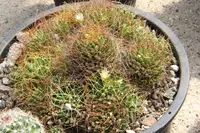
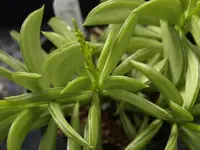
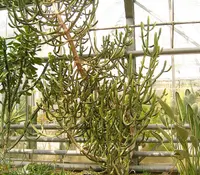
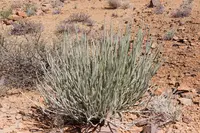
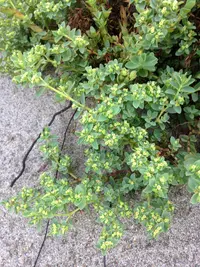
Karas milkbush (Euphorbia gregaria) is a compact, clump-forming succulent from arid regions of southern Africa. It grows as many upright, pencil-thin green stems emerging from a shared base. The plant often forms dense, rounded cushions over time, with small leaves that appear briefly and then drop, leaving the stems to handle most of the photosynthesis. This growth habit makes it visually architectural and space efficient. In its native habitat, it thrives in dry, rocky soils with intense sun and very limited rainfall. These drought-adapted traits make it relatively easy to care for Karas Milkbush if it receives strong light, fast-draining soil, and careful watering that avoids constant moisture around the roots.

Main Plant Requirements

Care Difficulty

Moderate Care

Light Preference

Full Sun

Water Requirements

Low Water

Temperature Preference

Warm Climate

Hardiness Zone

9–11

Soil Texture

Sandy, Loamy, Rocky

Soil pH

Slightly acidic (6.5–7.0), Neutral (7.0)

Soil Drainage

Well-drained

Fertilization

Minimal (feed rarely)

Get Personalized Care Plan

Scan your plant to receive care tips personalized for your specific plant

Available on iOS and Android

How to Care for the Karas Milkbush

This South African succulent prefers bright, open conditions that mimic its natural habitat.

  • Provide 6–8 hours of full sun daily, ideally with strong morning sun; light afternoon shade helps prevent scorching in very hot, dry regions.
  • Karas Milkbush tolerates light partial shade, but stems may stretch and lose density if it receives under 4–5 hours of direct sun.
  • In winter, ensure maximum light exposure and avoid shading from taller plants or structures to maintain compact growth and healthy color.

This drought-adapted succulent stores water in its stems and prefers infrequent, thorough watering.

  • Outdoors in fast-draining soil, water only when the top 3–5 cm are completely dry; in hot, dry weather this may mean every 2–3 weeks, less often in cooler periods.
  • Euphorbia gregaria is prone to root rot in poorly drained or heavy clay soils; raised beds or gritty amendments reduce risk.
  • Signs of overwatering include yellowing, soft stems, or blackened roots, while shriveling stems and slow recovery after rain suggest underwatering.

This species is adapted to warm, arid climates and dislikes prolonged cold or damp conditions.

  • Aim for 70–90°F (21–32°C) during active growth; the plant handles dry heat above 95°F (35°C) if soil is very well drained and roots are not waterlogged.
  • Protect from frost; sustained temperatures below 30°F (-1°C) can damage tissues, while brief light frosts may burn tips but often spare deeper roots.
  • In regions with cold winters, keep the plant as dry as possible from late fall, since cool, wet soil greatly increases rot risk even above freezing.

Humidity is rarely a concern for Euphorbia gregaria, which thrives in dry indoor air around 30–50%.

  • Tolerates very low humidity without special measures, making Karas Milkbush suitable for heated, dry rooms.
  • Watch for soft, pale, or stretched new growth as a sign of excess moisture in air and substrate combined.
  • If air is extremely dry and hot, increase airflow rather than misting to prevent fungal issues on stems and soil surface.

Euphorbia gregaria needs a sharply draining, mineral-rich substrate to prevent root and stem rot.

  • Use a gritty mix such as 50–60% cactus potting mix blended with coarse sand and pumice or perlite for strong aeration.
  • Aim for slightly acidic to neutral pH around 6.0–7.0, avoiding heavy liming unless water is very soft.
  • Avoid peat‑heavy, compact, or water-retentive substrates that stay wet for more than 1–2 days after watering.
  • In very humid or cool conditions, increase the proportion of mineral components to improve drainage and limit rot risk.

This species is well suited to container growing when drainage and stability are prioritized.

  • Choose a shallow but wide pot that matches the spreading root system and reduces unused, constantly wet substrate.
  • Select unglazed clay if extra evaporation is needed in cool or low‑light settings to keep the mix drier between waterings.
  • Place the container where it cannot be easily knocked, as the clustered stems can make the plant slightly top-heavy over time.

This drought-adapted succulent needs minimal feeding, so focus on light support rather than heavy fertilization for Karas Milkbush.

  • Use a balanced, low-strength succulent fertilizer (for example 10-10-10) diluted to 25–50% of the label rate.
  • Feed once at the start of the warm growing season if growth appears weak or soil is very poor.
  • Avoid organic compost-rich mixes that stay wet, which increase root rot risk in Euphorbia gregaria.
  • Do not fertilize in winter dormancy, and skip feeding if the plant is already growing firmly and maintaining color.

Pruning Euphorbia gregaria is mainly done for safety, shape control, and removal of unhealthy growth.

  • Best timing is late winter to early spring, before strong new growth begins.
  • Use clean, sharp bypass pruners and wear gloves and eye protection due to irritating latex sap.
  • Remove dead, damaged, crossing, or overcrowded stems at the base to improve air flow and structure.
  • Shorten or thin stems to contain spread and maintain a compact, clumping habit without cutting into very old woody bases.

This species is usually grown in the ground, but container plants and clumps benefit from careful, infrequent transplanting.

  • Consider transplanting when roots circle the pot, drainage slows, or growth declines despite good light and watering.
  • Plan moves for late spring to early summer, when soil is warm and recovery is fastest; intervals of 3–5 years are typical.
  • Lift the clump gently, keep the root ball as intact as possible, and shake off only loose soil.
  • Replant into very well-drained, gritty soil, water once to settle roots, then allow the mix to dry partly to limit stress and rot.

New plants are most often produced by division or stem cuttings from established Euphorbia gregaria clumps.

  • Divide offsets in late spring, separating small rooted sections with a clean knife or spade.
  • Take short, firm stem cuttings, then let cut surfaces dry and callus for several days in shade.
  • Plant divisions or callused cuttings in a gritty, fast-draining mix and keep just slightly moist, never wet.
  • Seeds can be sown on the surface of a sandy mix in warm, bright conditions, though this is slower and less reliable.

This Euphorbia is reasonably cold tolerant in dry, mild-winter climates but needs attention in colder or wetter regions.

  • In-ground plants in mild zones tolerate light frosts if soil drains well and stays relatively dry.
  • Apply a thin, gravelly mulch around the crown to limit heaving while keeping stems dry at the base.
  • Move containers under cover or indoors before hard freezes, providing bright, cool, and very dry conditions.
  • Avoid winter watering except to prevent complete shriveling, as cold, wet soil greatly increases rot risk.

Care Tips

Handle Sap Safely

Wear gloves and avoid touching your face when pruning or repotting, as the white latex sap is irritating to skin and eyes and can contaminate tools and nearby surfaces.

Segment Propagation

To expand a clump, cut a healthy stem segment, let the cut end dry and callus for 3–5 days, then plant it in barely moist, gritty mix and keep it bright and warm until new growth appears.

Controlled Clump Spread

Periodically lift the pot and check drainage holes for escaping roots, then divide and repot overcrowded clusters in late spring to prevent the clump from becoming unstable and top-heavy.

Targeted Pest Checks

Inspect tight stem junctions and lower stems every 2–3 weeks for mealybugs or scale, and treat early with a cotton swab dipped in isopropyl alcohol rather than broad, repeated pesticide sprays.

Outdoor Summering

If moving the plant outdoors for summer, introduce it to higher light over 7–10 days in stages, and place containers where heavy rain cannot flood the pot to support stable Euphorbia gregaria care.

Common Pests and Diseases

Mealybugs

This pest often hides in stem joints and along the ribbed sections of the clumps, feeding on sap and causing stunting and distorted new growth.

Solution

Isolate the plant, then dab visible insects with cotton swabs dipped in 70% isopropyl alcohol and repeat weekly; for larger infestations on outdoor clumps, use a targeted insecticidal soap or horticultural oil spray, ensuring good coverage between stems while avoiding treatment during strong sun or high heat.

Spider mites

These insects favor the dry, warm conditions typical for this species and can cause pale speckling and fine webbing between stems.

Solution

Increase humidity around the plant slightly without overwatering, rinse stems thoroughly with a firm stream of water, and follow with 2–3 applications of insecticidal soap or neem oil at 5–7 day intervals, paying particular attention to inner, crowded stems.

Aphids

This pest clusters on tender new shoots and flower stalks, extracting sap and leaving sticky honeydew that can attract sooty mold.

Solution

Prune heavily infested tips, hose the plant down to dislodge colonies, and use a selective insecticidal soap or neem oil on remaining aphids, reapplying as new growth emerges or populations rebound while monitoring nearby succulent plantings that can act as reservoirs.

Powdery mildew

This disease appears as a white, powdery coating on stems and sometimes on young growth during periods of warm days and cool, humid nights.

Solution

Improve air circulation by thinning crowded clumps, avoid overhead watering, and treat affected areas with a labeled sulfur or potassium bicarbonate fungicide, repeating as directed until new growth appears clean.

Stem canker

Symptoms include sunken, dark lesions on the fleshy stems that may cause localized collapse, often developing after mechanical injury or prolonged wetness.

Solution

Cut out affected sections well below the damaged tissue with a sterile blade, allow the cut surfaces to dry and callus in a warm, airy place, reduce watering to keep the root zone on the dry side, and discard severely affected plants to prevent pathogen spread when growing Karas Milkbush in groups.

Interesting Facts

Namaqualand clump former

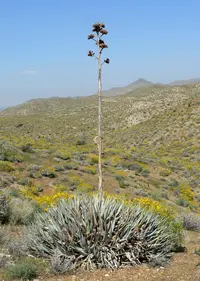
This species is native to the arid Namaqualand region of South Africa, where it forms low, dense clumps that help stabilize sandy or gravelly soils against wind erosion.

Underground survival strategy

Euphorbia gregaria has a thickened underground rootstock that allows it to resprout after drought or grazing, storing water and nutrients below the surface where conditions are more stable.

Milky latex defense

Like many spurges, it produces a white, latex-like sap that deters most herbivores and seals wounds, but in this species the latex is especially copious when stems are damaged.

FAQs about Karas Milkbush

This species has a milky sap that is toxic and irritating. Contact can cause skin rash and eye inflammation. Ingestion may trigger nausea, vomiting, or mouth irritation. Keep away from children, pets, and always handle with gloves.

Grow Healthy Plants with Botan Care

Keep your plants happy and healthy with plant identification, disease detection, and easy care guidance.

Botan plant care app — identify plants on mobile

Explore More Plants