Rotate For Symmetry
Turn the pot 90° every 2–3 weeks to keep stems evenly lit and prevent the plant from leaning or stretching strongly toward one side.

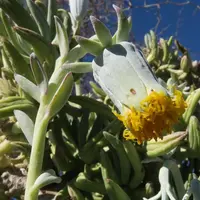
Mountain Fire, Kleinia cephalophora, is a compact succulent known for its upright, segmented stems and bright orange-red flower clusters that resemble small flames. It usually forms dense clumps, giving a structured, architectural look in pots or rock gardens.
This species is native to parts of southern Africa, where it grows in sunny, dry habitats with fast-draining, often rocky soils. These origins explain its strong drought tolerance and preference for bright light.
Its slow to moderate growth, low water needs, and resilience to brief neglect make it suitable for beginners who want to learn how to care for Mountain Fire. It generally prefers bright indirect to direct light, minimal watering, and gritty, well-draining soil mixes.

Care Difficulty
Easy Care

Light Preference
Full Sun

Water Requirements
Low Water

Temperature Preference
Tropical / Frost Sensitive

Hardiness Zone
10–11

Soil Texture
Sandy, Loamy, Rocky

Soil pH
Slightly acidic (6.5–7.0), Neutral (7.0)

Soil Drainage
Well-drained

Fertilization
Minimal (feed rarely)
Scan your plant to receive care tips personalized for your specific plant
Available on iOS and Android
This succulent prefers bright, direct light but benefits from some protection during the hottest hours.
This drought-tolerant succulent needs infrequent but deep watering with fast drainage.
This plant thrives in warm, dry conditions and dislikes cold, wet weather.
This succulent handles typical indoor humidity well and rarely needs extra moisture control.
This species needs a very fast-draining, airy mineral mix to prevent root and stem rot.
This plant is well suited to container culture, especially in dry or frost-prone regions.
Kleinia cephalophora benefits from light, controlled feeding suited to a drought-tolerant succulent.
Pruning Kleinia cephalophora focuses on tidying growth and maintaining sturdy, compact stems.
This succulent prefers slightly tight conditions and infrequent disturbance of its root system.
Kleinia cephalophora is commonly propagated from stem cuttings taken during the warm growing season.
This succulent is frost-sensitive and needs protection in regions with cold winters.

Plant Health Check
Not sure what's wrong with your plant? Check your plant's health inside the app.
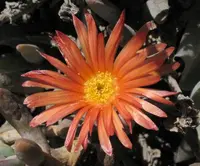
This species forms tight, rounded heads of many tiny orange-red florets on tall stalks, giving it a distinctive drumstick or button-like inflorescence compared with other Kleinia species.
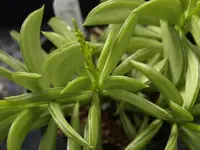
Its upright, cylindrical stems are succulent and store water, with narrow leaves clustered near the tips, creating a striking contrast between pale green columns and bright orange flower heads.
The plant is native to parts of eastern and southern Africa, where it grows in rocky, well-drained habitats and relies on its fleshy stems to withstand dry periods.
Poor flowering usually comes from insufficient light, too much nitrogen fertilizer, or stress from recent repotting or cold. Provide bright conditions, avoid heavy feeding, and let the plant rest slightly cooler and drier before its normal bloom season.
Keep your plants happy and healthy with plant identification, disease detection, and easy care guidance.