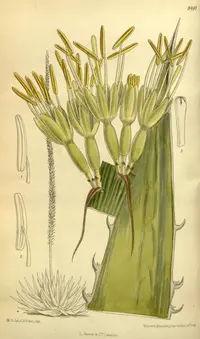
Fan aloe Care (Kumara plicatilis)

Also known as: French Hoek Aloe
Fan aloe

About Fan aloe

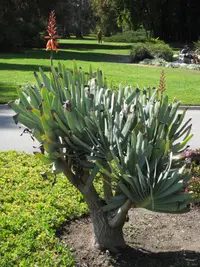
Fan aloe, Kumara plicatilis, is a slow-growing succulent shrub with a distinctive fan-shaped arrangement of paired, gray-green leaves. Its branching stems create a sculptural, tree-like form over time.

This species is native to rocky slopes in the Western Cape of South Africa, where it experiences strong sun, good air movement, and fast-draining soils. Its thick leaves store water, which makes the plant drought tolerant but sensitive to excess moisture and poor drainage.

Because of its slow growth, need for bright light, and dislike of overwatering, it is considered moderate in difficulty for home growers. Understanding how to care for Fan aloe helps prevent root rot and weak, stretched growth.


Main Plant Requirements

Care Difficulty

Moderate Care

Light Preference

Full Sun

Water Requirements

Low Water

Temperature Preference

Warm Climate

Hardiness Zone

9–11

Soil Texture

Sandy, Loamy, Rocky

Soil pH

Slightly acidic (6.5–7.0), Neutral (7.0)

Soil Drainage

Well-drained

Fertilization

Minimal (feed rarely)

Get Personalized Care Plan

Scan your plant to receive care tips personalized for your specific plant

Available on iOS and Android

How to Care for the Fan aloe

Kumara plicatilis prefers strong light that mimics its native South African habitat.

  • Provide 6–8 hours of direct sun daily, ideally with morning sun and light afternoon shade in very hot, dry climates to prevent leaf scorching.
  • In mild coastal or temperate areas, full sun is suitable; in hotter inland sites, use filtered light during peak afternoon hours.
  • Low light leads to elongated, weak growth and dull leaf color, so relocate Fan aloe to a brighter, unobstructed position if stems begin stretching.

This species stores water in its leaves and trunk, so watering must stay on the dry, conservative side.

  • Outdoors in fast-draining soil, water deeply only when the top 5–8 cm are completely dry, then let excess drain away fully.
  • Reduce watering in cool seasons, especially winter, and avoid watering during extended cloudy, cold periods to limit rot risk.
  • Signs of overwatering include yellowing, mushy leaves and stem base softness; shriveling, thin leaves signal that Kumara plicatilis needs a thorough soak.

This succulent prefers warm, dry conditions with protection from frost and extreme heat.

  • Optimal growth occurs around 65–80°F (18–27°C), with good airflow and low to moderate humidity to reduce fungal issues.
  • Protect the plant if temperatures drop near 32°F (0°C); brief, light frost may burn leaf tips, while hard freezes can kill tissue and roots.
  • In hot spells above 95°F (35°C), provide afternoon shade and avoid overhead watering on hot evenings to prevent heat and rot stress.

Kumara plicatilis handles typical indoor humidity well and rarely needs special humidity management.

This species needs a very fast-draining, mineral-rich mix to prevent root rot.

  • Use a sandy, gritty succulent mix, such as 50–70% inorganic material (pumice, coarse sand, small gravel) blended with a low-organic cactus substrate.
  • Aim for slightly acidic to neutral pH, around 6.0–7.0, which supports nutrient uptake without encouraging rot organisms.
  • Improve aeration by avoiding fine peat; instead add pumice or perlite at 30–50% of the volume for open pore spaces.
  • Avoid compacted, moisture-retentive garden soil or heavy compost blends, which hold water around the roots for too long.

This drought-tolerant succulent is well suited to container growing in dry or cool climates.

  • Choose a weighty, wide-based pot such as unglazed clay or concrete to counterbalance its top-heavy branching canopy.
  • Select a container only slightly wider than the root zone so the mix dries evenly and does not stay wet in unused outer areas.
  • Elevate the pot on feet or spacers so drainage holes stay clear and water runs off quickly after rain or irrigation.

Kumara plicatilis is a nutrient-efficient succulent that benefits from light, controlled feeding in containers.

  • Use a balanced, low-nitrogen cactus or succulent fertilizer (around 2-7-7 or similar) or a dilute general balanced NPK product.
  • Feed every 4–6 weeks in spring and early summer only, skipping feedings during very hot or dormant periods.
  • Dilute liquid fertilizer to 1/4–1/2 strength to avoid root burn in this slow-growing Fan aloe.
  • Avoid fertilizing in winter; keep the plant on the dry side while light levels and growth are low.

Kumara plicatilis needs minimal pruning, mainly to maintain health and a clean, architectural form.

  • Carry out light pruning in late winter or early spring before strong new growth starts.
  • Remove dead, diseased, or storm-damaged branches and any obviously crossing or rubbing stems.
  • Use sharp, clean bypass pruners and make cuts close to the branch base without damaging the trunk.
  • Avoid heavy structural cuts, which can disfigure the natural fan shape and increase rot risk at large wounds.

This species grows slowly and dislikes frequent disturbance, so repotting or transplanting should be infrequent and deliberate.

  • Repot container plants only when roots circle the pot, drainage slows, or growth declines despite proper light and watering.
  • Plan moves for late winter to early spring, just before the main growth period, and generally no more often than every 3–5 years.
  • Choose a shallow, heavy container with excellent drainage and a gritty mix, then shift only 1 pot size up to limit excess moisture.
  • Handle the woody root ball gently, keep roots as intact as possible, and water lightly after repotting to reduce stress and rot risk.

Kumara plicatilis is most reliably propagated from seed, with vegetative methods used less often and requiring patience.

  • Sow fresh seeds in late winter or early spring in a shallow tray filled with a sterile, gritty succulent mix.
  • Maintain 70–80°F, bright indirect light, and lightly moist but never wet soil until germination, which may take several weeks.
  • Once seedlings have several true leaves, prick them out carefully into small individual pots to reduce crowding stress.
  • Occasional cuttings from storm-damaged branches can be rooted if callused fully, then placed in barely moist, free-draining medium.

This plant is not fully frost hardy and needs thoughtful winter care in most temperate climates.

  • Keep outdoor plants in regions with mild winters only, where temperatures rarely drop below 28–30°F.
  • Mulch lightly with gravel or coarse sand around the root zone to improve drainage rather than retain moisture.
  • Move container plants indoors or into a bright, frost-free greenhouse before the first hard frost is forecast.
  • Water very sparingly in winter, allowing the mix to dry completely, to prevent cold-related root rot.

Care Tips

Pot weight check

Use the weight of the container as a quick gauge for root health; a very light pot in warm weather usually means the gritty mix has fully dried and can be safely watered, while a pot that stays heavy for more than 3–4 days suggests poor drainage or an overgrown root system that needs attention.

Secure branching trunk

As the plant forms a woody, branching trunk, use a wide, soft tie to anchor the main stem to a sturdy stake or the pot rim, which prevents wind rock and root damage when the top becomes heavy.

Rotate for symmetry

Rotate the container 1/4 turn every 2–3 weeks during the active growing season so each fan of leaves receives similar light, which keeps the rosettes evenly spaced and reduces leaning or twisted growth.

Winter rain protection

In climates with cold wet winters, place the pot under a deep overhang or use a simple clear rain shield so the crown and roots stay dry, since this species tolerates cool temperatures much better than prolonged cold moisture.

Root inspection schedule

Every 2–3 years, tip the plant gently from its pot at the start of the warm season to check for circling, corky roots and pockets of decomposed mix, then prune only dead roots and refresh the most compacted outer layer to support long-term growing Fan aloe in containers.

Common Pests and Diseases

Aloe mite

This pest causes abnormal, swollen, or frilled growths called galls on leaves and at the growing tips. Symptoms include distorted fans, corky tissue, and clustered, bumpy areas that do not look like normal Kumara plicatilis growth.

Solution

Remove and discard all affected tissue well back into healthy growth using sterilized tools, and destroy heavily deformed plants if the damage is extensive. Isolate the plant, improve air movement, and use a miticide specifically labeled for eriophyid mites on nearby aloes to reduce spread, following label directions carefully.

Aloe rust

This disease produces small yellow spots on leaves that develop into sunken, orange to brown pustules, often surrounded by a yellow halo. Symptoms include scattered lesions that eventually coalesce and weaken the leaf blade.

Solution

Cut off and dispose of infected leaves, keeping cuts clean and dry, and avoid overhead watering so foliage dries quickly. Provide strong light, good airflow, and if the plant repeatedly shows rust in humid conditions, apply a sulfur or copper-based fungicide labeled for rust on ornamental plants, following the directions closely.

Aloe scale

These insects appear as small, hard, white to brown bumps on leaves and stems, often lining the fan margins or bases. This pest feeds on sap, causing pale patches, slow growth, and sticky honeydew that can attract sooty mold.

Solution

Gently scrape or wipe off visible scales with a cotton pad dipped in 70% isopropyl alcohol, repeating weekly until no new scales appear. For larger infestations, use a horticultural oil spray, coating all leaf surfaces and crevices, and keep the plant in bright, dry conditions to support recovery.

Mealybugs

These insects form soft, white, cottony clusters in leaf axils, between fan segments, and around roots in the potting mix. This pest sucks sap, leading to stunted growth, yellowing leaves, and sticky honeydew deposits.

Solution

Physically remove visible mealybugs with a cotton swab dipped in 70% isopropyl alcohol, and flush leaf crevices with a light spray of alcohol solution, avoiding runoff into the soil. For persistent problems, unpot the plant, wash the roots, discard the old mix, repot into fresh, very well-drained soil, and apply a systemic insecticide labeled for mealybugs if non-chemical methods are insufficient.

Phytophthora crown rot

This disease starts as soft, water-soaked tissue at the base of the stems or fan junctions, often following prolonged moisture around the crown. Symptoms include sudden collapse of fans, brown or black mushy tissue at the base, and a sour smell from decaying stem tissue.

Solution

At the first signs, cut away all affected soft tissue back to firm, healthy material with sterilized tools, and allow the wounds to dry thoroughly in a warm, airy place before replanting in fresh, sharply draining mix. Prevent recurrence by using a gritty, fast-draining substrate, watering deeply but infrequently, keeping water off the crown in cool weather, and considering a phosphonate fungicide drench if the plant has been exposed to contaminated soil; these practices are central to Kumara plicatilis care instructions in collections prone to this pathogen.

Interesting Facts

Distinct fan-shaped leaves

This species produces pairs of flat, blue-green leaves arranged in opposite rows, forming a rigid fan that is unique among aloes and maximizes light capture in its exposed, rocky habitat.

Fire-adapted woody stems

Mature plants develop a thick, woody trunk and branches that help them survive periodic wildfires in their native Western Cape fynbos, allowing regrowth from surviving tissue after burns.

Narrow native range

It is naturally restricted to a small area of mountainous granite and sandstone slopes in South Africa’s Western Cape, where it grows in well-drained crevices exposed to intense sun and seasonal drought.

Botan icon

Did you know?

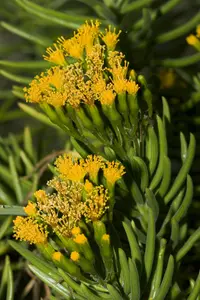
Unlike many succulent aloes that flower sporadically, this species produces tall, branched inflorescences crowded with tubular, orange-red flowers that provide an important early-season nectar source for local sunbirds in its native fynbos ecosystems.

FAQs about Fan aloe

Flowering usually begins only on mature plants, often after several years. Lack of cool, dry winter rest, insufficient light intensity, or recent repotting can reduce flower production even in otherwise healthy specimens.

Grow Healthy Plants with Botan Care

Keep your plants happy and healthy with plant identification, disease detection, and easy care guidance.

Botan plant care app — identify plants on mobile

Explore More Plants