Agave difformis Care

Agave difformis

About Agave difformis

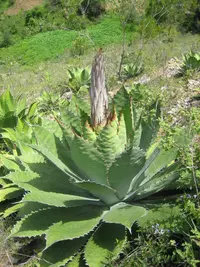
Agave difformis is a rosette-forming succulent from arid regions of Mexico, adapted to strong sun and dry, rocky soils. It stores water in thick, fleshy leaves, which are often irregularly shaped with sharp tips and margins. Plants stay relatively compact but can form clumps over time. Growth is slow, which suits container culture and low-maintenance landscapes. Its drought tolerance and minimal nutrient needs make it suited to beginners who prefer a tough, architectural plant. Basic knowledge of how to care for Agave difformis helps prevent overwatering and root problems in wetter or cooler climates.

Main Plant Requirements

Care Difficulty

Easy Care

Light Preference

Full Sun

Water Requirements

Low Water

Temperature Preference

Warm Climate

Hardiness Zone

9–11

Soil Texture

Sandy, Loamy, Rocky

Soil pH

Slightly acidic (6.5–7.0), Neutral (7.0)

Soil Drainage

Well-drained

Fertilization

Minimal (feed rarely)

Get Personalized Care Plan

Scan your plant to receive care tips personalized for your specific plant

Available on iOS and Android

How to Care for the Agave difformis

This sun-loving succulent needs strong light to keep its rosette compact and leaves well colored.

  • Provide 6–8 hours of direct sun daily; in very hot regions, give Agave difformis morning sun with light afternoon shade to reduce leaf scorch.
  • In cooler or coastal climates, full sun all day is suitable, provided soil drains quickly and reflected heat from walls or paving is not extreme.
  • Watch for signs of stress: pale, elongated leaves indicate insufficient light, while bleached, crispy patches suggest excessive intense sun exposure.

This species prefers infrequent, deep watering and very fast-draining soil.

  • Outdoors in arid or warm climates, water only when the top 5–8 cm of soil are completely dry, then soak the root zone and allow it to drain thoroughly.
  • Reduce watering sharply in cooler months; in winter, established plants in the ground may need no water beyond natural rainfall unless leaves noticeably shrivel.
  • Use gritty, sharply draining soil or a raised bed to prevent standing water; yellowing, swollen leaves or a soft crown indicate overwatering and possible root rot.

This desert-adapted rosette handles heat well but is sensitive to hard frost and prolonged cold.

  • Aim for warm growing conditions around 70–90°F (21–32°C) during active growth, with low to moderate humidity and excellent air movement.
  • Mature plants may survive brief dips to about 25°F (-4°C) if dry, but foliage damage increases below freezing and repeated frosts can kill the crown.
  • In regions with cold winters, plant on a slope or raised mound for better drainage and protect from winter rain and freeze-thaw cycles that encourage rot.

This species handles typical indoor humidity well, so humidity is rarely a concern.

This species needs a very fast-draining, mineral-heavy substrate to prevent root rot.

  • Use a gritty mix of 50–70% inorganic material such as pumice, coarse sand, and small gravel, with the remainder cactus potting mix.
  • Ensure the mix feels loose and crumbly so air moves easily around the roots and water drains within seconds.
  • Keep pH slightly acidic to neutral (pH 6.0–7.2), avoiding heavily limed or salty media that can burn roots.
  • Avoid peat-heavy, compacted, or moisture-retentive mixes, which stay wet too long and greatly increase rot risk for Agave difformis.

This species is well suited to container culture outdoors in sunny, dry conditions.

  • Choose a wide, low, weighty pot to counteract the rosette’s leverage and reduce tipping in strong winds.
  • Select unglazed terracotta in rainy climates to let the mix dry faster and reduce the chance of chronic dampness.
  • Raise the pot on feet or bricks so drainage holes clear the ground and runoff water moves away quickly.

This drought-adapted succulent needs only light feeding to support steady growth in containers or poor soils.

  • Use a balanced, low-nitrogen cactus or succulent fertilizer or a mild slow-release product, not rich compost.
  • Feed once at the start of the warm growing season, then again mid-season for container-grown Agave difformis.
  • Dilute liquid fertilizer to 25–50% strength to avoid soft, weak growth and potential root burn.
  • Stop feeding in fall and winter when growth slows, especially in cool indoor or outdoor conditions.

Pruning is mainly cosmetic and hygienic, helping maintain a clean, safe rosette form.

  • Best timing is late spring or summer, when the plant is actively growing and wounds seal faster.
  • Remove only dead, dried, or clearly damaged leaves from Agave difformis, cutting close to the base without injuring the core.
  • Thin severely crowded, low leaves to improve airflow and reduce hiding places for pests, but keep the plant’s natural shape.
  • Use sharp, clean pruning shears and thick gloves, and disinfect tools with alcohol between plants to limit disease spread.

This agave is slow-growing and dislikes frequent disturbance, so repot or transplant only when clearly necessary.

  • Check for roots circling the pot, pushing through drainage holes, or very slow growth before moving Agave difformis.
  • Plan repotting or transplanting for late spring to early summer, once nights are consistently mild and soil warms.
  • Expect to repot container plants every 3–5 years, stepping up only 2–5 cm in pot diameter with a gritty, fast-draining mix.
  • Minimize root stress by keeping the root ball largely intact, handling spines carefully, then watering lightly and shading for 3–7 days.

Propagation relies mainly on offsets, with seeds used when offsets are unavailable or for larger-scale growing Agave difformis.

  • Separate basal offsets in late spring or early summer once they reach at least 5–8 cm across.
  • Let freshly cut offsets dry for 3–7 days so cut surfaces callus, reducing rot risk before potting.
  • Root offsets in a very well-drained cactus mix, providing bright light, 70–80°F warmth, and minimal watering until new growth appears.
  • Sow seeds on the surface of sterile, gritty medium, keep slightly moist and warm (70–80°F), and expect uneven, slow germination.

Cold sensitivity means this species needs thoughtful winter management, especially in containers or marginal climates.

  • Agave difformis is best kept above roughly 25°F; prolonged freezes damage leaves and crowns.
  • For in-ground plants in mild regions, apply a 5–8 cm gravel or coarse sand mulch to keep the crown drier in winter.
  • Move container plants under cover or indoors before hard frost, providing maximum light and very lean watering.
  • In regions with occasional snow or ice, shield the rosette from trapped moisture using a simple, breathable overhead cover.

Care Tips

Improve cold drainage

In climates with winter rain, plant on a raised mound or slope made of very gritty soil so water runs off the crown quickly and roots do not sit in cold, wet conditions.

Use mineral mulch

Top-dress the root zone with 2–5 cm of coarse gravel or pumice rather than organic mulch to keep the collar dry, reduce rot risk, and reflect light back onto lower leaves.

Rotate container plants

If grown in a pot, rotate the container 90° every 4–6 weeks during the growing season to maintain a symmetrical rosette and prevent the plant from leaning toward the strongest light source.

Manage offsets early

Remove or thin crowded pups with a clean, sharp knife while they are still small so the main rosette has good air flow and space, and so you can replant offsets at the correct spacing.

Protect from mechanical damage

Place the plant away from foot traffic and use stable, heavy containers outdoors so sharp leaves are not broken and the rosette is not knocked or tipped, which can damage the shallow root system.

Common Pests and Diseases

Agave snout weevil

This pest bores into the base of the rosette, causing internal tunneling, collapse of leaves, and a rotten or fermented smell at the crown.

Solution

Inspect the crown and base regularly and remove and destroy any infested plants before adults spread. Keep plants in well-drained soil, avoid mechanical damage at the base, and, in high-risk areas, use a systemic insecticide drench in early spring as a preventive treatment according to label directions.

Agave mite

These insects are microscopic eriophyid mites that feed in protected leaf folds, causing distorted new growth, rough or corky patches, and sometimes a greasy or streaked look near the core.

Solution

Remove and discard heavily distorted or suspicious plants, as mites spread easily with close contact. Quarantine new agaves, avoid overhead watering into the crown, and use a registered miticide labeled for eriophyid mites if an infestation is confirmed, treating all nearby agaves at the same time.

Soft scale

This pest appears as small, rounded bumps on leaves, exuding sticky honeydew that can lead to sooty mold on the leaf surface.

Solution

Wipe leaves with a cloth dipped in water with a small amount of mild soap to remove scales and honeydew, then rinse with clean water. For persistent infestations, apply a horticultural oil or insecticidal soap thoroughly to leaf surfaces, repeating as needed while keeping the plant in bright, airy conditions.

Leaf spot

This disease causes small, sunken or water-soaked lesions that may turn brown with pale halos, often starting on older leaves exposed to prolonged moisture.

Solution

Remove affected leaves and dispose of them in the trash to reduce inoculum. Improve airflow, keep water off the rosette where possible, water in the morning, and in recurrent cases apply a copper-based or other labeled fungicide to protect healthy tissue, following all product directions carefully.

Crown and heart rot

Symptoms include soft, discolored tissue at the center of the rosette, foul odor, and quick collapse of inner leaves, often after prolonged wet or cool, damp conditions.

Solution

At the first signs, cut out and discard any soft, infected tissue and remove the plant if rot has reached the core. To reduce risk, plant A. difformis in sharply draining soil, avoid water sitting in the rosette, space plants for good airflow, and avoid overhead irrigation during cool periods.

Interesting Facts

Variable leaf morphology

This species is noted for its unusually variable leaf shapes and sizes within the same population, which is why it was given the epithet difformis, meaning irregular or misshapen. Individual rosettes can show different degrees of waviness and twisting along the leaf margins compared with many other agaves.

Distinctive habitat preference

Agave difformis occurs naturally on rocky limestone slopes and calcareous soils in central Mexico, often in open, seasonally dry scrub. Its root system and leaf succulence are adapted to exploit brief rainfall events and withstand long dry periods in these exposed sites.

Offset-forming rosettes

Mature plants frequently produce offsets (clonal side rosettes) around the base of the main rosette, gradually forming loose colonies. This vegetative spread allows the species to persist on unstable rocky substrates where seedling establishment can be difficult.

FAQs about Agave difformis

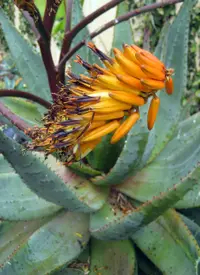
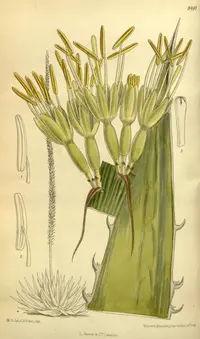
This species is monocarpic, meaning each rosette flowers only once at maturity, often after many years. Lack of bloom usually reflects youth, not a problem. Flowering also depends on strong light, heat, and general plant vigor.

Grow Healthy Plants with Botan Care

Keep your plants happy and healthy with plant identification, disease detection, and easy care guidance.

Botan plant care app — identify plants on mobile

Explore More Plants