Hoary Sandmat Care (Euphorbia lata)

Hoary Sandmat

About Hoary Sandmat

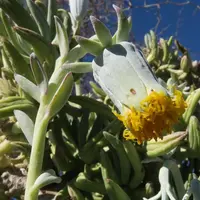
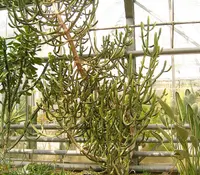
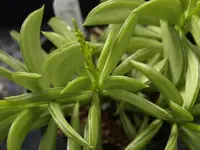
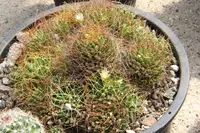
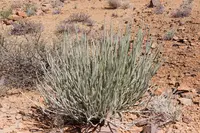
Hoary sandmat (Euphorbia lata) is a small, low-growing perennial in the spurge family, forming dense mats close to the ground. It typically has tiny gray-green leaves and fine stems that spread outward, giving a flat, carpeting look. Small, inconspicuous flowers appear at the stem tips.

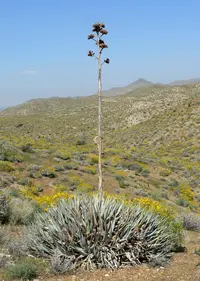
This species is native to dry, sandy or rocky habitats, often in open, sunny sites. Its drought tolerance and tough growth habit can make it relatively easy to maintain if given sharp drainage and plenty of light. Understanding how to care for Hoary Sandmat starts with mimicking these lean, well-drained conditions and avoiding consistently wet soil.

Main Plant Requirements

Care Difficulty

Easy Care

Light Preference

Full Sun

Water Requirements

Low Water

Temperature Preference

Warm Climate

Hardiness Zone

9–11

Soil Texture

Sandy, Loamy, Rocky

Soil pH

Slightly acidic (6.5–7.0), Neutral (7.0)

Soil Drainage

Well-drained

Fertilization

Minimal (feed rarely)

Get Personalized Care Plan

Scan your plant to receive care tips personalized for your specific plant

Available on iOS and Android

How to Care for the Hoary Sandmat

This sun-loving succulent thrives in bright, open conditions typical of dry habitats.

  • Provide 6–8 hours of direct sun daily; full sun is ideal in the ground, with morning sun and light afternoon shade in very hot regions.
  • Hoary Sandmat tolerates light partial shade, but stems become sparse and plants sprawl more if it receives under 4 hours of direct sun.
  • In summer heat, monitor for leaf scorch on reflective sites; in winter, ensure the planting spot is not heavily shaded by buildings or deciduous trees.

This drought-adapted species prefers infrequent, deep watering and fast-drying soil.

  • Allow soil to dry completely between waterings; in typical sandy ground, only water when the top 5–10 cm are bone dry and no darker, damp patches remain.
  • In hot, dry weather, deep-soak then let excess drain away; reduce or stop watering in cool seasons when Euphorbia lata is barely growing.
  • Watch for yellowing, mushy stems or a sour smell as signs of overwatering; extreme shriveling and brittle stems indicate prolonged drought stress.

This species is adapted to warm, arid conditions and dislikes prolonged cold or frost.

  • Best growth occurs around 70–90°F (21–32°C) where days are warm and nights slightly cooler, similar to many desert-edge climates.
  • It tolerates brief drops to about 30–32°F (-1–0°C) once established, but repeated frosts or freezing wet soil can cause root and stem damage.
  • In heat waves above 100°F (38°C), the plant usually copes if soil drains very quickly; avoid locations where heat combines with high humidity and poor airflow.

This species prefers dry to moderately dry air and rarely needs special humidity control.

  • Aim for 30–50% humidity, similar to most heated indoor homes in arid or temperate regions.
  • Dry indoor air is usually tolerated; issues arise more from overwatering than from low humidity.
  • Humidity stress appears as soft, waterlogged stems or fungal spotting, so increase air movement rather than misting Hoary Sandmat.

This species performs best in lean, fast-draining, mineral-based soil.

  • Use a sandy or gritty mix with coarse particles that keep the root zone airy and prevent waterlogging.
  • Combine 50–60% cactus mix with 40–50% coarse material such as pumice, perlite, or sharp sand for Euphorbia lata.
  • Keep pH slightly acidic to neutral, around 6.0–7.0, avoiding strongly acidic or alkaline substrates that limit nutrient uptake.
  • Avoid heavy clay, high-peat, or compacted mixes and break up any fine particles that might seal the surface after watering.

This species is suitable for container growing when given a stable, well-drained setup.

  • Choose a wide, shallow pot that matches the shallow, spreading root system and reduces wasted moist substrate depth.
  • Select unglazed terracotta if extra evaporation is needed, as it helps keep the mix drier between waterings.
  • Place the pot where it cannot tip easily, since a spreading mat can make the container lopsided over time.

This drought-adapted species, often called Hoary Sandmat, needs only modest feeding in cultivation.

  • Use a light application of balanced NPK fertilizer or a thin layer of compost in spring as growth begins.
  • Feed at most every 6–8 weeks during the active growing season if plants show pale or weak growth.
  • Dilute liquid fertilizer to 1/4–1/2 strength to avoid root burn in this nutrient-efficient plant.
  • Stop feeding in late summer, and avoid fertilizer during winter dormancy.

Pruning Euphorbia lata is mainly done to maintain a compact shape and remove damaged growth.

  • Carry out light pruning in late winter or early spring before vigorous growth starts.
  • Remove dead, damaged, or crossing stems to improve air flow and reduce disease risk.
  • Shorten overly long or leggy shoots to encourage denser, more compact growth.
  • Use clean, sharp scissors or pruners and avoid cutting into very thick, old woody bases.

This species is usually grown in the ground, but container-grown plants or young transplants need occasional attention to roots and soil.

  • Check for roots circling the pot drainage holes or very slow growth as signs a plant needs a larger container.
  • Plan transplanting or repotting for spring, when temperatures are mild and active root growth resumes.
  • In containers, move up just 1 pot size every 2–3 years, using a sharply draining sandy or gritty mix.
  • Handle the root ball gently, keep roots slightly dry rather than waterlogged, and shade newly moved plants for a few days to reduce stress.

Propagation of Euphorbia lata is practical for increasing plants in dry, sunny sites or collections.

  • Use stem cuttings in late spring or early summer, taking non-flowering shoots 5–8 cm long.
  • Allow cut ends to dry and callus for 1–2 days, then place in a gritty, well-drained mix.
  • Keep cuttings warm with bright, indirect light and barely moist soil to reduce rot risk.
  • Sow seeds in spring on the surface of a sandy mix, providing warmth and good light for steady germination.

This species is generally hardy in mild, dry climates and often needs only minimal winter attention.

  • In the ground, add a light, dry mulch around the root zone in late fall, keeping it off the stems.
  • Ensure soil drains freely, since cold, wet conditions increase root and stem rot risk.
  • Move container plants under cover or indoors before hard frosts, giving them a cool, bright, dry spot.
  • Avoid winter feeding and keep watering very light so the plant stays on the dry side while semi-dormant.

Care Tips

Handle Sap Safely

Wear disposable gloves and avoid touching your face when cutting or repotting, as the milky latex sap can irritate skin and eyes; rinse tools and any sap-splashed surfaces with soapy water after work.

Root-Zone Warmth

In cooler months, place the pot on a slightly raised trivet or mesh above the saucer so excess water drains away and the root zone stays warmer and drier, which reduces rot risk for this succulent species.

Compact Growth Control

Pinch back or lightly trim overly long stems in early active growth to maintain a dense, compact mat and encourage new side shoots rather than tall, straggling stems.

Targeted Pest Checks

Inspect stem joints and undersides of leaves every few weeks with a hand lens, focusing on mealybugs and spider mites, and isolate the plant immediately if pests are found to stop spread to other succulents.

Outdoor Transitioning

When moving the plant outdoors for summer, increase direct sun exposure gradually over 7–10 days to prevent sunscald, which is especially important when growing Hoary Sandmat in hotter regions.

Common Pests and Diseases

Spider mites

This pest appears in hot, dry conditions and feeds on sap from stems and small leaves, causing fine stippling and a dull, dusty look. Symptoms include thin webbing between stems and gradual yellowing or bronzing of foliage pads.

Solution

Rinse plants with a firm stream of water to dislodge mites, then increase ambient humidity slightly and reduce heat stress while keeping soil on the dry side. For persistent infestations, apply a horticultural oil or insecticidal soap to all above‑ground parts, repeating every 7–10 days while monitoring closely as part of Euphorbia lata care.

Mealybugs

These insects cluster in stem joints and along young growth, appearing as white, cottony masses and excreting sticky honeydew. Symptoms include stunted new growth, yellowing, and sooty mold developing on honeydew deposits.

Solution

Remove visible insects with a cotton swab dipped in isopropyl alcohol, then rinse the plant gently to clear residues. Isolate the plant, inspect weekly, and use insecticidal soap or a light horticultural oil on hidden crevices until new growth appears clean for several weeks.

Aphids

These insects congregate on tender new shoots and inflorescences, sucking sap and causing distortion, curling, and stickiness from honeydew. Symptoms include deformed new growth and the presence of ants attracted to the sugary secretions.

Solution

Spray the plant with a strong stream of water to knock off colonies, then treat soft tissue with insecticidal soap, making sure to cover undersides of shoots and flower stems. Repeat applications every few days until populations drop, and remove heavily infested growing tips if distortion is severe.

Powdery mildew

This disease appears as whitish, dusty patches on stems and any small leaves, especially in crowded, shaded, or humid conditions. Symptoms include slowed growth and a weakened, dull appearance of affected tissues.

Solution

Improve air circulation and light levels, spacing plants so stems dry quickly and avoiding overhead watering. Remove badly affected parts and, if needed, apply a sulfur or potassium bicarbonate fungicide labeled for ornamental succulents, treating only during cooler parts of the day to avoid leaf burn.

Stem canker

This disease causes sunken, dark lesions on the succulent stems, often starting where mechanical damage or cold injury occurred. Symptoms include localized black or brown patches that may spread along the stem and lead to collapse above the affected area.

Solution

Cut out infected stem sections back to firm, healthy tissue with a sterile blade, then allow wounds to dry and callus in a warm, bright, dry place. Discard severely affected plants, keep irrigation light and directed to the soil only, and avoid wounding stems to reduce future infections.

Interesting Facts

Hoary, hairy foliage

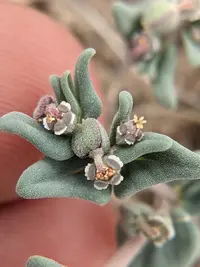
The leaves and stems of this species are covered in short, grayish hairs that give the whole plant a hoary, felted look and help reduce water loss in hot, dry habitats.

Sand‑specialist growth habit

This plant naturally grows in open, sandy or gravelly sites where many competitors cannot survive, forming low, spreading mats that stabilize the soil surface.

Latex chemical defense

Like other spurges, it produces a milky latex sap rich in defensive compounds that deter many herbivores and help seal wounds on the plant surface.

FAQs about Hoary Sandmat

This species forms low, mat-like patches but is not usually aggressive in managed gardens. It spreads gradually by seed and short stems. In very open, sandy sites it can self-seed more freely but remains small in stature.

Grow Healthy Plants with Botan Care

Keep your plants happy and healthy with plant identification, disease detection, and easy care guidance.

Botan plant care app — identify plants on mobile

Explore More Plants