Borzicactus sepium Care

Borzicactus sepium

About Borzicactus sepium

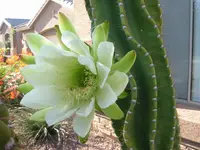
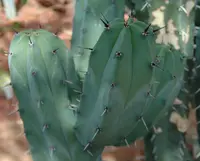
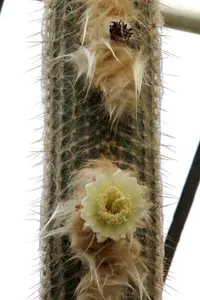
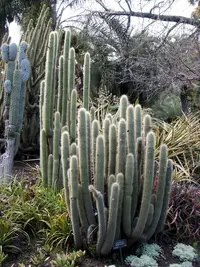
Borzicactus sepium is a columnar cactus known for its slender, upright stems lined with short spines and fine bristles. Mature plants can form dense clumps that create a living fence effect.

It is native to dry Andean regions of South America, where it grows in rocky, well-drained soils with bright sun and low rainfall. This background makes it generally drought-tolerant but sensitive to overwatering and poorly drained substrates.

Borzicactus sepium suits growers who can provide strong light, minimal watering, and gritty soil, so it is considered moderate in difficulty for beginners. Learning how to care for Borzicactus sepium mainly involves avoiding excess moisture and cold, especially in indoor or container culture.

Main Plant Requirements

Care Difficulty

Moderate Care

Light Preference

Full Sun

Water Requirements

Low Water

Temperature Preference

Tropical / Frost Sensitive

Hardiness Zone

10–12

Soil Texture

Sandy, Loamy, Rocky

Soil pH

Slightly acidic (6.5–7.0), Neutral (7.0)

Soil Drainage

Well-drained

Fertilization

Minimal (feed rarely)

Get Personalized Care Plan

Scan your plant to receive care tips personalized for your specific plant

Available on iOS and Android

How to Care for the Borzicactus sepium

This cactus thrives in bright, direct light but benefits from some protection during the hottest hours.

  • Provide 6–8 hours of sun daily, ideally with full morning sun and light afternoon shade, especially in hot, dry climates.
  • Young or newly moved Borzicactus sepium plants need gradual exposure; increase direct sun over 7–14 days to prevent sunburn and pale, corky patches.
  • In winter, maximize light by using the brightest outdoor spot or a south-facing window, as low light causes weak, stretched growth.

Watering should mimic brief desert rains followed by dry periods in the root zone.

  • Allow the top 3–5 cm of soil to dry fully before watering; in warm growing seasons this may mean watering every 7–21 days, depending on heat and wind.
  • Use sharply draining soil and sloped or raised planting spots so water runs off quickly and does not pool around the base of Borzicactus sepium.
  • Reduce watering markedly in cooler months; signs of excess water include yellowing, soft stems, and a sour smell, while deep wrinkling indicates it is time to water.

This species prefers warm, dry conditions and does poorly in prolonged cold or damp.

  • Aim for 70–85°F (21–29°C) during active growth, with drier air and good airflow to reduce fungal problems.
  • Protect from frost; long exposure below 32°F (0°C) damages tissue, and growth slows noticeably under 50°F (10°C).
  • In hot spells above 95°F (35°C), provide light afternoon shade and avoid reflected heat from walls or pavement to prevent stem scorch.

This cactus handles typical indoor humidity well and rarely needs special humidity management.

  • Target 30–50% humidity, similar to most heated homes, without extra humidifiers.
  • Tolerates dry air, but persistent shriveling or limp, pale stems can signal combined dryness from low humidity and underwatering.
  • If air is extremely dry near heaters or vents, move the plant away or place it slightly closer to other plants to buffer moisture.

This species prefers a lean, fast-draining mineral mix that dries quickly between waterings.

  • Use a cactus mix amended with 30–50% extra coarse material such as pumice, perlite, or coarse sand to keep the substrate airy.
  • Aim for a gritty, crumbly texture that does not compact; avoid peat-heavy mixes that stay wet and exclude air from roots.
  • A slightly acidic to neutral pH around 6.0–7.0 suits Borzicactus sepium and supports nutrient uptake without encouraging rot organisms.
  • Improve drainage by using larger mineral particles (3–6 mm) and keeping organic components like compost or fine bark under 30% of the total mix.

This species is well-suited to container growing, especially in climates with cold winters.

  • Choose a pot heavy enough, such as thick terracotta or ceramic, to prevent tipping as tall columnar stems develop.
  • Select a container only 2–4 cm wider than the root ball to limit excess wet substrate around the roots.
  • Ensure multiple unobstructed drainage holes so water exits quickly, preventing soggy lower layers that promote root rot in a tall columnar cactus.

This cactus benefits from light feeding during its active growing season but is sensitive to excess nutrients.

  • Use a low-dose balanced cactus fertilizer or diluted balanced NPK liquid at 1/4–1/2 strength during spring–summer.
  • Feed Borzicactus sepium every 4–6 weeks only when soil is warm and the plant is actively growing.
  • Avoid organic compost-heavy mixes that stay wet, as they increase rot risk in the root zone.
  • Stop feeding in fall and winter to allow proper dormancy and prevent soft, weak growth.

This species needs minimal pruning, mainly to maintain health and a manageable shape.

  • Carry out pruning in late spring or early summer once active growth is visible.
  • Remove dead, shriveled, or mechanically damaged stems back to healthy tissue with sharp, clean pruning shears.
  • Thin out overcrowded or rubbing stems to improve light penetration and air movement within the plant.
  • Limit shaping cuts to small adjustments, since heavy pruning can reduce flowering and distort the natural columnar habit of Borzicactus sepium.

Container-grown plants appreciate infrequent but timely repotting to maintain root health and stability.

  • Check for roots circling the pot, emerging from drainage holes, or unexplained slow growth as cues for repotting.
  • Plan to repot every 3–4 years in late spring, moving only 1 pot size up into a fast-draining cactus mix.
  • Handle the plant with folded newspaper or thick gloves, and keep the root ball as intact as possible to limit stress.
  • After repotting Borzicactus sepium, keep soil barely moist and out of intense sun for 7–10 days to allow roots to recover.

This cactus is most commonly propagated from stem cuttings, with seeds used less often by home growers.

  • Take firm, pencil-thick stem cuttings in late spring or early summer, using a sterile, sharp knife.
  • Allow cut surfaces to callus in a dry, shaded place for 7–10 days before planting.
  • Insert cuttings into a gritty, sterile cactus mix and keep at 70–80°F with bright, indirect light.
  • Sow seeds of Borzicactus sepium on the surface of lightly moist cactus mix, providing warmth, gentle airflow, and bright shade for steady germination.

This cactus is frost sensitive and needs cool, very dry winter conditions to stay healthy and flower well.

  • In regions below 30°F, grow Borzicactus sepium in containers so plants can be moved indoors for winter.
  • Maintain winter temperatures around 45–55°F with plenty of light and good air circulation.
  • Keep soil almost completely dry, watering only enough to prevent severe shriveling of stems.
  • Use a very loose, mineral-rich mix so cold, damp soil does not linger around the roots.

Care Tips

Encourage Upright Stems

Rotate the pot a quarter turn every 1–2 weeks so new growth stays upright and does not lean permanently toward the strongest light source.

Support Heavy Columns

As stems elongate and become top-heavy, insert discreet bamboo canes and secure stems with soft ties to prevent breakage at the base.

Dry-Season Pest Checks

Inspect the ribbed stems and areoles closely during the driest indoor months, since spider mites and mealybugs often establish in those crevices before spreading.

Root Health Monitoring

Lift the pot gently every month or two and note its weight; a sudden, persistent increase in weight despite infrequent watering can indicate poor drainage or early root rot when growing Borzicactus sepium.

Safe Outdoor Transition

If moving the plant outdoors for summer, first place it in bright shade for 5–7 days, then gradually introduce more direct sun to avoid stem scorching and abrupt stress.

Common Pests and Diseases

Spider mites

This pest thrives on thin, ribbed stems in dry, warm indoor air and can cause pale stippling, dull patches, and fine webbing along the columns of the cactus. Symptoms include slowed growth and a dusty appearance on the stems.

Solution

Rinse stems thoroughly with a firm stream of lukewarm water, then wipe accessible areas with a soft cloth or brush. If needed, apply a targeted miticide or insecticidal soap labeled for cacti, repeat at 7–10 day intervals, and increase relative humidity slightly while maintaining strong air movement and bright light.

Mealybugs

These insects hide in stem ribs, woolly areoles, and branch junctions, where they appear as white cottony clusters and excrete sticky honeydew. Symptoms include localized yellowing, distorted new growth, and occasional sooty mold developing on the honeydew.

Solution

Isolate the plant, then dab visible mealybugs with cotton swabs dipped in 70% isopropyl alcohol, repeating weekly until no new insects appear. For heavier infestations, use an insecticidal soap or systemic insecticide suitable for succulents and inspect nearby cacti regularly, as these pests often spread between clustered plants when growing Borzicactus sepium.

Scale insects

These insects form small, hard, brown or gray bumps tightly attached to the stem surface, often lining ribs or sheltered spots. This pest feeds on sap, leading to gradual yellowing, reduced vigor, and sticky residue on or beneath the plant.

Solution

Gently scrape or pry off individual scales with a fingernail or soft brush, taking care not to damage the skin. Follow with an application of horticultural oil or insecticidal soap, ensuring full stem coverage, and repeat every 7–14 days until new growth remains clean.

Basal stem rot

This disease usually starts at the base of the column where excess moisture and poor drainage keep the potting mix wet, causing soft, discolored tissue. Symptoms include a mushy, darkened base, plant leaning or collapsing, and sometimes a foul odor.

Solution

Immediately unpot and inspect the root and basal area, cutting away all soft or discolored tissue with a sterile knife until only firm, healthy tissue remains. Allow the cut surface to dry and callus for several days, then replant in a fresh, fast-draining cactus mix in a pot with large drainage holes and adopt a watering schedule that lets the mix dry out thoroughly between waterings.

Fungal stem spots

This disease is favored by prolonged surface moisture or overhead watering and appears as small, sunken, brown to black spots on the stems that may slowly expand. Symptoms include roughened scar tissue and, in severe cases, coalescing lesions that disfigure the column.

Solution

Improve airflow, avoid wetting the stems, and water only at the soil level during the morning so surfaces dry quickly. Remove severely affected sections with sterile tools if practical, dust fresh cuts with a dry sulfur or copper-based fungicide if available, and keep the plant in bright, dry conditions to limit further spread.

Interesting Facts

Andean hedgerow cactus

This species is traditionally used as a living fence in parts of Ecuador and northern Peru, where dense, spiny stems are planted in lines to mark property boundaries and keep livestock out of fields.

Columnar growth habit

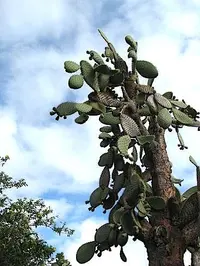
In habitat it forms upright, ribbed columns that can reach several meters in height, creating tall, narrow clumps rather than low pads or spherical stems typical of many other cacti.

Night-pollinated flowers

The tubular flowers open mainly from late afternoon into the night and are adapted for pollination by nocturnal visitors, which is why the species is often placed among the so‑called cleistocactus‑type columnar cacti in older literature.

FAQs about Borzicactus sepium

Growth is moderate for a cactus. Young plants may add 5–15 cm per year in ideal conditions, slowing as stems lengthen. Limited root room, cool temperatures, or low light can noticeably reduce extension growth.

Grow Healthy Plants with Botan Care

Keep your plants happy and healthy with plant identification, disease detection, and easy care guidance.

Botan plant care app — identify plants on mobile

Explore More Plants