Pilosocereus catingicola Care

Pilosocereus catingicola

About Pilosocereus catingicola

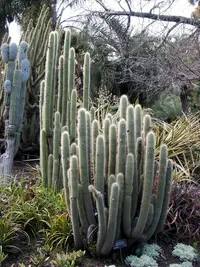
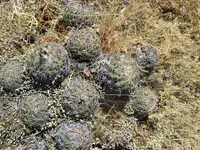
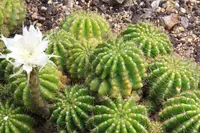
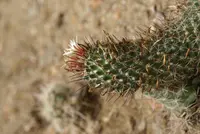
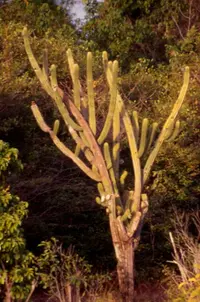
Pilosocereus catingicola is a columnar cactus from arid and rocky regions of Brazil, where it grows in full sun and well-drained soils. It forms tall, upright stems with blue-green skin, pronounced ribs, and woolly areoles that give it a subtly fuzzy look.

In cultivation it is slow to moderate in growth and stays slimmer than many large cacti, which suits containers and indoor displays with strong light. Spines are present but usually not excessively dense, so handling is manageable with care. Its drought tolerance and low nutrient needs make it relatively straightforward to care for Pilosocereus catingicola if overwatering is avoided.

This species prefers bright light, infrequent but deep watering, and a gritty, fast-draining mineral-rich substrate.

Main Plant Requirements

Care Difficulty

Easy Care

Light Preference

Full Sun

Water Requirements

Low Water

Temperature Preference

Tropical / Frost Sensitive

Hardiness Zone

10–12

Soil Texture

Sandy, Loamy, Rocky

Soil pH

Slightly acidic (6.5–7.0), Neutral (7.0)

Soil Drainage

Well-drained

Fertilization

Minimal (feed rarely)

Get Personalized Care Plan

Scan your plant to receive care tips personalized for your specific plant

Available on iOS and Android

How to Care for the Pilosocereus catingicola

This cactus prefers strong light with some protection from the harshest midday sun.

  • Provide 6–8 hours of direct sun daily, ideally morning and late-afternoon sun with light midday shade in hot, dry climates.
  • In very intense sun, use 30–40% shade cloth or plant near a bright, lightly filtered area to reduce scorching of the ribs and epidermis.
  • If stems stretch, lean, or lose blue coloration, light is insufficient; gradually increase exposure over 7–10 days to prevent sunburn.

Watering should be infrequent and guided by soil dryness rather than a fixed schedule.

  • Allow the top 5–8 cm of soil to dry completely before watering, then soak thoroughly so water drains quickly from the root zone.
  • In spring–summer growth, expect deeper watering every 10–21 days in fast-draining, gritty soil; in fall–winter, reduce to very light, occasional sips or keep almost dry.
  • Watch for overwatering signs like yellowing, soft or mushy stems, and a sour smell; wrinkling and slight stem shrinkage indicate it is time to water Pilosocereus catingicola.

This species thrives in warm, dry conditions and is sensitive to prolonged cold and frost.

  • Aim for active growth temperatures of 70–90°F (21–32°C), with good airflow to prevent heat buildup around the stems.
  • Protect from cold below 50°F (10°C) and avoid exposing it to temperatures under 40°F (4°C), where tissue damage and root stress become likely.
  • Never leave the plant in frost; brief drops near 32°F (0°C) can scar or kill young tissue, especially if soil is wet or humidity is high.

This cactus handles typical indoor humidity well and rarely needs special adjustments.

  • Ideal humidity is 30–50%, matching most heated or air-conditioned homes.
  • Tolerates much drier air, but shriveling ribs or limp new growth can indicate combined drought and heat stress, not low humidity alone.
  • Prioritize airflow over added moisture; only increase humidity slightly with a nearby water tray if air is extremely dry and plant is heat-stressed.

Pilosocereus catingicola needs a very fast-draining, mineral-heavy substrate that limits water retention around the roots.

  • Use a gritty cactus mix: 50–70% inorganic material such as pumice, coarse sand, or small gravel, with 30–50% coarse cactus potting base.
  • Aim for a loose, open texture where water runs through within seconds, preventing saturated zones around the root zone.
  • Maintain slightly acidic to neutral pH, roughly 6.0–7.0, by avoiding large amounts of peat or strongly alkaline amendments like excess lime.
  • Improve aeration by mixing in chunky materials and avoid dense, fine-textured soils that clump, hold water, or form a crust on the surface.

This species is well suited to container growing when the pot choice supports its tall, columnar habit.

  • Choose a pot that is deeper than it is wide to anchor the developing taproot and keep the plant stable as stems elongate.
  • Use a heavy, stable container material such as clay or ceramic to reduce tipping risk in windy or exposed outdoor locations.
  • Leave a small dry margin at the top of the potting mix so water can be poured slowly without flooding and loosening the root zone.

This cactus benefits from light feeding but stays healthy even with minimal fertilizer when grown in poor, very free-draining soil.

  • Use a diluted balanced liquid cactus fertilizer (around 10-10-10 or similar NPK) at 1/4–1/2 strength in spring and summer.
  • Feed every 4–6 weeks during active growth only, skipping applications if growth is weak or the soil stays cool.
  • Stop feeding Pilosocereus catingicola in fall and winter to avoid soft, frost-sensitive growth and root stress.
  • Avoid compost-rich or slow-release formulations that hold moisture, as these increase the risk of rot in containers.

This species needs very little pruning, mainly to maintain safety and plant health rather than aesthetics.

  • Carry out any pruning in late spring or early summer when growth is active and conditions are warm and dry.
  • Remove only dead, diseased, or mechanically damaged stems using clean, sharp pruning saws or long-handled loppers.
  • Trim small, crossing, or crowded side branches to keep a single strong columnar structure and stable form.
  • Allow large cut surfaces to dry and callus in a shaded, airy place if sections are removed, which reduces infection risk.

Container-grown plants appreciate infrequent but careful repotting to maintain drainage and root health.

  • Check for roots circling the pot, growing through drainage holes, or noticeable slowing of growth as signs Pilosocereus catingicola needs a larger container.
  • Repot every 3–5 years in late spring, using a heavy, stable pot and a very gritty cactus mix to anchor the tall stems.
  • Water lightly a few days before repotting so the root ball holds together, then lift the plant using thick gloves or folded newspaper for spine protection.
  • Minimize root disturbance, backfill gently, keep the plant dry for 7–10 days after potting, then reintroduce water gradually to limit transplant shock.

This cactus is most often propagated from stem cuttings, while seed is used mainly for larger-scale or breeding purposes.

  • Take 10–20 cm stem cuttings in late spring or early summer, selecting firm, unblemished sections from healthy plants.
  • Allow cut surfaces to dry and form a firm callus for 10–20 days in a warm, shaded place before planting.
  • Set the callused end into a coarse, dry cactus mix and keep at 70–80°F with bright, indirect light until roots develop.
  • For seed, sow on the surface of sterile, fine cactus mix, keep slightly moist, warm (around 75°F), and well lit to support slow germination.

This columnar cactus is frost-sensitive and needs careful winter management in most temperate climates.

  • Aim to keep temperatures above 40°F; short, light frosts may scar stems and prolonged freezes can kill tissue.
  • Grow in containers in cold regions and move plants indoors to a bright, cool, and very dry location for winter.
  • Reduce watering sharply in winter, allowing the mix to stay dry for extended periods to prevent cold-related root rot.
  • In mild climates, use coarse gravel mulch around the base to improve drainage and reduce cold, wet soil contact.

Care Tips

Encourage upright growth

As the column thickens, rotate the pot 90° every 2–3 weeks so light hits all sides evenly, which keeps the stem straight and reduces leaning or twisting.

Stabilize tall stems

Once the plant exceeds 30–40 cm, use a discreet bamboo stake and soft ties near the base to stabilize the column and prevent root disturbance from accidental knocks.

Improve stem airflow

Space the plant at least 10–15 cm away from walls or neighboring pots so air can circulate around the ribs, which helps the skin dry quickly after watering and reduces fungal spotting.

Salt and mineral management

If using tap water in a hard-water area, flush the pot with distilled or rainwater every 2–3 months to leach built-up salts that can cause corky patches on the lower stem.

Cool-season resting period

In late fall, move the plant to the brightest possible spot and keep it on the cool, dry side to support a defined winter rest, which improves flowering and overall vigor when growing Pilosocereus catingicola.

Common Pests and Diseases

Mealybugs

This pest hides in woolly white clusters along ribs, areoles, and between branching joints, sucking sap and weakening stems over time.

Solution

Isolate the plant, then dab visible insects with cotton swabs dipped in 70% isopropyl alcohol and repeat weekly until no new clusters appear; for heavier infestations, use a systemic insecticide labeled for cacti and maintain good airflow and bright light to discourage reinfestation as part of overall Pilosocereus catingicola care instructions.

Red spider mites

These insects are tiny sap-feeding mites that thrive on Pilosocereus in hot, dry conditions, causing a dull, grayish cast and fine webbing on the stems.

Solution

Shower the cactus with a firm stream of lukewarm water to remove mites and webbing, then increase humidity slightly and improve air movement; if symptoms persist, apply a targeted miticide or insecticidal soap, ensuring full coverage of rib grooves and around areoles.

Scale insects

This pest appears as small, hard, tan to brown bumps along ribs and near areoles, where it feeds on plant sap and excretes honeydew that may lead to sooty mold.

Solution

Gently scrape or rub off scales with a soft brush or cloth moistened with diluted alcohol, then follow up with repeated applications of horticultural oil or a systemic insecticide, monitoring stem surfaces closely for several weeks for any new bumps.

Fungal stem rot

This disease often follows mechanical damage or overwatering and appears as sunken, dark, or yellow-brown patches that may become soft and spread along the columnar stem.

Solution

Cut out affected tissue with a sterile, sharp knife back to firm, healthy flesh, allow the wound to dry and callus in a warm, airy spot, then adjust watering and substrate to a very fast-draining mineral mix while keeping the plant in strong light to reduce further fungal pressure.

Bacterial soft rot

Symptoms include rapidly softening, water-soaked areas on the stem that develop a foul odor and can quickly collapse sections of the cactus in warm, humid conditions.

Solution

Immediately remove and discard all mushy tissue, sterilizing tools between cuts, and if rot reaches the base, take healthy tip cuttings to re-root in clean, dry, gritty substrate; improve ventilation, avoid overhead watering, and keep moisture away from existing wounds to prevent recurrence.

Interesting Facts

Distinct coastal subspecies

The subspecies Pilosocereus catingicola subsp. salvadorensis is naturally restricted to coastal sandbank vegetation (restinga) in northeastern Brazil, reflecting adaptation to salty winds and sandy, nutrient-poor soils.

Hairy rib edges

Along the ribs this species develops conspicuous tufts of white woolly hairs associated with its areoles, which help shade the epidermis and provide limited protection against intense tropical sunlight.

Narrow endemic range

This cactus is native to dry habitats of northeastern Brazil, especially caatinga and coastal zones, and does not occur naturally outside this region, making habitat conservation important for long-term Pilosocereus catingicola care.

FAQs about Pilosocereus catingicola

Growth is moderate for a columnar cactus. In warm, bright, frost-free climates it may add 5–15 cm per year, sometimes more outdoors. In containers with limited root space and cooler conditions, growth is usually slower.

Grow Healthy Plants with Botan Care

Keep your plants happy and healthy with plant identification, disease detection, and easy care guidance.

Botan plant care app — identify plants on mobile

Explore More Plants