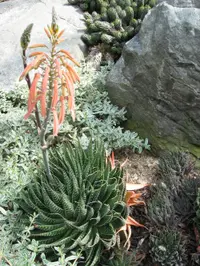
neverdie Care (Kalanchoe integra)

neverdie

About neverdie

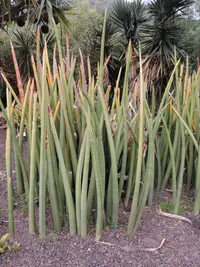
Neverdie, Kalanchoe integra, is a compact succulent shrub known for its thick, fleshy leaves and drought-tolerant nature. It stores water in its tissues, which supports survival in dry conditions.

This species occurs naturally in parts of East Africa, often on rocky, well-drained slopes. Its upright stems and durable foliage give it a structural, architectural look in containers and dry gardens.

The plant is generally considered easy to keep, as long as excess moisture is avoided and light is bright. For those learning how to care for neverdie, good drainage and strong light are the main priorities.

Main Plant Requirements

Care Difficulty

Easy Care

Light Preference

Partial Sun

Water Requirements

Low Water

Temperature Preference

Tropical / Frost Sensitive

Hardiness Zone

10–12

Soil Texture

Sandy, Loamy, Rocky

Soil pH

Slightly acidic (6.5–7.0), Neutral (7.0)

Soil Drainage

Well-drained

Fertilization

Minimal (feed rarely)

Get Personalized Care Plan

Scan your plant to receive care tips personalized for your specific plant

Available on iOS and Android

How to Care for the neverdie

Kalanchoe integra prefers bright, indirect light with some direct sun while avoiding harsh midday exposure.

  • Provide 4–6 hours of morning sun or late-afternoon sun, plus bright indirect light for the rest of the day, especially in spring and summer.
  • Tolerates light partial shade, but growth becomes sparse and flowering reduced if grown in less than 3–4 hours of bright light.
  • Protect neverdie from strong midday sun, which can cause leaf scorch; in winter, move it to the brightest spot available to compensate for shorter days.

This succulent stores water in its leaves, so the goal is deep but infrequent watering in fast-draining soil.

  • Water only when the top 3–5 cm of soil feel completely dry; in warm growing seasons this may be every 7–14 days depending on climate and soil.
  • In cooler months or low light, reduce watering frequency, allowing the root zone to dry more thoroughly to prevent rot in Kalanchoe integra.
  • Yellowing, soft leaves and a sour smell in the soil indicate overwatering, while wrinkled, limp leaves signal it has stayed dry too long.

This species prefers warm, frost-free conditions and reacts poorly to temperature extremes.

  • Aim for 65–80°F (18–27°C) during active growth, which supports steady foliage development and flowering.
  • Keep above 50°F (10°C); brief dips to 40–45°F (4–7°C) may be survived but can slow growth and damage leaves.
  • Protect from frost and cold drafts, and in hot spells above 90°F (32°C), give light shade and good airflow to avoid heat stress and leaf scorch.

Kalanchoe integra handles typical indoor humidity well, so moisture in the air is rarely a limiting factor.

  • Target 30–50% RH, which suits its succulent leaves and helps prevent fungal issues.
  • This neverdie tolerates very dry air, but combine it with bright light and careful watering to avoid leaf shriveling.
  • If leaf edges wrinkle or tips brown while soil is dry, improve humidity slightly with a nearby tray of water and pebbles.

Kalanchoe integra prefers a mineral, sharply draining mix that mimics rocky, low-organic habitats.

  • Use a cactus/succulent mix based on sandy or gritty particles, not peat-heavy potting soil.
  • Improve drainage and aeration by blending roughly 50–70% cactus mix with 30–50% pumice, perlite, or coarse horticultural sand.
  • Aim for slightly acidic to neutral pH around 6.0–7.0, avoiding strongly acidic or lime-enriched substrates.
  • Avoid dense, water-retentive mixes, and discard any soil that compacts into a solid mass after watering.

This species is well suited to container growing when the pot is chosen to control moisture and support its shallow roots.

  • Select a wide, relatively shallow pot so roots spread laterally while the mix dries evenly between waterings.
  • Choose unglazed terracotta if extra moisture loss is needed, or glazed/clay composite to slow drying in very arid homes.
  • Ensure large, unobstructed drainage holes and elevate the pot slightly so excess water exits quickly instead of pooling under the base.

This succulent needs light feeding, as overly rich soil can cause soft, weak growth in Kalanchoe integra.

  • Use a balanced liquid fertilizer (around 10-10-10 or 20-20-20) diluted to 1/4–1/2 strength for neverdie indoor care.
  • Feed every 4–6 weeks in spring and summer when growth is active.
  • Avoid fertilizing in late fall and winter, or limit to once at very weak strength.
  • Never apply fertilizer to completely dry soil; water first, then feed to reduce root burn risk.

Thoughtful pruning helps Kalanchoe integra stay compact, branched, and healthy.

  • Lightly trim in late winter or early spring before strong new growth starts.
  • Use clean, sharp scissors or small pruners to remove dead, damaged, or leggy stems back to a healthy node.
  • Pinch soft tips to encourage branching and a fuller shape.
  • Cut spent flower stalks down to the base to redirect energy to new growth.

This species prefers slightly snug pots and only needs repotting when clearly rootbound.

  • Check for roots circling the pot, pushing through drainage holes, or slowed growth as signs it needs a larger container.
  • Repot every 2–3 years in spring, moving to a pot only 2–3 cm wider with fresh, free-draining succulent mix.
  • Water lightly 1–2 days before repotting to ease root removal and reduce breakage.
  • After repotting, keep in bright, indirect light and water sparingly for 7–10 days to limit transplant shock.

Kalanchoe integra is commonly propagated from stem cuttings under warm, bright conditions.

  • Take 5–10 cm non-flowering stem cuttings in late spring or early summer.
  • Allow cut ends to dry and callus for 1–2 days to reduce rot risk.
  • Insert cuttings into a gritty, barely moist succulent mix and keep at 70–80°F in bright, indirect light.
  • Avoid heavy watering until roots form, then gradually increase watering and light.

This succulent is frost-sensitive and needs protection in regions with cold winters.

  • Maintain indoor temperatures around 60–75°F and avoid cold drafts near windows or doors.
  • Move container plants indoors before night temperatures fall below 45°F.
  • Use a well-drained potting mix and reduce watering so the soil dries more between waterings.
  • In mild climates, outdoor plants benefit from a light, dry mulch to insulate the root zone.

Care Tips

Controlled offset removal

Use a clean, sharp blade to remove basal offsets once they reach 3–5 cm, then let the cut surfaces dry for 2–3 days before replanting to limit rot and maintain a compact, well-shaped mother plant.

Sun-hardened branching

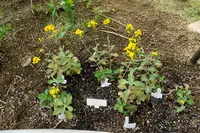
After repotting or pruning, gradually increase light over 7–10 days; this slow hardening encourages sturdy, branched growth and reduces the chance of sunscald on previously shaded leaves.

Targeted magnesium support

If older leaves show interveinal yellowing while veins stay green, apply a light Epsom salt solution (about 0.5 tsp per 1 qt water) to the soil once, which often corrects mild magnesium deficiency in this succulent without overfertilizing.

Dry-season pest check

Inspect leaf undersides and stem joints every 2–3 weeks during dry indoor heating seasons, since the thicker foliage can conceal early mealybug or scale infestations that are easier to manage when detected small.

Bloom-rest cycle

After a flowering flush, remove spent flower stalks and give the plant a slightly drier, brighter 4–6 week rest period, which helps reset its energy reserves and supports more reliable reblooming when caring for neverdie.

Common Pests and Diseases

Mealybugs

This pest often hides in leaf joints and along stems, appearing as small white cottony clusters that feed on plant sap and cause stunted growth or distorted new leaves.

Solution

Isolate the plant, then dab visible insects with cotton swabs dipped in 70% isopropyl alcohol and wipe down affected areas; repeat weekly. For heavier infestations, use a ready-to-use insecticidal soap or neem oil spray, ensuring full coverage of leaf undersides and stems, and reduce excess nitrogen fertilization that encourages soft, vulnerable growth.

Soft scale

These insects appear as small, tan to brown, dome-shaped bumps on stems and leaf undersides, producing sticky honeydew that can attract sooty mold on Kalanchoe integra plant care surfaces.

Solution

Gently scrape or wipe off individual scale with a fingernail or cotton swab, then spray stems and leaf undersides with horticultural oil or neem oil, following the label for indoor succulents. Improve light and airflow, and inspect regularly over several weeks to remove newly hatched crawlers before they settle and form protective shells.

Powdery mildew

This disease shows as white, powdery patches on leaf surfaces, sometimes causing yellowing, leaf curling, or premature leaf drop under cool, humid, low-light conditions.

Solution

Remove heavily affected leaves, increase light and airflow around the plant, and avoid wetting the foliage when watering. Treat remaining foliage with a sulfur-based fungicide or a potassium bicarbonate product labeled for ornamentals, applying in thin, even coats and repeating as directed until new growth appears clean.

Leaf spot

Symptoms include small, water-soaked or brown spots on leaves that may enlarge, merge, and cause partial leaf yellowing, especially when foliage remains damp and airflow is poor.

Solution

Prune and discard affected leaves, then allow the potting mix surface and foliage to dry between waterings and avoid overhead watering. If spotting continues to spread, apply a copper-based fungicide labeled for ornamental succulents, and space plants so air can move freely around them.

Aphids

These insects cluster on tender shoot tips and flower stalks, sucking sap and causing distorted new growth while leaving sticky honeydew that can support black sooty mold on surfaces.

Solution

Rinse the plant under a gentle stream of lukewarm water to dislodge colonies, protecting the soil with a plastic cover if needed. Follow up with insecticidal soap or neem oil on all soft green tissue every 5–7 days until no new aphids appear, and avoid overfertilizing, which promotes lush, attractive growth for aphids.

Interesting Facts

Cliff-face specialist

This species naturally grows on rocky outcrops and cliff faces in parts of East Africa, rooting in shallow crevices where many other succulents cannot persist.

Miniature leaf plantlets

Like several other Kalanchoe species, it produces small plantlets along the leaf margins that can drop off, root, and establish new individuals, giving it a strong vegetative spread in suitable habitats.

Woody succulent shrub

Unlike many compact ornamental kalanchoes, it can develop a distinctly woody, branching framework with thick, water-storing stems adapted to long dry periods in its native range.

FAQs about neverdie

Lack of flowering usually comes from insufficient light, no dry rest period, or excess nitrogen fertilizer. Provide bright conditions, allow slightly cooler, drier conditions for several weeks, and avoid heavy feeding to encourage bud formation and regular blooms.

Grow Healthy Plants with Botan Care

Keep your plants happy and healthy with plant identification, disease detection, and easy care guidance.

Botan plant care app — identify plants on mobile

Explore More Plants