Pale Spikemoss Care (Selaginella pallescens)

Pale Spikemoss

About Pale Spikemoss

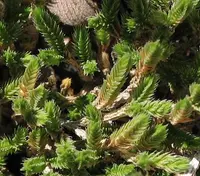
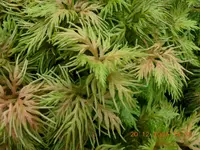
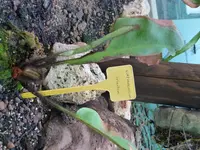
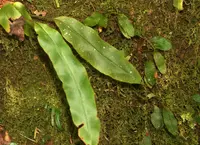
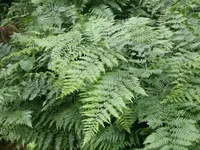
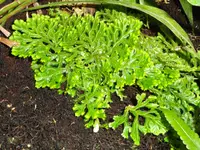
Pale spikemoss, Selaginella pallescens, is a small, primitive vascular plant related to clubmosses rather than true mosses. It forms low, intricate mats of finely divided, fern-like foliage. The foliage often appears soft and lacy, with a pale to medium green color that can brighten shaded areas. Stems spread along the surface and root as they go, creating dense groundcover in suitable conditions.

This species is native to tropical and subtropical regions of the Americas, where it grows in humid, shaded forest habitats. It can be somewhat demanding indoors because it dislikes drying out and prefers stable moisture and high humidity. Anyone wanting to care for Pale Spikemoss should provide soft light, constant moisture, and a loose, well-drained substrate rich in organic matter.

Main Plant Requirements

Care Difficulty

Hard Care

Light Preference

Partial Shade

Water Requirements

Keep Soil Moist

Temperature Preference

Tropical / Frost Sensitive

Hardiness Zone

10–12

Soil Texture

Loamy, Peaty, Organic-rich

Soil pH

Strongly acidic (4.5–5.5), Acidic (5.5–6.5)

Soil Drainage

Moist but well-drained

Fertilization

Light (every 4–6 weeks)

Get Personalized Care Plan

Scan your plant to receive care tips personalized for your specific plant

Available on iOS and Android

How to Care for the Pale Spikemoss

This woodland Selaginella prefers soft, indirect light that mimics a shaded forest floor.

  • Provide bright, filtered light or open shade, such as dappled light under taller plants, for 4–6 hours per day while avoiding direct midday sun.
  • Allow only gentle early-morning or late-afternoon sun; harsh midday exposure can scorch Pale Spikemoss, causing pale patches and crisped tips.
  • In summer, shift plants to deeper shade if fronds yellow or curl; in winter, move slightly closer to a bright window or brighter shade outdoors to compensate for shorter days.

This moisture-loving species needs consistently damp conditions without standing water.

  • Keep soil evenly moist, not soggy; water when the top 1–2 cm feels just barely starting to dry, never allowing a full dry-out.
  • Use loose, well-drained, humus-rich soil; prolonged puddling, sour smell, or limp, darkening stems indicate overwatering and poor aeration.
  • Increase watering frequency during warm, active growth and reduce slightly in cooler months, watching for curling, crisping fronds as a sign of underwatering in Selaginella pallescens.

This spikemoss thrives in mild, stable temperatures with protection from frost and extreme heat.

  • Aim for 65–80°F (18–27°C) for best growth; short dips are tolerated but prolonged exposure below 55°F (13°C) slows growth and stresses the plant.
  • Protect from frost, as tissue is easily damaged near 32°F (0°C); in cold climates, provide shelter or grow Selaginella pallescens where winter temperatures stay above freezing.
  • In hot spells above 85°F (29°C), increase shade and humidity, and avoid hot, reflective surfaces that can overheat foliage and dry out the shallow root zone.

This species requires constantly high humidity to keep foliage hydrated and prevent frond dieback.

  • Aim for 70–90% humidity; dry indoor air below 50% quickly causes browning tips and crispy edges.
  • Use a pebble tray, room humidifier, or enclosed terrarium to maintain stable moisture around Pale Spikemoss.
  • Increase ventilation slightly if fronds look greyish or mold appears, as stagnant, wet air can also stress the plant.

Selaginella pallescens prefers a loose, moisture-retentive but airy substrate that never becomes compacted or waterlogged.

  • Use a mix of 40% fine orchid bark, 30% peat or coco coir, and 30% perlite to balance moisture retention and aeration.
  • Aim for slightly acidic to neutral pH around 5.5–6.8, avoiding strongly alkaline mixes that reduce nutrient availability.
  • Ensure the mix feels springy and fibrous, not dense; clumping or sticking together indicates poor structure and low air space.
  • Avoid heavy garden soil and fine sand-only mixes, which either suffocate roots or drain too quickly and leave stems desiccated.

This species grows well in containers when root moisture and spread are carefully managed.

  • Choose a wide, shallow pot that lets stems creep across the surface while keeping the root zone evenly moist near the top layer.
  • Select plastic or glazed ceramic over unglazed clay if faster drying has been a problem, as less porous walls slow water loss.
  • Place the container inside a wider cachepot or tray to trap local humidity while still allowing quick drainage from the inner pot.

This species grows on low nutrients but responds to light feeding in active growth.

  • Use a balanced liquid fertilizer (around 10-10-10 or 20-20-20) diluted to 1/4–1/2 strength for Pale Spikemoss.
  • Apply every 4–6 weeks during spring and summer when growth is active.
  • Skip or greatly reduce feeding in fall and winter, especially in low light.
  • Avoid compost or strong slow-release pellets that can burn fine roots; flush the substrate with plain water occasionally.

Selaginella pallescens needs only light pruning to stay dense and healthy.

  • Trim in spring or early summer, when growth is strongest and recovery is fastest.
  • Snip off dead, browned, or damaged fronds with small, sharp scissors or snips.
  • Lightly shorten overlong stems to maintain a compact, cushion-like shape.
  • Remove a few crowded tips at a time to improve air movement without exposing bare patches.

This plant has a fine, shallow root system and prefers gentle, infrequent disturbance.

  • Repot every 1–2 years in spring if roots circle the pot, growth slows, or the soil stays soggy or dries too fast.
  • Choose a wide, shallow container with ample drainage and a moisture-retentive, fine-textured mix.
  • Lift the clump carefully, loosen only the outer roots, and keep the root ball as intact as possible.
  • Water thoroughly after shifting to the new pot, then keep humidity high and light moderate for 1–2 weeks to limit transplant stress.

Propagation is commonly done by division and short stem cuttings taken from healthy mats.

  • Divide dense clumps in spring, keeping each section with rooted stems and attached soil.
  • For cuttings, take 5–7 cm tips, lay them on moist, fine-textured mix, and lightly press so nodes touch the surface.
  • Maintain high humidity (cover with a vented dome or bag) and bright, indirect light until new growth appears.
  • Keep temperatures around 68–75°F and the substrate evenly moist, never waterlogged, to support rooting.

In many regions this species is treated as a tender plant and benefits from extra winter protection.

  • It is frost-sensitive; even light freezes can damage foliage and stems.
  • Move container plants indoors before nights drop near 40°F, into bright, indirect light and high humidity.
  • Outdoors in mild climates, apply a light mulch around the root zone to buffer temperature swings.
  • Reduce watering in winter but do not allow the soil to dry out completely, especially indoors.

Care Tips

Horizontal planting

Plant stems slightly fanned out and close to the substrate surface rather than upright to encourage dense, mat-forming growth and faster coverage of the pot or terrarium floor.

Edge moisture buffer

Line the inner rim of the pot or terrarium with a 1–2 cm band of long-fiber sphagnum moss to reduce edge drying, which helps prevent brown, crisp margins on the outer growth.

Capillary watering setup

Use a capillary mat or a wick from the pot into a water reservoir so the substrate stays evenly moist without frequent surface watering that can compact the growing medium.

Divide in active growth

If the clump becomes crowded, divide it only during active growth, then trim any damaged roots and immediately replant divisions into pre-moistened substrate to minimize transplant stress.

Shaded companion planting

In terrariums or mixed containers, place it under slightly taller, non-aggressive plants that provide light shade and wind protection, which stabilizes humidity and protects delicate new fronds when caring for Pale Spikemoss.

Common Pests and Diseases

Spider mites

This pest thrives on Selaginella foliage in warm, dry indoor air and can cause fine webbing and dull, gray-green fronds. Symptoms include tiny stippling on leaves, slowed growth, and fronds that dry at the tips.

Solution

Rinse foliage thoroughly with lukewarm water, focusing on leaf undersides, then maintain higher humidity (60–80%) to discourage reinfestation. For heavier outbreaks, repeat washing every few days and use an insecticidal soap or horticultural oil labeled for indoor use, keeping the plant out of direct sun until dry.

Fungus gnats

These insects are common in the consistently moist substrates that Selaginella requires and their larvae feed in the upper potting layer. Symptoms include tiny black flies around the pot and slow, weakened growth in very wet mixes.

Solution

Allow only the top 0.5–1 cm of the mix to dry slightly between waterings while keeping the root zone evenly moist, and improve drainage by using a fine but airy, peat- or coir-based mix. Use yellow sticky traps to reduce adults and, if needed, apply a biological control such as Bacillus thuringiensis israelensis (BTI) as a soil drench according to label directions.

Botrytis blight

This disease appears in overly humid, stagnant air and on fronds that stay wet for long periods, leading to water-soaked spots and gray fuzzy mold. Symptoms include soft, collapsing stems and fronds, especially in dense clumps or terrariums with poor airflow.

Solution

Remove and discard all affected fronds and any dead plant material from the soil surface, then increase air circulation while keeping humidity high but not stagnant. Avoid overhead watering, water at the soil line in the morning, and in severe cases apply a fungicide labeled for Botrytis on ornamentals, following instructions carefully.

Rhizoctonia stem rot

This disease affects Selaginella in constantly saturated substrates, causing brown lesions at stem bases and sudden collapse of patches of foliage. Symptoms include thin, weak mats of growth and sections that yellow, then turn brown and detach easily at the soil line.

Solution

Trim out and discard affected stems, then repot into fresh, fine-textured but well-drained mix and a pot with reliable drainage. Maintain evenly moist, not waterlogged, conditions by using small, frequent waterings and avoid letting water sit in saucers under the pot.

Scale insects

These insects attach along stems and at branch junctions, feeding on sap and causing yellowing, stunted fronds, and sticky honeydew that may attract sooty mold. This pest often appears as small, tan or brown bumps that do not move when disturbed.

Solution

Gently wipe or pick visible scale from stems with a cotton swab moistened with diluted alcohol, taking care not to crush delicate fronds. Follow with several treatments of insecticidal soap or light horticultural oil at 7–10 day intervals, and keep the plant slightly isolated until no new scale appears, which supports responsible Selaginella pallescens care.

Interesting Facts

Moisture-loving ground cover

This species often forms dense, carpet-like mats on shaded, constantly moist forest floors and rock faces in tropical and subtropical America, where its shallow roots and creeping stems help stabilize leaf litter and thin soil.

Dimorphic leafy shoots

It produces two distinct leaf sizes arranged in flattened, fern-like sprays, a characteristic leaf dimorphism that helps maximize light capture in low-light understory habitats.

Ancient spore reproduction

Instead of flowers and seeds, this lycophyte reproduces via spores produced in small cone-like structures (strobili) at shoot tips, reflecting an ancient reproductive strategy shared with some of the earliest vascular land plants.

FAQs about Pale Spikemoss

Brown, crispy tips usually come from low humidity, missed waterings, or excess fertilizer salts. Check that the substrate never fully dries, increase ambient humidity, and flush the pot occasionally to remove built‑up minerals.

Grow Healthy Plants with Botan Care

Keep your plants happy and healthy with plant identification, disease detection, and easy care guidance.

Botan plant care app — identify plants on mobile

Explore More Plants