Epiphytic mounting
Mount the fern on cork bark or tree fern fiber with long-fiber sphagnum around the roots to mimic its natural epiphytic habit and improve aeration around the rhizome.

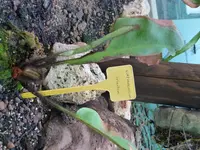
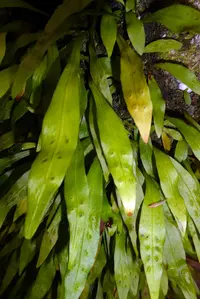
West Indian tonguefern (Elaphoglossum crinitum) is an epiphytic fern, usually growing on tree trunks or rocks in humid tropical forests. It forms simple, tongue-shaped fronds that can develop soft, hair-like scales, giving the plant a slightly shaggy look.
This species is native to the Caribbean and parts of tropical America, where it thrives in consistently moist, shaded habitats with high air humidity. In cultivation, it can be moderately challenging, as it reacts poorly to drying out, low humidity, and harsh light.
Those who care for West Indian tonguefern should aim to provide stable moisture, soft filtered light, and an airy, organic growing medium that mimics its natural forest environment.

Care Difficulty
Hard Care

Light Preference
Shade

Water Requirements
Keep Soil Moist

Temperature Preference
Tropical / Frost Sensitive

Hardiness Zone
11–12

Soil Texture
Loamy, Peaty, Organic-rich

Soil pH
Strongly acidic (4.5–5.5), Acidic (5.5–6.5)

Soil Drainage
Moist but well-drained

Fertilization
Light (every 4–6 weeks)
Scan your plant to receive care tips personalized for your specific plant
Available on iOS and Android
This epiphytic fern prefers low to moderate light that mimics shaded tropical forest conditions.
This fern requires consistently moist but not waterlogged conditions around its roots or mounting material.
This tropical fern thrives in warm, stable temperatures with no exposure to frost.
This epiphytic fern needs consistently high humidity to keep fronds lush and free from stress.
This fern prefers a loose, organic, airy medium that mimics decomposing leaf litter on tree trunks.
This species is suitable for container growing, especially in shallow, well-ventilated pots or baskets.
This epiphytic fern grows slowly and needs only light feeding in cultivation.
Elaphoglossum crinitum needs only minimal pruning focused on cleanliness, not shaping.
This fern is usually grown epiphytically or in small, snug containers and dislikes frequent disturbance.
Elaphoglossum crinitum is slow and technically challenging to propagate, so it is seldom done at home.
This tropical fern is frost sensitive and needs warm, stable conditions in winter, especially in containers.

Plant Health Check
Not sure what's wrong with your plant? Check your plant's health inside the app.
This species often grows as an epiphyte on tree trunks and branches in humid tropical forests, anchoring to bark rather than rooting in soil, and absorbing moisture and nutrients from rainfall and organic debris.
Its fronds and stipes bear conspicuous coarse, hair-like scales that give the plant a shaggy appearance and help protect young tissues from excess moisture loss and herbivores.
The species is native to moist, shaded montane and cloud forests of the Caribbean and parts of tropical America, where it experiences consistently high humidity, filtered light, and stable, mild temperatures.
Growth is generally slow to moderate. New fronds emerge in flushes rather than continuously. In suitable conditions, it may add 5–10 cm of frond length per year, forming a gradually fuller clump over time.
Keep your plants happy and healthy with plant identification, disease detection, and easy care guidance.