Ragged mallow Care (Abutilon pannosum)

Ragged mallow

About Ragged mallow

Ragged mallow, Abutilon pannosum, is a shrubby perennial from arid and semi-arid regions of northeast Africa and parts of the Arabian Peninsula. It belongs to the mallow family and forms a loose, branching habit.

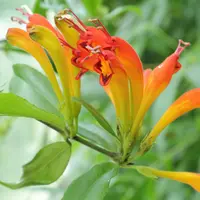
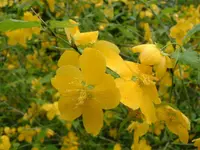
The plant typically has soft, felted leaves and pale yellow to orange, hibiscus-like flowers that attract pollinators. Its overall look is slightly wild and informal rather than tightly compact.

Abutilon pannosum is adapted to heat, strong sun, and dry conditions, which usually makes it easier to manage in warm, low-rainfall climates. Understanding how to care for Ragged mallow mainly involves providing bright light, well-drained soil, and avoiding prolonged waterlogging.

Main Plant Requirements

Care Difficulty

Moderate Care

Light Preference

Full Sun

Water Requirements

Low Water

Temperature Preference

Warm Climate

Hardiness Zone

9–11

Soil Texture

Sandy, Loamy, Rocky

Soil pH

Slightly acidic (6.5–7.0), Neutral (7.0)

Soil Drainage

Well-drained

Fertilization

Minimal (feed rarely)

Get Personalized Care Plan

Scan your plant to receive care tips personalized for your specific plant

Available on iOS and Android

How to Care for the Ragged mallow

Abutilon pannosum prefers bright, open conditions that mimic its native arid habitats.

  • Provide 6–8 hours of direct sun daily, ideally strong morning to early afternoon sun, as Ragged mallow tolerates high light better than deep shade.
  • In very hot climates, give light afternoon shade or filtered light to reduce leaf scorch while still maintaining high brightness.
  • In winter or overcast seasons, avoid deep shade from buildings or trees; plants kept below 4–5 hours of sun often become leggy and produce fewer flowers.

Abutilon pannosum is drought-tolerant but flowers best with controlled, deep watering.

  • Water only when the top 3–5 cm of soil are completely dry; use your finger to check and then water deeply so moisture reaches the root zone.
  • Choose sharply drained, sandy or gravelly soil and raised beds or slopes to prevent standing water, root rot, and yellowing leaves from excess moisture.
  • In hot, dry seasons, expect soil to dry faster and leaves to soften or droop slightly before watering; in cooler months, extend drying times and reduce frequency.

This species thrives in warm, dry climates and dislikes cold, damp conditions.

  • Aim for 70–90°F (21–32°C) during active growth, which supports strong stems and consistent flowering.
  • Protect plants when temperatures approach 32°F (0°C); foliage is damaged by light frost, and sustained cold below 28°F (-2°C) can kill stems or entire plants.
  • Abutilon pannosum tolerates dry heat up to about 100°F (38°C) if soil is not waterlogged, but growth slows in prolonged cool, wet weather, especially below 55°F (13°C).

This species handles relatively dry air but benefits from moderately humid conditions.

  • Aim for 30–50% humidity, which suits Ragged mallow without encouraging excessive softness in its foliage.
  • Leaves curling inward or browning at tips, plus accelerated flower drop, indicate air that is too dry.
  • Group plants, place near a tray of water and pebbles, or use a small humidifier rather than misting foliage directly.

Abutilon pannosum prefers light, well-aerated soil that mimics its naturally free-draining habitats.

  • Use a sandy or sandy-loam mix, such as 50% cactus potting mix with 30% coarse sand and 20% compost for structure and nutrients.
  • Ensure very rapid drainage; the mix should drain within seconds, preventing the roots from sitting in waterlogged pockets.
  • Target a slightly acidic to neutral pH around 6.2–7.0, which supports nutrient uptake without extra amendments in most tap-water areas.
  • Improve aeration and avoid compaction by adding coarse perlite or pumice and never using heavy clay-based garden soil in containers.

This shrub is suitable for container growing when provided with stable support and fast drainage.

  • Choose a wide, heavy container to counterbalance the top growth and reduce tipping in strong wind or on balconies.
  • Select a pot depth that allows a spreading root system rather than a narrow, tall cylinder that restricts lateral root expansion.
  • Use unglazed terracotta if you need faster moisture loss in wet climates, or thicker plastic where water evaporates very quickly outdoors.

Abutilon pannosum benefits from light, controlled feeding that supports flowering without producing weak, lush growth.

  • Use a balanced, water-soluble fertilizer (for example 10-10-10) at 1/2 strength for caring for Ragged mallow in containers.
  • Feed every 4–6 weeks during the warm growing season if soil is low in organic matter.
  • In the ground, rely mainly on compost or well-rotted manure lightly worked into the topsoil in spring.
  • Stop feeding or reduce to 1 very light application during cool dormant periods or winter.

Abutilon pannosum responds well to thoughtful pruning that maintains structure and promotes flowering wood.

  • Carry out main pruning in late winter or early spring before strong new growth starts.
  • Remove dead, damaged, or crossing stems first, then thin crowded interior shoots to improve light and airflow.
  • Shorten overly long branches by up to one-third to keep a balanced, bushy shape and encourage more flowering tips.
  • Use clean, sharp bypass pruners and make cuts just above outward-facing buds or branch junctions.

This shrub is more often grown in the ground, but container plants and young specimens benefit from occasional repotting or transplanting.

  • Look for roots circling the pot drainage holes, soil that dries extremely fast, or slowed growth as signals to move it up a size.
  • Shift containers or transplant garden plants in early spring or early autumn when temperatures are mild.
  • Expect container-grown Abutilon pannosum to need a larger pot about every 2–3 years, depending on growth rate.
  • Minimize root stress by watering well before and after, keeping the root ball intact, and shading the plant for several days after moving.

Abutilon pannosum is commonly propagated from seeds or semi-ripe stem cuttings under warm, bright conditions.

  • Sow fresh seeds in late winter–spring in a free-draining seed mix kept at 68–75°F with gentle, even moisture.
  • Lightly cover seeds, as a thin layer of mix improves contact yet still allows some light penetration.
  • Take 8–10 cm semi-ripe cuttings in late spring–summer, removing lower leaves and any flower buds.
  • Insert cuttings into a gritty, moist mix, optionally with rooting hormone, and keep humid with bright, indirect light until rooted.

This warm-climate shrub has low frost tolerance and needs protection in regions with cold winters.

  • In areas below about 30°F, grow Abutilon pannosum in containers so plants can be moved indoors before the first hard frost.
  • For in-ground plants in marginal climates, apply a 5–8 cm mulch layer around the root zone, keeping it off the stems.
  • Provide a bright, cool indoor spot for container plants in winter, watering sparingly but not allowing the root ball to fully dry.

Care Tips

Provide wind protection

Install a low, airy windbreak or position the plant near a fence so stems can sway slightly but are not whipped by strong, drying winds that can shred the soft foliage.


Use reflective mulch

In hot, dry climates, a light-colored mineral mulch such as gravel or decomposed granite around the root zone helps reflect heat, keep the root area slightly cooler, and reduce soil-borne fungal splash onto leaves.

Train a loose framework

Select 3–5 strong stems and loosely tie them to discreet canes or a low trellis to create a stable framework, which reduces breakage and helps flowers display better along the supported branches.

Monitor for spider mites

During hot, dry spells, inspect the undersides of leaves weekly for fine webbing or stippling and, at the first signs of spider mites, use a firm water spray in the morning and repeat every few days until new growth appears clean.

Adjust for winter rain

In regions with wet winters, slightly mound the planting site or use a raised bed so excess water drains away from the crown, which is important when growing Ragged mallow in climates cooler or wetter than its native range.

Common Pests and Diseases

Spider mites

This pest thrives on Abutilon foliage in warm, dry conditions and feeds by piercing leaves, causing fine stippling and possible webbing on leaf undersides.

Solution

Rinse leaves thoroughly with a strong but controlled stream of water, focusing on the undersides, then repeat every few days; in persistent cases, apply insecticidal soap or a neem oil spray and increase ambient humidity while avoiding leaf wetness overnight.

Whiteflies

These insects often gather on the undersides of leaves, where they suck sap, leading to yellowing, leaf drop, and sticky honeydew that can support sooty mold growth.

Solution

Shake or tap branches to dislodge adults, use yellow sticky traps to monitor populations, and treat leaf undersides with insecticidal soap or horticultural oil, repeating applications as needed and removing heavily infested leaves if practical.

Aphids

This pest clusters on tender shoots, buds, and new leaves, extracting sap and deforming growth while excreting honeydew that attracts ants and encourages sooty mold.

Solution

Squash small colonies by hand or wash them off with a firm stream of water; for larger infestations, use insecticidal soap or neem oil, ensuring good coverage of shoot tips and the undersides of young leaves to support Abutilon pannosum plant care.

Leaf spot

This disease causes brown, tan, or dark spots on leaves, sometimes with a yellow halo, and can lead to premature leaf drop in crowded or poorly ventilated conditions.

Solution

Remove and discard affected leaves, avoid overhead watering, and improve airflow around the plant; if spotting continues to spread, apply a copper-based or other labeled ornamental fungicide according to product directions.

Interesting Facts

Hairy leaf adaptation

This species has densely hairy, felted leaves that reduce water loss and reflect sunlight, an adaptation to its native arid and semi-arid habitats in northeast Africa and the Arabian Peninsula.

Sand-dune specialist

It naturally colonizes sandy soils, dunes, and dry wadis, helping to stabilize loose substrates with its root system in desert-edge ecosystems.

Distinctive orange flowers

Its shallow, orange to apricot bell-shaped flowers with darker centers are highly attractive to pollinators and make it a recognizable member of the mallow family in its native range.

Botan icon

Did you know?

Abutilon pannosum is considered regionally rare in some parts of its native range, and field botanists often use it as an indicator of relatively undisturbed sandy desert-edge habitats where grazing and land-use pressure are still low.

FAQs about Ragged mallow

Poor flowering often comes from inadequate light, nutrient-poor or very rich soil, or old, unpruned wood. Light, balanced feeding, and light post-bloom pruning usually improve bud formation. Abutilon pannosum care that copies dry, sunny habitats supports flowering.

Grow Healthy Plants with Botan Care

Keep your plants happy and healthy with plant identification, disease detection, and easy care guidance.


Botan plant care app — identify plants on mobile

Explore More Plants