Pinch For Bushiness
Pinch back soft shoot tips in late spring when stems reach 10–15 cm to encourage a denser, more self-supporting clump that flowers more evenly.

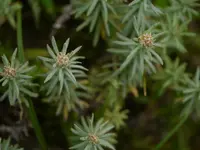
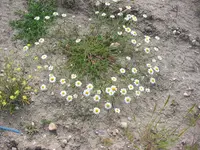
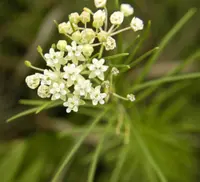
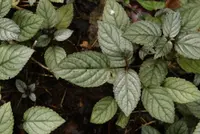
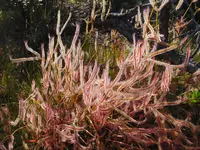
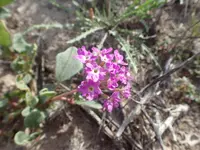
Anaphalis contorta is a hardy perennial from mountain regions of Central and South Asia, commonly called a type of pearly everlasting. It forms low, clumping mats with slender, woolly stems and narrow, silvery leaves. In late summer it carries small, white, papery flower heads that often dry well for arrangements.
This species is adapted to open, sunny slopes and poor, well-drained soils, which makes it relatively easy to grow in rock gardens and low-maintenance borders. It suits gardeners looking to care for Anaphalis contorta in dry, sunny conditions where many less resilient perennials struggle.

Care Difficulty
Easy Care

Light Preference
Full Sun

Water Requirements
Low Water

Temperature Preference
Cold Hardy

Hardiness Zone
3–8

Soil Texture
Sandy, Loamy, Rocky

Soil pH
Slightly acidic (6.5–7.0), Neutral (7.0)

Soil Drainage
Well-drained

Fertilization
Minimal (feed rarely)
Scan your plant to receive care tips personalized for your specific plant
Available on iOS and Android
This sun-loving perennial thrives in bright, open positions with cool roots and good airflow.
This species prefers evenly moist yet free-draining soil, with short dry spells better tolerated than standing water.
This hardy perennial tolerates a wide temperature range but flowers best in moderate summer conditions.
This species prefers relatively dry air and usually tolerates typical household humidity without intervention.
This plant thrives in lean, well-drained, often sandy soil that does not stay wet.
This species can be grown in containers if the potting setup replicates its naturally sharp drainage.
This tough perennial grows well in lean soil, so Anaphalis contorta needs only light feeding in most gardens.
Pruning Anaphalis contorta is simple and mainly keeps the plant tidy and flowering well.
This species is usually grown in the ground, so focus on thoughtful transplanting rather than frequent repotting.
Anaphalis contorta is commonly propagated by seed and division to maintain healthy clumps.
This perennial is generally cold hardy in temperate climates and needs only minimal winter care outdoors.

Plant Health Check
Not sure what's wrong with your plant? Check your plant's health inside the app.
This species is native to high-altitude regions of the western Himalayas, where it often grows in dry alpine meadows, open slopes, and rocky habitats above the tree line.
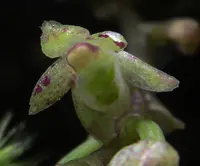
The flower heads have dry, papery bracts that stay intact long after flowering, allowing the white clusters to persist in the landscape and in dried arrangements without quickly fading.
Anaphalis contorta is adapted to shallow, stony soils and can establish in crevices and gravelly substrates, a trait that helps it withstand harsh mountain conditions and limited nutrients.
This species is a hardy herbaceous perennial. Top growth usually dies back in winter, then new shoots emerge from the rootstock in spring. Clumps slowly enlarge over several years and can be divided to maintain vigor.
Keep your plants happy and healthy with plant identification, disease detection, and easy care guidance.