Sand mound planting
Plant on a low, free-draining sand mound 10–20 cm above the surrounding soil to reduce crown rot risk and mimic the natural dune microhabitat.

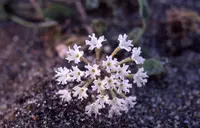
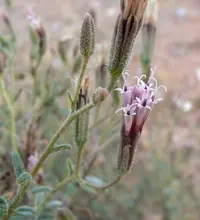
Wyoming sand verbena (Abronia ammophila) is a low-growing, mound-forming perennial adapted to dry, sandy habitats. It typically forms tight clumps with fleshy leaves and showy clusters of pale pink to lavender flowers.
This species is native to sparsely vegetated sand dunes in Wyoming and is considered rare and highly specialized. Its natural range and habitat make it sensitive to disturbance and somewhat challenging outside similar conditions.
The plant favors full sun, sharply drained sandy soil, and dry to slightly moist conditions. Gardeners who want to care for Wyoming sand verbena need to mimic its native, open dune environment as closely as possible.

Care Difficulty
Hard Care

Light Preference
Full Sun

Water Requirements
Low Water

Temperature Preference
Warm Climate

Hardiness Zone
4–5

Soil Texture
Sandy, Rocky

Soil pH
Slightly alkaline (7.0–7.5)

Soil Drainage
Well-drained

Fertilization
Minimal (feed rarely)
Scan your plant to receive care tips personalized for your specific plant
Available on iOS and Android
This dune-adapted perennial needs strong, direct light to bloom and stay compact.
This species is adapted to dry, sandy habitats and is sensitive to excess moisture.
This plant thrives in warm, dry conditions and dislikes sustained cold or high humidity.
This species is adapted to very dry air and usually does not need humidity adjustment when grown outdoors.
Abronia ammophila prefers loose, very sandy, fast-draining substrate that mimics coastal dunes.
This species can be grown in containers if the pot is configured to mimic its dry, sandy dune habitat.
This nutrient-efficient native usually needs little feeding, so use light supplementation only in poor soils for caring for Wyoming sand verbena.
Abronia ammophila needs only minimal pruning to maintain health and flowering.
This deep-rooted dune specialist is rarely potted and should be transplanted only when clearly necessary.
Abronia ammophila is usually propagated by seed, with some attempts using softwood cuttings in controlled conditions.
This species is adapted to cold, dry, windy dune conditions and usually needs little special winter care in its suitable hardiness range.

Plant Health Check
Not sure what's wrong with your plant? Check your plant's health inside the app.
This species is naturally restricted to sparsely vegetated, yellow sand dunes along the North Platte River in central Wyoming, where it grows in shifting, low-nutrient substrates that exclude most competing plants.
The foliage and stems are covered with glandular hairs that secrete a sticky substance, which helps trap wind-blown sand, reduce water loss, and may deter some herbivores and small insects.
Its pale pink to lavender flower clusters release a stronger fragrance in the evening and at night, a trait linked to attracting nocturnal pollinators such as moths in its open dune habitat.

Wyoming sand verbena is considered one of the rarest plants in Wyoming and is known from only a few small, naturally fragmented populations, which makes its long-term survival highly dependent on careful management of river flows, off-road vehicle use, and other disturbances in its dune habitat.
Lack of flowers often comes from too little light, excess moisture, or overly rich soil. This species needs strong sun, very sharp drainage, and lean, sandy substrate. Avoid high-nitrogen fertilizer, which encourages foliage instead of blooms.
Keep your plants happy and healthy with plant identification, disease detection, and easy care guidance.