largeflower Mexican clover Care (Richardia grandiflora)

Also known as: florida snow, Florida pusley
largeflower Mexican clover

About largeflower Mexican clover

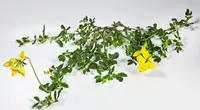
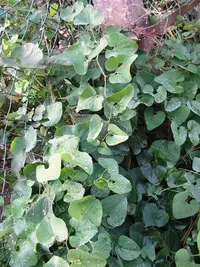
Largeflower Mexican clover (Richardia grandiflora) is a low, spreading perennial often grown as a groundcover in warm climates. It forms dense mats of small, bright green leaves.

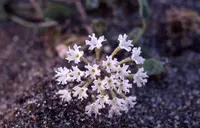
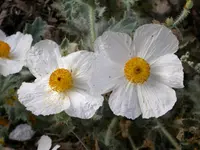
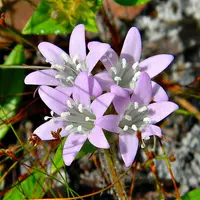
The plant is known for its many soft pink to lavender, star-shaped flowers that appear over a long season and attract bees and butterflies. It naturally occurs in parts of South America and has naturalized in subtropical and tropical regions, especially in the southern United States.

This species grows quickly, tolerates heat and poor soils, and can self-seed, which makes it easy to establish but sometimes weedy. It prefers full sun, well-drained soil, and regular moisture, which is useful to know when learning how to care for largeflower Mexican clover.

Main Plant Requirements

Care Difficulty

Easy Care

Light Preference

Full Sun

Water Requirements

Moderate Water

Temperature Preference

Warm Climate

Hardiness Zone

8–11

Soil Texture

Sandy, Loamy, Organic-rich

Soil pH

Acidic (5.5–6.5), Slightly acidic (6.5–7.0)

Soil Drainage

Well-drained

Fertilization

Minimal (feed rarely)

Get Personalized Care Plan

Scan your plant to receive care tips personalized for your specific plant

Available on iOS and Android

How to Care for the largeflower Mexican clover

Richardia grandiflora grows best in bright, open conditions with moderate protection from harsh extremes.

  • Provide 6–8 hours of direct sun daily, ideally with morning sun and light afternoon shade, especially in hotter climates.
  • Tolerates light partial shade (3–4 hours sun), but flowering on largeflower Mexican clover decreases as shade increases.
  • In very strong summer sun, protect from reflected heat and all-day western exposure to reduce leaf scorch and soil moisture loss.

Richardia grandiflora prefers evenly moist, well-drained soil without prolonged dryness or saturation.

  • Water when the top 2–4 cm of soil feels dry, allowing deeper soil to stay slightly moist but not soggy.
  • In hot, dry weather, monitor more often, watching for slight leaf droop or slower recovery after midday sun as cues to water.
  • Reduce watering in cool seasons, and watch for overwatering signs such as yellowing leaves, soft stems, or a sour soil smell.

This species performs best in warm, frost-free conditions across most growing seasons.

  • Aim for 70–85°F (21–29°C) for active growth; flowering is strongest when days are warm and nights stay above 60°F (16°C).
  • Tissue damage can begin near 32°F (0°C); repeated exposure below 40°F (4°C) slows growth and may kill top growth.
  • Handles dry heat up to about 95°F (35°C) if soil moisture is maintained, but extreme heat and hot winds increase stress and flowering decline.

Richardia grandiflora handles typical outdoor humidity well but grows best with moderate moisture in the air.

  • Aim for 40–60% humidity, which suits largeflower Mexican clover in most temperate and subtropical gardens.
  • Plants tolerate short dry spells but may develop crisp leaf edges and slower flowering in very dry air.
  • Increase humidity by grouping plants, mulching around the base, or using nearby water features rather than misting foliage directly.

Richardia grandiflora prefers light, well-drained soil that stays evenly moist but never waterlogged.

  • Use a sandy or loamy mix with plenty of organic matter to keep the root zone both moist and aerated.
  • Ensure sharp drainage by blending garden soil with coarse sand and 20–30% compost, plus perlite if soil is heavy.
  • Target a slightly acidic to neutral pH around 6.0–7.0, which supports nutrient availability and steady growth.
  • Avoid dense clay, compacted beds, and spots where water pools after rain, which promote rot and weak plants.

This species is suitable for container growing in sunny patios or balconies.

  • Choose a low, wide container to accommodate its spreading habit and keep the plant from flopping over the rim.
  • Select a slightly heavier pot material, such as ceramic or thick plastic, to keep sprawling stems from tipping the container.
  • Elevate the pot on feet or bricks so drainage holes clear easily and runoff leaves the root zone quickly after watering.

Richardia grandiflora benefits from light, consistent feeding during its active growing season for best flowering.

  • Use a balanced, water-soluble fertilizer around 10-10-10 or 20-20-20, diluted to 1/4–1/2 strength.
  • Apply every 4–6 weeks in spring and summer when growth and blooming are strong.
  • Avoid high-nitrogen lawn products drifting onto largeflower Mexican clover patches to prevent weak, leafy growth.
  • Stop feeding in fall and winter, or in very hot, droughty periods, to reduce salt buildup and stress.

Pruning helps keep Richardia grandiflora dense, low, and flowering well in managed areas.

  • Shear or trim lightly in late spring or mid-summer to keep a tidy mat and encourage fresh blooms.
  • Remove dead, diseased, or storm-damaged stems whenever noticed, using clean, sharp hand pruners or shears.
  • Cut back overly tall or sprawling patches to reduce crowding and maintain even groundcover height.
  • Avoid cutting into very dry or heat-stressed plants; irrigate first so foliage recovers more quickly.

This species is usually grown as a groundcover and is transplanted rather than repotted.

  • Transplant in spring or early summer when soil is warm and growth is active.
  • Move clumps when they outgrow the desired area or when patches become thin and need renewal.
  • Dig shallowly to lift sections with an intact root pad, keeping as much soil around roots as possible.
  • Water thoroughly after transplanting, then keep soil lightly moist for 1–2 weeks to limit transplant shock.

Richardia grandiflora spreads readily, and propagation is straightforward for creating new patches.

  • Divide established clumps in spring by slicing and lifting small sod-like sections with roots attached.
  • Sow fresh seed in late spring on the soil surface in warm, consistently moist conditions with full sun.
  • For lawn conversion, plug small pieces 15–30 cm apart and water well until new growth anchors.
  • Maintain loose, well-drained soil and moderate moisture until divisions or seedlings are clearly established.

In mild, frost-free climates this groundcover needs little winter attention, but brief freezes can damage foliage.

  • In areas with light frost, expect top growth to burn back while roots usually survive in well-drained soil.
  • Apply a 2–5 cm layer of mulch around the root zone in fall in marginal climates to buffer temperature swings.
  • Move containers to a bright, frost-free location if temperatures are forecast below 32°F.
  • Avoid waterlogged winter soils, which increase root rot risk when plants are semi-dormant.

Care Tips

Edge containment

Install a shallow plastic or metal edging 5–8 cm deep around beds to limit underground stems and keep the plant from spreading into lawns or other planting areas.

Low-mow management

In mixed turf areas, set the mower higher (7–10 cm) so flowers can form between cuts, then periodically lower to 5–6 cm to keep the mat dense and discourage taller weeds.

Targeted weed suppression

Before planting, lightly solarize or mulch-strip narrow bands where you intend the mat to establish so the clover fills these weed-reduced zones more quickly and uniformly.

Seasonal rejuvenation

At the end of the main flowering flush, use a string trimmer or shears to cut the mat back by 1/3 to stimulate denser new growth and reduce accumulated thatch and debris.

Monitor self-seeding

In regions where growing largeflower Mexican clover can become invasive, shear or mow promptly after peak bloom to reduce seed set and collect clippings for disposal rather than composting if many seed heads are present.

Common Pests and Diseases

Spider mites

This pest commonly appears in hot, dry conditions on largeflower Mexican clover, causing fine stippling and a dull, bronzed look to leaves. Symptoms include thin webbing on stems and undersides of foliage.

Solution

Rinse plants thoroughly with a strong but gentle stream of water, focusing on leaf undersides, and repeat every few days until populations drop. In outdoor beds, encourage predatory mites and apply insecticidal soap or horticultural oil in the early morning, avoiding high heat to prevent leaf burn.

Leaf spot

This disease often develops in dense groundcover patches with poor airflow, leading to small brown or tan spots that can merge into larger blotches. Symptoms include premature yellowing and thinning of the foliage mat.

Solution

Remove and discard affected leaves or heavily spotted sections of the patch to reduce spores, and avoid overhead watering that keeps foliage wet for long periods. Improve spacing and airflow, water at soil level, and if needed use a labeled broad-spectrum fungicide as a preventative during warm, humid periods.

Powdery mildew

This disease can appear when nights are cool and humidity is high, covering leaves and stems with a white, powdery film. Symptoms include distorted growth and gradual weakening of the carpet-like stand.

Solution

Increase sun exposure where possible and thin overly dense patches to improve air circulation. Remove badly covered shoots, water only at soil level, and use a sulfur or potassium bicarbonate fungicide labeled for ornamentals if the problem persists over several weeks.

Aphids

These insects cluster on tender new stems and flower stalks, sucking sap and causing curling or distortion of young growth. This pest also excretes sticky honeydew that can lead to sooty mold on leaves.

Solution

Dislodge colonies with a firm spray of water and pinch or cut off heavily infested shoot tips. For continuing issues, apply insecticidal soap or neem oil thoroughly to soft growth, repeating every 5–7 days until populations are controlled, and limit excess nitrogen fertilization that promotes very soft, aphid-prone growth.

Interesting Facts

Warm‑season lawn invader

Richardia grandiflora is a low, spreading perennial that often forms dense patches in warm‑season lawns and pastures in the southeastern United States, especially in disturbed, sandy soils.

Flowering almost year‑round

In frost‑free climates, this species can bloom for many months, often from late spring through fall, providing a nearly continuous display of pink to lavender flowers attractive to small pollinators.

Misleading common name

Despite the common name largeflower Mexican clover, this plant is not a true clover (Trifolium) and is not closely related to the legume family; it belongs to the Rubiaceae, the same family as coffee and gardenia.

FAQs about largeflower Mexican clover

This species spreads quickly by seed and creeping stems, often forming dense ground-hugging mats. In mild climates it can behave weedy. Regular edging, hand-pulling, and preventing seed set help keep it within defined areas.

Grow Healthy Plants with Botan Care

Keep your plants happy and healthy with plant identification, disease detection, and easy care guidance.

Botan plant care app — identify plants on mobile

Explore More Plants