Rubus montanus Care

Rubus montanus

About Rubus montanus

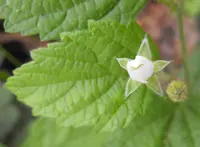
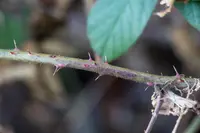
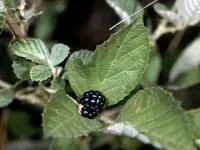
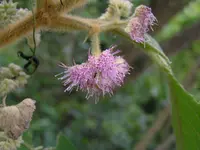
Rubus montanus is a wild bramble species in the rose family, related to familiar blackberries and raspberries. It typically forms arching or scrambling canes with prickles. Leaves are divided and slightly rough, and the plant bears small white to pale pink flowers followed by clustered berry-like fruits. It is native to montane and upland habitats in parts of Europe, often growing along forest margins, slopes, and open scrub. Growth can be vigorous where conditions suit it, so space management may be needed in gardens. It generally prefers sun to light shade, moderate moisture, and well-drained, slightly acidic soil, which helps guide how to care for Rubus montanus.

Main Plant Requirements

Care Difficulty

Moderate Care

Light Preference

Partial Shade

Water Requirements

Moderate Water

Temperature Preference

Cool Climate

Hardiness Zone

5–8

Soil Texture

Loamy, Sandy, Organic-rich

Soil pH

Acidic (5.5–6.5), Slightly acidic (6.5–7.0)

Soil Drainage

Moist but well-drained

Fertilization

Minimal (feed rarely)

Get Personalized Care Plan

Scan your plant to receive care tips personalized for your specific plant

Available on iOS and Android

How to Care for the Rubus montanus

This mountain blackberry thrives in bright, cool conditions similar to open woodland edges.

  • Provide 4–6 hours of direct morning sun with light shade or filtered light in the hotter afternoon to prevent leaf scorch.
  • Plant where it receives at least 6 hours of total daylight; in warmer regions, 30–50% partial shade helps maintain moisture and fruit quality for Rubus montanus.
  • Watch the plant’s response across seasons; pale, leggy canes indicate too little light, while crisped, yellowing leaf edges suggest excessive intense sun exposure.

This shrub prefers consistently moist but not saturated soil, especially during active growth and fruiting.

  • Before watering, check that the top 3–5 cm of soil feel dry but the lower layer remains slightly damp, then water thoroughly at the root zone.
  • Increase moisture during flowering and fruiting and during hot, dry spells, and reduce watering frequency in late fall and winter when growth slows.
  • Ensure free-draining, loamy soil; yellowing, soft canes and soggy soil indicate overwatering, while wilting leaves and dry, crumbly soil signal underwatering in Rubus montanus.

This species is adapted to cool, montane climates with distinct seasons.

  • Optimal growing temperatures are around 60–75°F (16–24°C), which support steady shoot growth, flowering, and fruit set.
  • Dormant plants tolerate winter cold down to about 0–5°F (-18 to -15°C) if well established, mulched, and protected from drying winds.
  • During summer, growth slows above 85°F (29°C); provide mulch and soil moisture to limit heat stress and avoid hot, reflective sites that can overheat roots and canes.

This bramble shrub tolerates a wide humidity range and usually does not need special humidity management outdoors.

Rubus montanus prefers moist, well-structured mineral soil with strong drainage and moderate fertility.

  • Use a loamy, slightly sandy soil rich in organic matter so roots can anchor while excess water drains away.
  • Aim for slightly acidic to neutral pH, around 5.5–7.0, which supports nutrient availability and healthy cane growth.
  • In heavy clay, incorporate coarse sand or fine gravel plus compost to improve aeration and reduce waterlogging risk.
  • Avoid compacted, waterlogged, or extremely shallow soils that cause root rot and weak, unproductive canes.

This species can be grown in containers if the pot is large and stable enough to support spreading canes.

  • Choose a deep, heavy container that resists tipping as canes lengthen and fruit weight increases.
  • Select a potting mix that drains faster than garden soil but still retains moderate moisture, such as peat-free mix with coarse sand or pine bark.
  • Elevate the container on feet or bricks so drainage holes stay clear and runoff water leaves the root zone quickly.

This mountain bramble is adapted to lean soils, so fertilizing Rubus montanus should stay light and targeted.

  • Use a balanced slow-release fertilizer (around 10-10-10) or a thin layer of compost in early spring as growth starts.
  • Feed once per year in the growing season for in-ground plants; containers can receive 2–3 light applications.
  • Apply at half the label strength to avoid excessive soft growth and reduced fruiting.
  • Stop feeding in late summer so shoots harden before winter and avoid any fertilization in dormancy.

Pruning helps maintain plant health, control spread, and support flowering and fruiting in Rubus montanus.

  • Carry out main pruning in late winter or very early spring before buds break.
  • Remove dead, diseased, or damaged canes at ground level using clean, sharp bypass pruners.
  • Thin crowded stems to improve air flow and light penetration, keeping the strongest young canes.
  • Shorten excessively long shoots to manage size and form a stable framework, avoiding heavy cuts in midseason.

This species is usually grown in the ground, so focus on careful transplanting rather than frequent repotting.

  • Transplant in early spring or early fall when weather is cool and soil is moist but workable.
  • Choose a new site with well-drained soil and full sun to light shade, improving heavy soil with organic matter.
  • Lift the plant with as much root ball as possible, disturbing roots minimally to reduce transplant shock.
  • Water thoroughly after planting, mulch 5–8 cm deep, and keep soil evenly moist until strong new growth appears.

Rubus montanus is commonly propagated vegetatively to maintain desired characteristics and spread robust plants.

  • Use tip layering in late spring to summer by pegging a flexible cane to the soil until roots form, then sever.
  • Take semi-ripe stem cuttings in mid to late summer and root them in moist, free-draining medium under high humidity.
  • Divide small clumps in early spring or fall, ensuring each division has healthy buds and a good root portion.
  • Sow fresh seed in autumn outdoors or use cold stratification indoors, as chilling improves germination.

This bramble is generally cold hardy in temperate climates and needs only modest winter care.

  • Tolerates typical winter frosts once established, though young plants benefit from extra protection in the first 1–2 years.
  • Apply a 5–8 cm mulch layer over the root zone in late fall, keeping it slightly away from stems.
  • In very cold or exposed sites, loosely tie canes and use a breathable fabric screen to reduce wind desiccation.
  • Move container-grown plants into a sheltered, unheated spot where the root ball will not freeze solid.

Care Tips

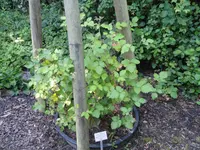
Install sturdy support

Use a strong wire trellis or strained galvanized wires spaced 30–45 cm apart and tie new canes loosely with soft ties to keep shoots upright, improve air flow, and make harvest and disease monitoring easier.

Rotate planting rows

If possible, avoid replanting in the same spot for at least 3–4 years after removing older bramble rows to reduce buildup of soil-borne pests and diseases that specifically affect Rubus species.

Mulch for cane protection

Apply a 5–8 cm layer of clean, weed-free organic mulch under the row without touching the canes to suppress weeds, stabilize soil moisture, and reduce water splash that can spread fungal spores when growing Rubus montanus.

Train by cane age

During the growing season, keep first-year canes trained to one side of the trellis and second-year, fruiting canes to the other side so that removal of spent canes and harvest are faster and less damaging to the remaining growth.

Sanitize cutting tools

Disinfect pruners and saws with 70% isopropyl alcohol or a 10% household bleach solution between plants and after removing diseased tissue to limit the spread of fungal and bacterial problems when caring for Rubus montanus.

Common Pests and Diseases

Raspberry cane borer

This pest is a beetle whose larvae tunnel inside young canes, causing wilting and dieback of the tip sections.

Solution

Prune and destroy wilted cane tips 15–20 cm below the lowest girdle mark as soon as symptoms appear, and remove heavily infested canes at ground level during dormancy. Keep plantings well spaced and staked to reduce stress, and avoid nearby wild Rubus thickets that can act as reservoirs.

Raspberry beetle

This pest is a small brown beetle; its larvae feed in the developing fruits, leading to misshapen, crumbly berries and small white grubs inside the fruit.

Solution

Collect and destroy infested and overripe fruit to break the life cycle and reduce populations. Where pressure is high, use fine mesh netting over plants during flowering to limit adult beetle access, and keep the ground beneath plants clean of fallen fruit and plant debris.

Cane blight

This disease causes dark, sunken lesions on canes, often around pruning wounds, which can girdle stems and lead to sudden wilting of laterals.

Solution

Remove and destroy infected canes during dry weather, cutting back to healthy tissue and disinfecting tools between plants. Use narrow, clean pruning cuts, avoid pruning in wet conditions, and maintain good spacing and air movement to help canes dry quickly after rain, which is a core part of Rubus montanus care instructions.

Didymella cane spot

This disease starts as small purple to brown spots on young canes that can expand and coalesce, weakening canes and reducing fruiting the following season.

Solution

Cut out and destroy affected canes during dormancy and thin crowded growth to improve airflow. Avoid overhead irrigation if possible, and keep foliage dry in the evening to limit spore spread and infection of young tissue.

Botrytis fruit rot

This disease affects flowers and fruit, causing soft brown patches that become covered with grey, fuzzy mold, especially in cool, wet weather.

Solution

Harvest fruit promptly and remove any moldy berries from the plant and soil surface. Improve air circulation by careful thinning, avoid wetting flowers and fruit when irrigating, and use a clean organic mulch to reduce splashing of spores onto lower fruiting clusters.

Interesting Facts

High-mountain specialist

Rubus montanus is native to high-elevation, subalpine habitats of Central Europe, where it grows in cool, moist mountain meadows, forest edges, and shrublands, often above 1,000 m. Its distribution is closely tied to montane climates with long, cold winters and short, cool summers.

Distinctive leaf morphology

This species typically has 3–5 leaflets with sharply toothed margins and a slightly wrinkled surface, an adaptation that helps reduce water loss and cope with strong mountain winds. The leaves often show a lighter underside, which reflects excess light in exposed alpine situations.

Important wildlife resource

The summer fruits provide an important seasonal food source for birds and small mammals in montane ecosystems. Its dense, thorny growth also offers shelter and nesting sites, contributing to local biodiversity in high-altitude landscapes.

FAQs about Rubus montanus

This bramble can spread steadily via arching canes and root suckers, forming thickets over time. Regular pruning and removing unwanted shoots help keep it contained, especially near paths, small gardens, or other low-growing plants.

Grow Healthy Plants with Botan Care

Keep your plants happy and healthy with plant identification, disease detection, and easy care guidance.

Botan plant care app — identify plants on mobile

Explore More Plants