Spike Wattle Care (Acacia oxycedrus)

Spike Wattle

About Spike Wattle

Spike wattle, Acacia oxycedrus, is an evergreen shrub or small tree native to eastern Australia, especially coastal and sandstone areas. It is often used in tough, low-maintenance landscapes.

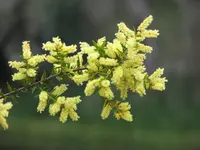
The plant has narrow, needle-like phyllodes (leaf-like structures) and dense, spiky branches that create a strong, protective form. In season it produces small, golden-yellow flower clusters along the stems.

This species tolerates poor, sandy soils and coastal conditions, which makes it resilient once established. Understanding how to care for Spike Wattle is mainly about providing sun, good drainage, and avoiding prolonged waterlogging.

Its rugged growth habit and drought tolerance suit gardens that need structure and low regular input, especially in mild, dry, or coastal climates.

Main Plant Requirements

Care Difficulty

Easy Care

Light Preference

Full Sun

Water Requirements

Low Water

Temperature Preference

Warm Climate

Hardiness Zone

9–11

Soil Texture

Sandy, Loamy, Rocky

Soil pH

Acidic (5.5–6.5), Slightly acidic (6.5–7.0)

Soil Drainage

Well-drained

Fertilization

Minimal (feed rarely)

Get Personalized Care Plan

Scan your plant to receive care tips personalized for your specific plant

Available on iOS and Android

How to Care for the Spike Wattle

This sun-loving Australian shrub prefers bright, open conditions to flower and stay compact.

  • Provide 6–8 hours of direct sun daily; full sun suits most climates, with light afternoon shade in very hot inland areas.
  • Spike Wattle tolerates light or dappled shade for part of the day, but dense shade leads to lanky, weak growth and fewer blooms.
  • In summer, protect young plants from harsh late-afternoon sun; in winter, ensure they are not shaded by buildings or larger plants.

This drought-tolerant shrub needs infrequent but deep watering once established.

  • In the ground, allow the top 5–8 cm of soil to dry before watering; in most climates this means waiting until foliage just begins to lose some firmness.
  • During the first 1–2 years, water slowly until the root zone is moist, then let the soil dry between waterings to encourage deep roots in Acacia oxycedrus.
  • Use very free-draining, sandy or gravelly soil; yellowing leaves, soft stems, or sour-smelling soil indicate overwatering, while crisp leaf tips suggest underwatering.

This hardy shrub tolerates a wide temperature range when established in well-drained soil.

  • Optimal growth occurs around 60–80°F (16–27°C), especially in spring and early summer when days are warm and nights are mild.
  • Mature plants usually tolerate down to about 20–25°F (-6 to -4°C); younger plants are more vulnerable and benefit from protection during frosts.
  • In hot summers above 90°F (32°C), ensure roots stay cool with mulch and avoid reflected heat from walls that can scorch foliage.

This shrub tolerates low humidity and rarely needs special moisture control in typical indoor or outdoor conditions.

This species prefers lean, well-structured mineral soil that drains very quickly.

  • Use sandy or gravelly loam with low organic content to mimic its naturally dry habitat.
  • Aim for slightly acidic to neutral pH around 6.0–7.0, avoiding strongly alkaline or compacted ground.
  • Blend coarse sand or fine gravel into native soil to improve aeration and rapid drainage around the root zone.
  • Avoid heavy clay, waterlogged areas, or dense peat mixes that hold water and exclude air, as Acacia oxycedrus is highly intolerant of root saturation.

This species can be grown in containers, mainly to control size and provide sharp drainage.

  • Choose a deep, heavy pot so the developing woody root system is stable and the plant does not tip in wind.
  • Use a very fast-draining, sandy-gritty mix that sheds water within minutes while still anchoring the roots firmly.
  • Position the container where runoff cannot collect around the base, since standing water around the pot quickly stresses this dry-adapted shrub.

Acacia oxycedrus is adapted to poor soils and usually needs only light feeding in cultivation.

  • Use a low-phosphorus, balanced NPK granular or slow-release fertilizer formulated for native or acid-loving plants.
  • Apply a light dose once in early spring and, if growth is weak, again in midsummer during the active growing season.
  • Reduce or stop feeding in fall and winter, when growth slows and the plant is semi-dormant.
  • If soil is very sandy, incorporate a thin layer of well-rotted compost rather than increasing fertilizer strength.

Acacia oxycedrus benefits from modest structural pruning to maintain a healthy, balanced canopy.

  • Prune in late winter or very early spring before active growth, avoiding heavy cutting during flowering.
  • Remove dead, diseased, crossing, or storm-damaged branches first to improve airflow and reduce disease risk.
  • Thin crowded interior shoots rather than shortening all tips, which helps maintain the plant’s natural habit.
  • Use clean, sharp bypass pruners or loppers and make angled cuts just above a bud or branch junction.

This species is usually grown in the ground, so management focuses on careful transplanting rather than frequent repotting.

  • Transplant young Spike Wattle plants in late winter or early spring, before vigorous new growth starts.
  • Look for signs such as roots circling the pot, water running straight through, or noticeably slowed growth in containers.
  • Move up only 1 pot size, handling the root ball gently and disturbing roots as little as possible to limit stress.
  • Water thoroughly after planting, then keep soil slightly moist but not waterlogged until new growth confirms establishment.

Acacia oxycedrus is most often propagated from seed, with pre-treatment needed for good germination.

  • Collect mature, dry pods and extract seeds at the end of the growing season.
  • Scarify seeds by nicking the coat or pouring hot (not boiling) water over them and soaking for 12–24 hours.
  • Sow in a free-draining, sandy mix, keep at 65–75°F with bright light, and maintain even, light moisture.
  • Semi-hardwood cuttings taken in late summer can root in a warm, humid propagator using a rooting hormone, though success rates are lower than with seed.

In mild climates this species is fairly cold tolerant and usually needs only minimal winter care outdoors.

  • Mature plants tolerate light frosts, but young specimens are more sensitive to prolonged freezes below about 20–25°F.
  • Apply a 5–8 cm layer of coarse mulch around the root zone, keeping it slightly away from the trunk base.
  • In colder regions, grow in containers and move plants into a bright, frost-free space before hard freezes.

Care Tips

Encourage Deep Roots

Irrigate less often but for a longer duration during establishment so water penetrates 20–30 cm deep, which trains the root system to grow downwards and improves drought tolerance in later years.

Wind-Hardy Forming

In windy sites, lightly tip-prune exposed leaders in the first 2–3 seasons to encourage a denser, lower canopy that is less likely to split or tear in storms.

Mulch Placement Control

Apply a thin, open-textured mulch layer around but not against the stem, keeping a 5–10 cm mulch-free collar to reduce collar rot risk while still conserving soil moisture and moderating soil temperature.

Low-Phosphorus Companion Choice

Plant alongside other low-phosphorus, dry-adapted natives rather than heavy-feeding ornamentals to keep soil nutrients in a range suitable for Acacia oxycedrus care and avoid decline from excess fertilizer.

Regenerative Pruning Blocks

If a hedge or screen begins to thin at the base, cut back one in every 4–5 stems more heavily in late winter to stimulate new shoots from lower down while the remaining stems maintain cover.

Common Pests and Diseases

Gum leaf skeletonizer

This pest feeds on young foliage and can strip leaves down to the veins, giving a skeletonized appearance and reducing plant vigor.

Solution

Prune and destroy heavily infested shoots, then inspect remaining foliage for caterpillars and egg masses. For ongoing outbreaks, use a targeted biological insecticide containing Bacillus thuringiensis (Bt) on young larvae and encourage birds and beneficial wasps by maintaining plant diversity nearby.

Borers

These insects tunnel into stems and branches, causing dieback, cracked bark, and sawdust-like frass at entry holes.

Solution

Cut out and dispose of affected stems several inches below visible damage and keep the plant well watered and unstressed to improve natural resistance. Avoid trunk injuries, and in high-risk areas consider wrapping young stems with breathable tree guards to reduce egg laying on the bark.

Scale insects

These insects attach firmly to stems and undersides of leaves, sucking sap and excreting honeydew that can lead to sooty mold growth.

Solution

Wipe or gently scrub small colonies from stems and foliage, then treat remaining insects with horticultural oil, ensuring good coverage of all plant surfaces. Improve air movement and avoid excess nitrogen fertilization, which can promote tender growth that is more attractive to scale, as part of broader Acacia oxycedrus care.

Phytophthora dieback

This disease affects roots and lower stems in poorly drained sites, leading to wilting, yellowing foliage, and progressive branch dieback.

Solution

Remove and destroy severely affected plants and avoid replanting susceptible species in the same poorly drained soil. Improve drainage, raise planting beds, limit overhead irrigation, and, in high-value plantings, consult local extension guidance on phosphite trunk or soil applications as a preventive measure.

Rust

This disease produces orange to brown pustules on leaves and young stems, sometimes accompanied by distortion and premature leaf drop.

Solution

Prune and dispose of infected foliage to reduce spore load and avoid overhead watering that keeps foliage wet for long periods. Space plants to improve airflow, and if rust recurs, apply a suitable fungicide labeled for ornamental acacias at the first sign of new pustules.

Interesting Facts

Eastern Australian endemic

This species is naturally restricted to eastern Australia, mainly in New South Wales and southeastern Queensland, where it often grows on poor, rocky sandstone or granite soils in open forests and heathlands.

Spiny, needle-like phyllodes

Instead of true leaves, it has rigid, sharply pointed phyllodes (leaf-like structures) up to several centimeters long, which reduce water loss and deter browsing by herbivores in its dry, exposed habitats.

Fire-adapted seed biology

Its hard-coated seeds can remain dormant in the soil seed bank and are stimulated to germinate after fire or heat shock, a common adaptation among Australian acacias that helps populations recover in fire-prone ecosystems.

Botan icon

Did you know?

Acacia oxycedrus often forms part of dense, prickly thickets that provide important shelter and nesting sites for small native birds, which in turn help disperse its seeds and contribute to the structure of coastal and tableland shrub communities.

FAQs about Spike Wattle

This species is generally fast-growing, often adding 30–60 cm of height per year in suitable conditions. Growth is quickest in full sun, well-drained soil, and mild climates, especially during its first 5–7 years.

Grow Healthy Plants with Botan Care

Keep your plants happy and healthy with plant identification, disease detection, and easy care guidance.

Botan plant care app — identify plants on mobile

Explore More Plants