Australian round lime Care (Citrus australis)

Also known as: Gympie Lime, Dooja
Australian round lime

About Australian round lime

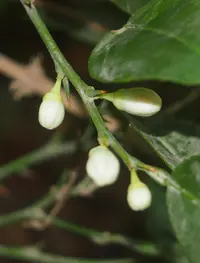
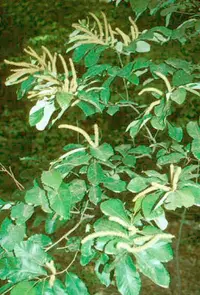
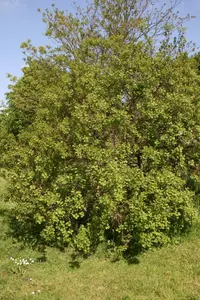
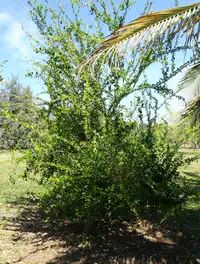
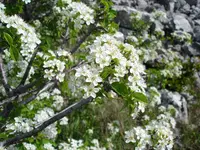
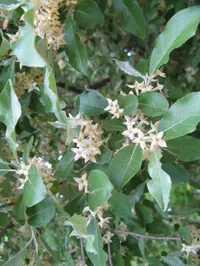
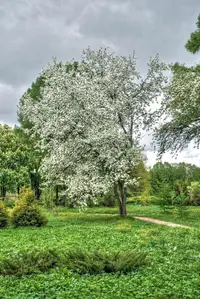
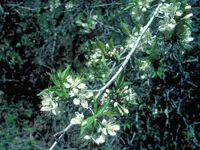
Australian round lime, Citrus australis, is a small to medium evergreen tree from the rainforests of eastern Australia. It belongs to the citrus group and is related to common limes and oranges. The plant has dense, glossy foliage and produces small, round green fruits with aromatic, acidic pulp. It grows slowly and naturally forms a compact, bushy shape, which can suit large containers or sheltered gardens. Thick, somewhat thorny branches and a need for mild, frost-free conditions can make it slightly more demanding than common citrus. It generally prefers bright light, good air movement, and well-drained, slightly acidic soil, which guides how to care for Australian round lime.


Main Plant Requirements

Care Difficulty

Moderate Care

Light Preference

Full Sun

Water Requirements

Moderate Water

Temperature Preference

Warm Climate

Hardiness Zone

9–11

Soil Texture

Sandy, Loamy, Organic-rich

Soil pH

Acidic (5.5–6.5), Slightly acidic (6.5–7.0)

Soil Drainage

Well-drained

Fertilization

Minimal (feed rarely)

Get Personalized Care Plan

Scan your plant to receive care tips personalized for your specific plant

Available on iOS and Android

How to Care for the Australian round lime

This native citrus prefers high light with some protection from harsh extremes.

  • Provide 6–8 hours of sun daily, with morning sun and light afternoon shade ideal, especially in hotter regions.
  • Tolerates partial shade (around 4 hours direct sun) but flowering and fruiting of Australian round lime may decrease in too much shade.
  • In summer, avoid reflected or intense late-afternoon sun that can scorch leaves; in winter, maximize exposure by avoiding shade from buildings or trees.

Watering for this species aims to keep the root zone moist but never saturated.

  • Before watering, check the top 3–5 cm of soil; water only when this layer feels dry and the soil below is slightly moist.
  • In hot, dry weather, expect to water more often, while in cool or rainy periods, extend intervals to prevent standing water and root rot in Citrus australis.
  • Watch foliage for cues: pale, dropping leaves with wet soil suggest overwatering, while dull, curled leaves and dry, crumbly soil indicate underwatering.

This species prefers mild, frost-free conditions for reliable growth and fruiting.

  • Aim for 65–80°F (18–27°C) during active growth, with good air movement to reduce heat stress in hotter spells.
  • Avoid temperatures below 28–30°F (-2 to -1°C); light frost may damage new growth, and harder freezes can kill branches or young trees.
  • In regions with hot summers above 95°F (35°C), provide afternoon shade and mulch to keep roots cooler, and protect from cold winds in winter.

This species prefers moderate humidity but copes fairly well with typical indoor air.

  • Aim for 40–60% humidity to keep foliage healthy and growth steady when caring for Australian round lime.

  • Leaves curling at edges, browning tips, and slow new growth indicate humidity stress or very dry air.
  • Increase humidity with a nearby pebble tray or grouped plants rather than misting, which adds only brief surface moisture.

Citrus australis needs a fast-draining, slightly acidic mix that still holds some moisture and nutrients.

  • Use a loose, sandy‑loam structure made from roughly 2 parts citrus or potting mix, 1 part coarse sand, and 1 part perlite or fine bark.
  • Target pH 6.0–6.5; if tap water is alkaline, mix in a small amount of peat or pine bark to buffer it slightly.
  • Check that water drains through in seconds, not minutes; heavy, compacted, or clay‑based soils promote root rot and must be avoided.
  • In ground, improve aeration by raising the planting area on a low mound and blending in coarse material, not just compost.

This species is well suited to container growing when the pot supports its woody root system and stable crown.

  • Choose a deep, heavy container that resists tipping as the canopy becomes denser and fruit adds weight.
  • Select a pot just 5–8 cm wider than the root ball so the mix dries evenly rather than staying wet at the bottom.
  • Use a container with multiple, unobstructed drainage holes so excess water exits rapidly after each thorough watering.

Citrus australis responds well to modest, consistent feeding in containers or poor soils.

  • Use a balanced citrus fertilizer (for example 10-10-10) or slow-release granules, not high-nitrogen lawn products.
  • Feed every 4–6 weeks during spring–summer; apply to moist soil and water in thoroughly.
  • Dilute liquid feeds to 1/2–3/4 strength to avoid root burn, especially in pots.
  • In autumn–winter, reduce feeding to 1 light application or stop entirely for in-ground Australian round lime.

Thoughtful pruning keeps Citrus australis compact, well-lit, and productive.

  • Carry out main structural pruning in late winter to very early spring before strong new growth.
  • Remove dead, diseased, crossing, or inward-growing branches first to improve airflow and light penetration.
  • Shorten long, leggy shoots to maintain shape and manageable size, cutting just above outward-facing buds.
  • Use clean, sharp bypass pruners; make small, angled cuts and avoid removing more than 20–25% of canopy in one season.

Container-grown Citrus australis or young field plants benefit from occasional transplanting to support healthy root development.

  • Check for roots circling the pot base, protruding from drainage holes, or unexplained slow growth as signs it needs more space.
  • Plan repotting or transplanting for late winter to early spring, about every 2–3 years for potted specimens.
  • Move into a container 2–5 cm wider with free-draining, slightly acidic mix; gently loosen circling roots without tearing excessively.
  • Water thoroughly after moving, keep out of strong sun and wind for 7–10 days, and maintain even moisture to reduce transplant stress.

Citrus australis is usually propagated from semi-hardwood cuttings or seeds, depending on whether fruit traits must stay true.

  • Take semi-hardwood cuttings in late spring–summer; include 3–4 nodes and remove most leaves to limit moisture loss.
  • Dip the cut end in rooting hormone, then place in a well-drained, sterile mix kept at 70–75°F with high humidity and bright, indirect light.
  • Sow fresh seeds in spring in a light, free-draining medium; maintain consistent warmth and barely moist conditions for germination.
  • Label seedlings, thin weaker plants, and pot on gradually to avoid root disturbance as they establish.

This species has moderate cold tolerance but benefits from some winter protection in cooler regions.

  • Mature plants can handle light frosts but may suffer damage below about 25°F, especially when young.
  • Apply 5–8 cm of organic mulch around the root zone, keeping it slightly back from the trunk to reduce rot risk.
  • Wrap young trunks with breathable frost cloth or horticultural fleece during forecast freezes to limit bark and cambium injury.
  • Move container plants into a bright, cool indoor or sheltered spot above freezing, and water sparingly during the coldest months.

Care Tips

Wind‑hardening young trees

In the first 1–2 years, gradually expose young plants to stronger breezes and avoid staking too rigidly so trunks flex slightly, which encourages thicker wood and better wind resistance for growing Australian round lime in exposed sites.

Salt spray protection

In coastal locations, install a simple windbreak fence or plant taller, salt-tolerant shrubs on the windward side to reduce direct salt-laden wind on foliage and fruit.

Scale insect monitoring

Inspect stems and the undersides of leaves every 2–4 weeks for small, immobile bumps and, if found early, wipe them off with a cloth dipped in insecticidal soap or horticultural oil before populations build up.

Rootzone weed control

Keep a 30–60 cm radius around the trunk free of turf and weeds using a breathable mulch layer so feeder roots do not compete for water and nutrients and are less likely to be damaged by lawn tools.

Canopy light management

If the canopy becomes dense, selectively thin crowded interior twigs rather than just shortening branch tips so more light and air reach inner fruiting wood, which improves fruit quality and reduces fungal issues.

Common Pests and Diseases

Citrus leafminer

This pest creates winding silvery tunnels inside young leaves, which may curl, twist, and become distorted as they harden. This damage reduces new growth and can slow overall plant vigor.

Solution

Prune and discard heavily damaged young shoots, then encourage strong growth with proper watering and balanced fertilizer. For ongoing infestations, use horticultural oil on new flushes of leaves, thoroughly coating the undersides to disrupt larvae and discourage egg‑laying without harming beneficial insects important for Citrus australis care.

Citrus gall wasp

This insect causes hard, swollen galls to form on young stems as larvae develop inside the woody tissue. Symptoms include thickened, lumpy branches that can reduce flowering, fruiting, and general plant health if left unmanaged.

Solution

Prune out and destroy galled stems before adult wasps emerge, typically in late winter to early spring, and avoid heavy nitrogen fertilizing that triggers soft, attractive new growth. In areas with high pressure, use monitoring traps and coordinate pruning timing with local extension advice to limit reinfestation.

Sooty mold

This disease appears as a black, soot-like coating on leaves and stems, growing on the sticky honeydew excreted by sap-sucking insects such as scale or aphids. Symptoms include dull, blackened foliage and reduced photosynthesis, although the fungus usually does not invade plant tissue directly.

Solution

Control the underlying honeydew-producing insects with targeted methods such as horticultural oil or insecticidal soap, ensuring thorough coverage of leaf undersides and stems. Once the insect population is reduced, gently wipe or hose off affected leaves to restore light exposure and monitor for reinfestation.

Citrus scale

These insects attach firmly to stems and leaves, appearing as small bumps or crusts that suck plant sap and excrete honeydew. Infestations can cause yellowing leaves, reduced vigor, and can lead to secondary sooty mold growth.

Solution

Physically remove light infestations by scraping or wiping with a cloth dipped in soapy water, focusing on stems and leaf midribs. For heavier infestations, apply horticultural oil during mild weather, repeating as needed to cover all life stages while also encouraging natural predators such as lady beetles and parasitic wasps.

Citrus canker

This disease causes raised, corky lesions with yellow halos on leaves, twigs, and fruit, which may drop prematurely under severe infection. Symptoms include defoliation, twig dieback, and blemished fruit, particularly in warm, humid conditions or after storm damage.

Solution

Promptly remove and destroy infected leaves and twigs, disinfecting pruning tools between cuts to prevent spread, and avoid working with plants when foliage is wet. In regions where citrus canker is present, protect healthy trees by reducing wind-splash with windbreaks, maintaining good nutrition for stronger leaf tissue, and following any local regulatory guidelines on movement and disposal of citrus material.

Interesting Facts

Endemic rainforest lime

This species is naturally restricted to subtropical rainforests of southeastern Queensland, where it grows as an understory shrub or small tree on well-drained, often rocky slopes.

Distinctive round fruit

Unlike finger limes and many other Australian citrus, it bears small, nearly spherical fruits with thin green to yellowish rinds and strongly acidic pulp valued for flavoring and preserves.

Genetic value for breeding

This wild species has been studied as a potential source of disease resistance and stress tolerance genes that could be introduced into commercial citrus breeding programs.

Botan icon

Did you know?

Early European botanists in Australia recognized this species as a true native citrus and used it as evidence that the Australian continent had its own distinct group of wild citrus relatives, separate from the better-known Asian species.

FAQs about Australian round lime

This species grows slowly, usually adding 10–20 cm of height per year once established. Growth is moderate in warm climates with consistent moisture and nutrients, and slower in cooler areas or when container-rooted.

Grow Healthy Plants with Botan Care

Keep your plants happy and healthy with plant identification, disease detection, and easy care guidance.

Botan plant care app — identify plants on mobile

Explore More Plants