Turkey Oak Care (Quercus cerris)

Also known as: European turkey oak
Turkey Oak

About Turkey Oak

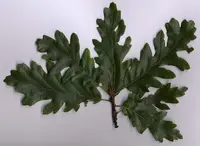
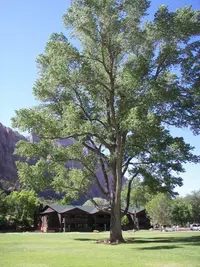
Turkey oak, Quercus cerris, is a large, fast-growing deciduous tree typically used in parks, large gardens, and naturalistic landscapes. It develops a broad, rounded crown with deeply lobed, often bristly-tipped leaves and rough, dark bark. Native to southern and central Europe and parts of western Asia, it adapts well to many temperate climates and urban conditions. This species is robust and wind-tolerant but requires ample space due to its eventual size and strong root system. It is generally easy to grow in well-drained soil with good light, and understanding how to care for Turkey Oak mainly involves providing enough room and a suitable outdoor site.

Main Plant Requirements

Care Difficulty

Moderate Care

Light Preference

Full Sun

Water Requirements

Moderate Water

Temperature Preference

Cold Hardy

Hardiness Zone

5–9

Soil Texture

Sandy, Loamy, Clay

Soil pH

Slightly acidic (6.5–7.0), Neutral (7.0)

Soil Drainage

Well-drained

Fertilization

Minimal (feed rarely)

Get Personalized Care Plan

Scan your plant to receive care tips personalized for your specific plant

Available on iOS and Android

How to Care for the Turkey Oak

This large deciduous oak prefers open, bright conditions to build a strong crown and deep root system.

  • Provide full sun for 6–8 hours daily; Turkey Oak performs best in unshaded sites such as lawns, field edges, or open woodland clearings.
  • Young trees tolerate light partial shade (3–4 hours direct sun) but may grow more slowly and develop a narrower crown in low light.
  • In hot climates, avoid reflected heat from pavement; monitor leaves for scorch on very exposed south-facing slopes during prolonged summer drought.

This species develops good drought tolerance once established but needs thoughtful watering during early years and dry spells.

  • In the first 2–3 growing seasons, water deeply when the top 5–8 cm of soil feels dry, aiming to moisten soil 20–30 cm down around the root zone.
  • Ensure well-drained soil; persistent puddling, sour smell, or yellowing leaves can indicate overwatering or poor drainage that may damage Quercus cerris roots.
  • For mature trees, focus on slow, infrequent soakings during extended drought, watching for drooping or browning leaf edges as signs that deeper soil has dried excessively.

This hardy oak is adapted to outdoor temperate climates with cold winters and warm summers.

  • Active growth is strongest at 60–80°F (16–27°C), typical of late spring and early summer in many temperate regions.
  • Mature trees tolerate winter lows near 0°F (−18°C) once established, but young saplings benefit from protection from harsh wind and sudden freeze-thaw cycles.
  • In hot summers above 90°F (32°C), the tree tolerates heat if soil moisture is adequate; prolonged extreme heat with drought can cause leaf scorch and early leaf drop.

Humidity is not a critical factor for Quercus cerris, which is naturally adapted to outdoor, open-air conditions.

Quercus cerris prefers moderately fertile, well-structured mineral soil with reliable drainage.

  • Use a deep, loamy or sandy-loam soil that holds some moisture but does not remain waterlogged.
  • Aim for slightly acidic to neutral pH around 6.0–7.0, avoiding strongly acidic or alkaline ground.
  • In heavier clay, incorporate coarse sand or fine gravel plus compost to improve drainage and root aeration.
  • Avoid compacted, poorly drained sites or areas where water stands for more than 24 hours after rain.

This species can be grown in containers only for the short to medium term, mainly when young.

  • Select a tall, heavy container to balance the tree’s developing canopy and reduce tipping in strong winds.
  • Use a mineral-based mix with added grit or pine bark to keep the root zone aerated in confined space.
  • Position the pot where it will not overheat on hard surfaces, since container walls can cause root-zone temperature swings.

Quercus cerris in the ground usually needs little feeding once established, but young or container trees benefit from modest nutrition.

  • Use a slow-release balanced fertilizer (around 10-10-10) or well-rotted compost applied in early spring.
  • Feed young or potted trees 1–2 times during the growing season, lightly scattering granules over the root zone.
  • Reduce or stop feeding in late summer to allow wood to harden before winter dormancy.
  • For containers, use at half the label strength to avoid salt buildup and root burn.

Quercus cerris needs thoughtful structural pruning rather than frequent shaping cuts.

  • Carry out main pruning in late winter to early spring while the tree is dormant and leafless.
  • Remove dead, diseased, crossing, or storm-damaged branches using clean, sharp bypass pruners or a pruning saw.
  • Thin congested interior growth selectively to improve light penetration and stable branch structure, not to reduce size aggressively.
  • Avoid cutting large limbs without clear reason, as this can slow growth and create entry points for decay organisms.

Turkey Oak is usually grown in the ground, so transplanting young trees at the right stage is more important than long-term container culture.

  • Plan transplanting for late fall or early spring, when the tree is dormant and soil is workable.
  • Look for circling roots in containers, frequent wilting, or very slow growth as signs a nursery tree needs a larger planting space.
  • Transplant seedlings or saplings every 1–2 years into progressively larger pots or into the landscape before they become root-bound.
  • Water deeply before and after moving, keep the original root ball intact, and apply a 5–8 cm mulch layer to limit shock and moisture loss.

Quercus cerris is most often propagated from seed, as vegetative methods are unreliable for home growers.

  • Collect fresh, fully mature acorns in fall and discard any that float in water, as these are usually non-viable.
  • Provide cold stratification at about 35–40°F for 8–12 weeks by storing acorns in moist sand or peat in a refrigerator.
  • Sow stratified seeds 2–3 cm deep in a free-draining, slightly acidic mix and keep evenly moist at cool to mild temperatures.
  • Grow seedlings in deep containers to allow a strong taproot, then transplant carefully before roots coil around the pot.

Quercus cerris is generally cold hardy in much of its growing range and needs minimal winter care once established.

  • Mature landscape trees tolerate typical frost in temperate climates without additional protection.
  • Apply 5–8 cm of organic mulch around the root zone of young trees, keeping it away from the trunk, to buffer freeze–thaw cycles.
  • For container-grown specimens, move pots into an unheated garage or sheltered area to prevent root freezing and cracking of containers.

Care Tips

Establish Strong Leader

In the first 3–5 years, select one straight central stem and remove competing upright shoots in late winter so the tree develops a single strong leader and stable structure.

Protect Trunk Base

Keep a 60–90 cm grass-free mulch ring around the trunk and avoid string trimmer or mower contact to prevent bark damage that can lead to decay and weak anchoring.

Wind Firming Support

In exposed sites, stake young trees with 2–3 low, flexible ties for no longer than 2–3 years so the trunk can move slightly and develop strong taper and roots.

Manage Surface Roots

When planting near lawns or paths, position the tree slightly farther away than you think and maintain a deep, mulched rooting zone to reduce future surface root heaving and trip hazards.

Monitor For Oak Pests

From late spring through summer, check foliage for chewing damage and the trunk for sap bleeding or small exit holes, and consult local extension services early if you see progressive decline, as early diagnosis is key when caring for Turkey Oak.

Common Pests and Diseases

Oak lace bug

This pest feeds on the underside of leaves, causing pale stippling that can merge into bronzing and early leaf drop in late summer. Symptoms include fine dark spots of excrement and shed skins on the leaf undersides.

Solution

Monitor foliage from late spring, and if populations build, hose down the undersides of leaves with a strong water spray and remove heavily infested lower branches where practical. In gardens or parks, encourage natural predators such as lady beetles and lacewing larvae, and if needed apply a targeted insecticidal soap or horticultural oil to leaf undersides during the early stages of infestation.

Gall-forming wasps

These insects induce galls on leaves, buds, or twigs, which appear as small rounded, spiky, or irregular swellings. This pest usually affects appearance more than tree health but can be heavy on some turkey oaks.

Solution

Prune and destroy heavily galled twigs and leaves during dormancy or early in the growing season to reduce future populations. Avoid unnecessary fertilization that can stimulate lush, susceptible growth, and focus on overall tree vigor through correct watering and mulching, since direct chemical control of galls is rarely effective or needed when caring for Turkey Oak.

Oak powdery mildew

This disease produces a white to gray powdery coating on young leaves, shoots, and sometimes acorns, leading to distorted or stunted new growth. Symptoms include reduced vigor in heavily affected young trees or in shaded, humid sites.

Solution

Improve air circulation around the canopy by selective thinning of small interior branches and avoid overhead watering late in the day. Collect and dispose of infected fallen leaves, and in repeated severe cases on young or high-value trees, use a fungicidal spray labeled for powdery mildew on oaks at the first sign of symptoms, following label directions carefully.

Oak anthracnose

This disease causes irregular brown blotches along leaf veins, leaf curling, and premature defoliation, especially in cool, wet springs. Symptoms include distorted young leaves and scattered dead areas on older foliage.

Solution

Rake and discard fallen leaves to reduce the source of new infections and avoid overhead irrigation that keeps foliage wet. In landscapes with repeated severe outbreaks on young or specimen trees, consider a preventive fungicide program in early spring and prioritize site conditions that promote fast leaf drying, such as good spacing and adequate sun exposure.

Armillaria root disease

This disease, caused by Armillaria fungi, leads to gradual decline, reduced growth, thinning canopy, and eventual dieback, often in trees already stressed by drought or soil compaction. Symptoms include white fungal fans under the bark at the base and sometimes clusters of honey-colored mushrooms near the trunk in fall.

Solution

Remove severely affected trees, including as much of the major root system and stump as practical, to reduce inoculum in the soil. For remaining or replacement trees, avoid overwatering and soil compaction, maintain a wide mulch ring instead of turf around the base, and select well-drained planting sites to reduce the risk of infection and support overall Quercus cerris care.

Interesting Facts

Distinctive mossy cups

The acorns of this species sit in cupules with long, narrow, moss-like scales that can almost cover the nut, a key feature that distinguishes it from many other European oaks.

Hybridization with locals

In parts of Europe where it has been widely planted outside its native range, this oak readily hybridizes with local oak species, which can complicate field identification and genetic studies of native oak populations.

Tolerance of urban stress

This tree is often used as a street and park tree in European cities because it tolerates air pollution, compacted soils, and drought better than many other large hardwoods, which is relevant for modern Quercus cerris care in urban landscapes.

Botan icon

Did you know?

Some individual Turkey oaks have been documented to live for several centuries, and large, old specimens can exceed 35 m in height with broad, imposing crowns that become important structural components of mature forest and park ecosystems.

FAQs about Turkey Oak

Growth is moderately fast for a large tree, typically 30–60 cm per year in good conditions. Rate depends on soil quality, moisture availability, and light exposure, and slows noticeably once the tree reaches structural maturity.

Grow Healthy Plants with Botan Care

Keep your plants happy and healthy with plant identification, disease detection, and easy care guidance.

Botan plant care app — identify plants on mobile

Explore More Plants