


Rotate for symmetry
Rotate the pot 90° every 1–2 weeks so the foliage receives light from different angles, which keeps the plant compact and prevents it from leaning strongly to one side.

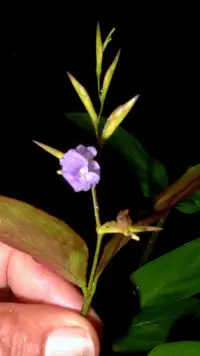
Stromanthe tonckat is a tropical understory plant grown mainly for its colorful foliage rather than flowers. It typically forms a clumping, low shrub with upright, paddle-shaped leaves.
Leaves often show contrasting patterns on the upper surface and a deeper color beneath, giving strong visual impact in shaded spaces. In nature it occurs in warm, humid forests of South America.
This species prefers stable warmth, evenly moist but well-drained soil, and protection from direct harsh sun, which can scorch the leaves. Sensitive foliage and its need for consistent humidity mean it is slightly demanding, so learning how to care for Stromanthe tonckat is helpful for long-term success indoors.

Care Difficulty
Moderate Care

Light Preference
Bright Indirect Light

Water Requirements
Keep Soil Moist

Temperature Preference
Tropical / Frost Sensitive

Hardiness Zone
10–12

Soil Texture
Loamy, Peaty, Organic-rich

Soil pH
Acidic (5.5–6.5)

Soil Drainage
Moist but well-drained

Fertilization
Light (every 4–6 weeks)
Scan your plant to receive care tips personalized for your specific plant
Available on iOS and Android
This plant prefers bright, filtered light that mimics the dappled shade of a forest understory.
Watering should keep the root zone evenly moist but never saturated for long periods.
Stable, warm conditions support healthy foliage color and steady growth.
This species needs consistently high humidity to maintain healthy foliage and avoid leaf damage.
Stromanthe tonckat prefers an airy, moisture-retentive but fast-draining potting medium.
This species is well suited to container growing when moisture control and stability are prioritized.
Nutrient inputs support steady foliage growth but Stromanthe tonckat is sensitive to overfeeding.
Light pruning keeps Stromanthe tonckat tidy and limits disease issues.
Occasional repotting or transplanting maintains root health and supports stable growth.
Division is the most reliable method for producing new plants from established clumps.
Cold-sensitive plants require thoughtful winter care to prevent rhizome and foliage damage.

Plant Health Check
Not sure what's wrong with your plant? Check your plant's health inside the app.
Stromanthe tonckat is native to the shaded understory of Brazilian tropical forests, where it evolved to handle low, filtered light and high year-round humidity.
Like other members of the Marantaceae family, this species uses a specialized joint at the base of each leaf, called a pulvinus, to change leaf angle through the day in response to light conditions.
The species develops distinct variegation and contrasting leaf surfaces that are thought to optimize light capture on the forest floor while reducing damage from intense, brief sunflecks.
Brown, crispy edges usually result from low humidity, excess fertilizer salts, or fluoride/chlorine in tap water. Increase humidity, flush the pot occasionally, and use filtered or rested water to prevent further leaf damage.
Keep your plants happy and healthy with plant identification, disease detection, and easy care guidance.

Jelly Beans
Sedum pachyphyllum
tapeworm plant
Muehlenbeckia platyclada
Columnea schiedeana
Columnea schiedeana
Elephant Ear
Colocasia esculenta Royal Hawaiian® Black Coral
Lily of the Palace
Hippeastrum aulicum
bearded coelogyne
Coelogyne flaccida
Arabica coffee
Coffea arabica
-1-200x150.webp) POPULAR
POPULARTasmanian tree fern
Dicksonia antarctica