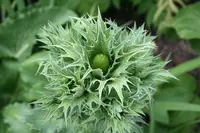
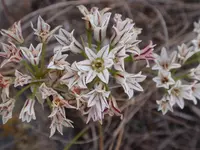
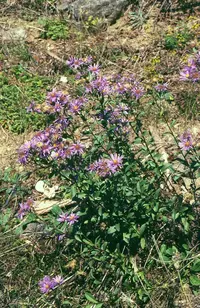
Richardson's alumroot Care (Heuchera richardsonii)

Also known as: prairie alumroot
Richardson's alumroot

About Richardson's alumroot

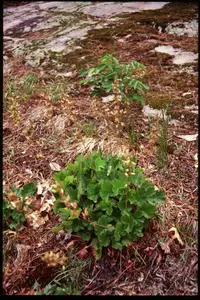
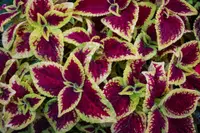
Richardson's alumroot (Heuchera richardsonii) is a hardy perennial native to prairies and open woodlands in central North America. It forms compact clumps of rounded, scalloped leaves that create a low, attractive mound.

In late spring to early summer, it sends up slender stems with many small, bell-shaped flowers that attract pollinators. The plant is valued in gardens for its toughness, drought tolerance once established, and ability to handle cold winters.

It usually prefers partial sun, moderate moisture, and well-drained, slightly rocky or sandy soil. These traits make it relatively simple to care for Richardson's alumroot in many temperate gardens.

Main Plant Requirements

Care Difficulty

Easy Care

Light Preference

Partial Shade

Water Requirements

Moderate Water

Temperature Preference

Cold Hardy

Hardiness Zone

3–7

Soil Texture

Sandy, Loamy, Organic-rich

Soil pH

Acidic (5.5–6.5), Slightly acidic (6.5–7.0)

Soil Drainage

Moist but well-drained

Fertilization

Minimal (feed rarely)

Get Personalized Care Plan

Scan your plant to receive care tips personalized for your specific plant

Available on iOS and Android

How to Care for the Richardson's alumroot

This prairie alumroot prefers bright conditions but tolerates varying light across the day.

  • Provide 4–6 hours of sun daily, ideal as morning sun with light afternoon shade, especially in hotter regions.
  • Allow partial shade or dappled light under open trees; too much deep shade reduces flowering and foliage density in Richardson's alumroot.
  • In hot summers, protect from intense sun from 12–4 p.m. to prevent leaf scorch and fading, while ensuring some direct light in spring and fall.

This species prefers evenly moist, well-drained soil rather than constant wetness.

  • Water when the top 2–4 cm of soil feels dry, focusing on the root zone instead of overhead foliage to reduce disease risk.
  • During hot, dry periods, check soil every 2–3 days; in cool or rainy seasons, extend intervals and avoid watering if soil remains damp.
  • Ensure soil drains freely; yellowing, soft crowns suggest overwatering, while crisp leaf edges and wilting in moist soil indicate root problems in Heuchera richardsonii.

This hardy perennial tolerates a wide temperature range but grows best in moderate conditions.

  • Active growth is strongest around 60–75°F (16–24°C), with consistent moisture and some light shade in warmer parts of this range.
  • Mature plants tolerate winter cold near 0°F (-18°C) or slightly lower with mulch, but young plants benefit from protection from repeated freeze–thaw cycles.
  • In summer heat above 85°F (29°C), provide afternoon shade and extra soil monitoring, as heat-stressed plants lose turgor and may scorch more easily.

Humidity is rarely a limiting factor for Heuchera richardsonii in typical home or outdoor conditions.

Heuchera richardsonii prefers loose, well-drained, moderately fertile soil that does not stay waterlogged.

  • Use a loamy mix with 40–60% garden soil, 20–30% compost, and 10–20% coarse sand or fine bark for structure.
  • Aim for slightly acidic to neutral pH around 6.0–7.2 to support root health and nutrient uptake.
  • Improve drainage and aeration by incorporating coarse sand, grit, or small pumice into heavier clay-based soils.
  • Avoid compacted, poorly drained, or constantly soggy substrates, which strongly increase root and crown rot risk.

This species is well suited to container growing when drainage and root space are managed carefully.

  • Choose a wide, shallow to medium-depth pot to accommodate its fibrous, spreading roots rather than a very deep, narrow container.
  • Select a heavier material like ceramic or clay in windy sites to keep the foliage mound stable and prevent tipping.
  • Raise the container slightly on pot feet or bricks so drainage holes stay clear and excess water leaves quickly after rain or watering.

This prairie perennial needs only light feeding, as native Richardson's alumroot is adapted to lean soils.

  • Apply a thin layer of compost or leaf mold around plants in early spring to boost soil organic matter.
  • Use a balanced, slow-release fertilizer (around 10-10-10) at half strength once in spring for container-grown clumps.
  • Avoid repeated high-nitrogen feeding, which encourages weak, floppy growth and reduces flowering.
  • Do not fertilize in fall or winter, when growth is naturally slow or dormant.

Heuchera richardsonii benefits from modest pruning to maintain a tidy clump and support flowering.

  • In early spring, remove dead or damaged leaves at the base using clean hand pruners or scissors.
  • After flowering, snip off spent flower stalks to encourage a neater appearance and possible light rebloom.
  • Trim back tattered or diseased foliage during the growing season to improve air circulation and reduce fungal problems.
  • Every few years, thin crowded crowns lightly to keep the plant compact and prevent center dieback.

This species is more often grown in the ground than in pots, so focus on occasional division and transplanting rather than frequent repotting.

  • Transplant or divide clumps in early spring or early fall, when temperatures are mild and soil is evenly moist.
  • Look for signs such as a woody, bare center, crowded rosettes, or slow growth as cues that division is needed.
  • When lifting the clump, keep as much root mass as possible, then replant at the same depth in well-drained soil.
  • Water thoroughly after transplanting, shade for a few days if conditions are hot, and keep soil lightly moist until re-established.

Heuchera richardsonii is commonly propagated by division, with seed used mainly for larger restoration or breeding projects.

  • Divide mature clumps in early spring or early fall, separating rosettes with several roots attached.
  • Replant divisions immediately into well-drained, humus-rich soil and water to settle out air pockets.
  • For seed, sow fresh in fall outdoors or use cold stratification (4–6 weeks at 35–40°F) before spring sowing.
  • Provide bright, indirect light and consistently moist, not waterlogged, substrate for both divisions and seedlings.

This species is cold hardy across much of the northern U.S. and usually needs only minimal winter attention outdoors.

  • Tolerates freezing temperatures when planted in well-drained soil and not left in standing water.
  • Apply a 5–8 cm layer of loose mulch after the ground cools to insulate roots and reduce heaving.
  • Brush mulch back slightly from crowns in late winter to prevent rot as temperatures fluctuate.
  • Move containers into a sheltered, unheated but frost-moderated area, preventing pots from freezing solid.

Care Tips

Crown protection

Plant with the crown slightly above the finished soil level and avoid piling mulch directly against it to reduce crown rot and frost heaving in winter–spring freeze–thaw cycles.

Flower stalk management

Deadhead spent flower stalks cleanly at the base during bloom season to extend flowering and prevent unwanted self-seeding while keeping clumps compact.

Leaf renewal

In early spring, remove tattered outer leaves and lightly top-dress with compost rather than disturbing the root zone to encourage fresh foliage without stressing established plants.

Clump division timing

Divide mature clumps every 3–4 years in early spring or early fall, replanting only vigorous outer sections, to maintain dense growth and avoid woody, open centers when growing Richardson's alumroot.

Summer stress reduction

During hot, dry spells, use a light-colored, fine-textured mulch around but not touching the crowns to keep roots cooler and reduce stress-induced leaf scorch.

Common Pests and Diseases

Black vine weevil

This pest chews notches along leaf edges while larvae feed on the roots and crown, leading to wilting and decline. Symptoms include scalloped leaves, stunted growth, and plants that collapse despite moist soil.

Solution

Inspect at night with a flashlight and hand-pick adult beetles from foliage, then destroy them. Apply beneficial nematodes to the soil in late spring or early fall to target larvae, and reduce dense mulch around crowns to make the habitat less favorable.

Rust

This disease causes small orange to brown pustules on the undersides of leaves, often with pale or yellow spots above. Symptoms include early leaf drop and general loss of vigor, especially in crowded or humid conditions.

Solution

Remove and discard infected leaves promptly and avoid overhead watering to keep foliage dry. Improve spacing and airflow, and if rust recurs, use a labeled fungicidal spray on new growth early in the season as part of Heuchera richardsonii care instructions.

Powdery mildew

This disease appears as a white to gray powdery coating on upper leaf surfaces, often starting on shaded, crowded plants. Symptoms include distorted new growth and gradual thinning of the clump.

Solution

Increase light and airflow, thin surrounding vegetation, and water at soil level instead of on the leaves. Remove heavily affected foliage and apply a sulfur or potassium bicarbonate-based fungicide according to label directions if the problem persists.

Foliar leaf spots

Symptoms include small brown, purple, or tan spots on leaves that may enlarge and merge, sometimes with a yellow halo. In severe cases, leaves yellow and die back from the margins inward.

Solution

Remove and discard spotted leaves, keep the plant debris-free, and avoid wetting foliage when watering. Improve drainage and airflow, and in recurring cases, treat new growth in spring with a copper or other labeled ornamental foliar fungicide.

Root and crown weevils

These insects have larvae that tunnel into the crown and upper roots, causing plants to wilt, yellow, and heave from the soil, especially in older clumps. This pest is often present where heucheras are grown in large groups near woody plants or mulched beds.

Solution

Gently lift and inspect weak plants, cutting away larvae and severely damaged tissue, then replant only firm, healthy crown pieces. Apply beneficial nematodes to infested soil, reduce excess mulch, and rotate plantings so heucheras are not continuously grown in the same heavily infested spots.

Interesting Facts

Upper Midwest native

This species is native to prairies and open woodlands of the north-central United States and south-central Canada, especially the Upper Midwest, rather than the western mountains where many other Heuchera species are found.

Prairie-adapted rootstock

It forms a tough, woody, often exposed crown and fibrous root system that anchor it in windy prairie soils and help it survive seasonal drought and fire disturbance.

Early-season nectar source

Its small greenish to yellowish flowers on tall, wiry stalks open in late spring to early summer and provide nectar for native bees and small flies at a time when many prairie forbs have not yet reached peak bloom.

Botan icon

Did you know?

Genetic studies have shown that this species is part of a complex Midwestern lineage within the genus, helping botanists understand historical connections between now-fragmented prairie and woodland habitats across the region.

FAQs about Richardson's alumroot

Yes, this species is valuable for pollinators. Its small, airy flowers provide nectar for native bees, small butterflies, and hoverflies. Planting several clumps together increases visibility and foraging efficiency for these beneficial insects.

Grow Healthy Plants with Botan Care

Keep your plants happy and healthy with plant identification, disease detection, and easy care guidance.

Botan plant care app — identify plants on mobile

Explore More Plants