Deep taproot protection
Mark planting spots and avoid cultivating or digging closer than 15–20 cm around established plants so the deep taproot is not damaged when you weed or loosen soil nearby.

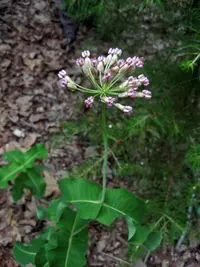
Clasping milkweed, Asclepias amplexicaulis, is a perennial wildflower native to eastern and central North America. It typically grows in open woods, sandy fields, and prairies.
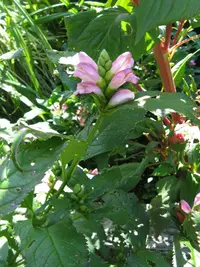
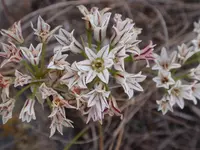
The plant forms upright stems with broad, clasping leaves that wrap partly around the stem and rounded clusters of pink to rose flowers. These fragrant blooms attract butterflies and other pollinators.
It has a deep root system and goes dormant in winter, returning reliably each year once established. This root system makes it drought tolerant but less easy to move or transplant.
Those who want to care for clasping milkweed should know it prefers full sun, dry to medium moisture, and well-drained, often sandy or rocky soil.

Care Difficulty
Moderate Care

Light Preference
Full Sun

Water Requirements
Low Water

Temperature Preference
Cold Hardy

Hardiness Zone
4–9

Soil Texture
Sandy, Loamy

Soil pH
Acidic (5.5–6.5), Slightly acidic (6.5–7.0)

Soil Drainage
Well-drained

Fertilization
Minimal (feed rarely)
Scan your plant to receive care tips personalized for your specific plant
Available on iOS and Android
This sun-loving prairie perennial performs best in open, bright conditions with strong direct light.
This deep-rooted species prefers dry to moderately dry soils and is sensitive to prolonged wet conditions.
This hardy perennial is adapted to continental climates with cold winters and warm to hot summers.
Humidity is rarely a concern for this species in typical outdoor conditions.
This species prefers dry, drought-prone soils with strong drainage.
This species is possible but not ideal for long-term container growing.
This native perennial usually needs minimal feeding in typical garden soil.
Pruning needs for Asclepias amplexicaulis are light and mainly focused on cleanliness and seed control.
This deep-rooted milkweed is better transplanted young and is rarely maintained long term in containers.
New plants are most reliably raised from seed rather than division or cuttings.
This species is cold hardy in much of its native range and usually needs little dedicated winter care.

Plant Health Check
Not sure what's wrong with your plant? Check your plant's health inside the app.
This species has broad, nearly heart-shaped leaves whose bases wrap partly around the stem, a clasping trait that distinguishes it from most other milkweeds in its range.
It typically occurs in dry, deep sandy soils of oak savannas and open woodlands, where its substantial taproot helps access moisture well below the surface.
Like other milkweeds, its flowers hold pollen in waxy packets, but the relatively small, nodding flower clusters and narrow petal reflex create a tight structure that can temporarily trap the legs of visiting insects.

Clasping milkweed is considered uncommon or rare in several parts of its native range in the eastern United States, largely because fire suppression and habitat conversion have reduced the open, sandy woodland habitats it depends on.
This species is highly attractive to many native pollinators. The fragrant pink flowers provide rich nectar for butterflies, especially monarchs, as well as bees and some wasps. Avoid pesticide use nearby to protect visiting insects.
Keep your plants happy and healthy with plant identification, disease detection, and easy care guidance.