compassplant Care (Silphium laciniatum)

compassplant

About compassplant

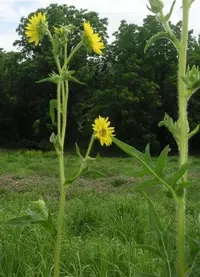
Silphium laciniatum, commonly called compassplant, is a tall, long-lived prairie perennial in the aster family. It forms a deep taproot and a clump of large, deeply cut basal leaves that often align north–south, giving the plant its name. In summer it sends up sturdy stems topped with yellow, daisy-like flower heads that attract bees and other pollinators. This species is native to tallgrass prairies and open meadows of central North America, where it thrives in full sun and well-drained soils. It is generally tough and drought-tolerant once established, but its long taproot means it resents being moved, which affects how to care for compassplant in gardens.

Main Plant Requirements

Care Difficulty

Easy Care

Light Preference

Full Sun

Water Requirements

Low Water

Temperature Preference

Cold Hardy

Hardiness Zone

3–9

Soil Texture

Sandy, Loamy, Clay

Soil pH

Slightly acidic (6.5–7.0), Neutral (7.0)

Soil Drainage

Well-drained

Fertilization

Minimal (feed rarely)

Get Personalized Care Plan

Scan your plant to receive care tips personalized for your specific plant

Available on iOS and Android

How to Care for the compassplant

This tall prairie perennial needs high light to form strong, upright growth and abundant flowers.

  • Provide full sun for 6–10 hours daily; sunrise-to-midafternoon exposure suits compassplant best in most open garden sites.
  • Plant in an unobstructed spot; it tolerates very light afternoon shade but stems may lean and flowering can decrease under more than 2–3 hours of shade.
  • Monitor in summer: foliage may scorch slightly in extreme heat with reflected sun, but too little light causes lanky, weak stems and fewer flower stalks.

This deep-rooted prairie species prefers infrequent, thorough watering once established.

  • Allow the top 5–8 cm of soil to dry before watering; in loamy ground this usually means deep watering every 10–21 days during dry spells.
  • Prioritize sharp drainage; water slowly so soil is moistened 20–30 cm deep, then let it dry, as Silphium laciniatum dislikes standing water and heavy clay that stays soggy.
  • Watch foliage and lower leaves: wilting that recovers overnight suggests mild drought stress, while yellowing, soft, or blackened crowns indicate overwatering and possible root rot.

This hardy prairie perennial tolerates wide temperature swings once established outdoors.

  • Active growth is strongest around 65–85°F (18–29°C), with good foliage and flower development in typical warm-season conditions.
  • Dormant crowns survive winter cold near −20°F (−29°C) in the ground when soil is not waterlogged and has some insulating mulch or natural snow cover.
  • Mature plants handle summer heat up to about 95–100°F (35–38°C) if soil is deep and not bone-dry, but young transplants need protection from prolonged hot, dry winds.

Humidity is not a significant factor for Silphium laciniatum, which is naturally adapted to dry prairie air.

Silphium laciniatum thrives in deep, well‑drained soils that mimic open prairie conditions.

  • Use sandy or sandy‑loam soil with moderate organic matter to keep the root zone aerated.
  • Ensure fast drainage by blending native soil with coarse sand or fine gravel at about 20–30%.
  • Aim for slightly acidic to slightly alkaline conditions, roughly pH 6.0–7.8, as the plant is tolerant across this range.
  • Avoid compacted clay, waterlogged sites, or heavy peat mixes that stay wet for more than 1–2 days after rain or watering.

This species is generally unsuitable for long‑term container growing due to its deep, extensive taproot and tall growth.

Silphium laciniatum is a deep-rooted prairie perennial that usually needs only modest supplemental nutrition in garden soils.

  • Use a light topdressing of compost or well-rotted manure once in spring to support healthy flowering.
  • In poorer soils, apply a balanced slow-release fertilizer (around 10-10-10) at half label rate in early spring.
  • Avoid summer and fall feeding so growth hardens before winter dormancy.
  • In containers, caring for compassplant may require slightly more frequent, low-strength feeding in the active season.

Pruning Silphium laciniatum is mainly about tidiness and maintaining healthy flowering stems.

  • Cut back dead or broken stems in late winter or very early spring before new growth emerges.
  • Remove spent flower stalks after seeds drop if self-seeding is not desired or space is limited.
  • Thin out crowded or leaning stems during the growing season to improve air flow and reduce flopping.
  • Use clean, sharp hand pruners and make cuts close to the base without damaging emerging shoots.

This species develops a strong taproot, so transplanting Silphium laciniatum requires planning and minimal disturbance.

  • Transplant young plants in early spring or fall, before roots dive deep and while weather is cool and moist.
  • Look for signs like slow recovery after watering or roots circling a deep pot if grown temporarily in containers.
  • Move with a tall, narrow root ball, keeping as much root intact as possible and replant at the same depth.
  • Water thoroughly after transplanting, then keep soil evenly moist but not waterlogged until new growth resumes.

Silphium laciniatum is most reliably propagated from seed, with some patience needed for germination and establishment.

  • Collect ripe seeds in late summer to early fall once seed heads dry and turn brown.
  • Provide cold stratification by sowing outdoors in fall or chilling seeds 6–8 weeks in moist medium at 34–41°F.
  • Sow seeds in a deep tray or nursery bed with well-drained soil and full sun exposure.
  • Keep soil just moist until seedlings establish, then transplant carefully while still young to avoid disturbing the taproot.

This hardy prairie perennial is very cold tolerant and usually needs minimal winter care in most temperate climates.

  • Plants withstand freezes in USDA zones roughly 3–8 without special covering once established.
  • Allow dead stems to stand over winter to catch snow, then cut them back in late winter or early spring.
  • In exposed or new plantings, apply a 5–8 cm mulch layer around the crown to moderate soil temperature.

Care Tips

Deep staking early

Install sturdy stakes or a wire grid in late spring while stems are under 30–40 cm tall so the tall, wind-exposed plant develops upright, supported growth without later breakage.

Basal debris cleanup

Cut back old stems to ground level and remove dense leaf litter in late winter to reduce overwintering sites for leaf-chewing insects and foliar diseases before new shoots emerge.

Root competition control

Keep a 30–45 cm vegetation-free ring around each clump using mulch or shallow cultivation so the deep taproot can establish without heavy competition from turfgrass and aggressive perennials.

Seed head management

Deadhead most spent flower stalks before seeds mature if you want to limit self-sowing, but leave a few for wildlife value and to observe natural reseeding patterns while growing compassplant in open plantings.

Taproot-aware transplanting

If moving young plants, transplant only very small seedlings with minimal taproot disturbance, using a deep pot or trowel to lift a long soil plug so the primary root remains straight and intact.

Common Pests and Diseases

Silphium weevils

These insects are specialist stem and seed weevils that feed on shoots, flower heads, and developing seeds, reducing vigor and seed production. Symptoms include wilting or stunted stems, damaged flower heads, and poor seed set.

Solution

Cut and destroy infested stems and spent flower heads at the end of the season to remove overwintering stages, and avoid leaving seed heads standing if damage is severe. Encourage natural predators by maintaining plant diversity nearby and avoid broad-spectrum insecticides that would disrupt beneficial insects important for growing compassplant in prairie-style plantings.

Leaf beetles

These insects chew irregular holes in the foliage and can skeletonize leaves when populations are high. Damage is usually most visible on lower and mid-level leaves during warm weather.

Solution

Hand-pick adult beetles and larvae into soapy water where practical, especially on smaller plantings. Support birds and predatory insects with nearby native plants, and if needed use a targeted foliar treatment such as spinosad applied in the evening to reduce impact on pollinators.

Silphium rust

This disease causes yellow to orange spots on upper leaf surfaces with darker, powdery pustules underneath. Infected leaves may yellow prematurely and drop, reducing photosynthetic area and weakening the plant over time.

Solution

Remove and discard heavily infected leaves and all fallen foliage at season’s end to reduce the fungal inoculum. Improve air circulation by avoiding overcrowding, water at soil level instead of overhead, and if rust is severe in a landscape setting consider rotating Silphium with other tall perennials in nearby beds.

Leaf spot complex

This disease group includes several fungi and bacteria that create brown, tan, or purple spots that can coalesce into larger dead patches. Symptoms include patchy discoloration, marginal leaf death, and aesthetic decline during humid periods.

Solution

Prune and dispose of badly affected leaves to slow spread and avoid watering foliage late in the day so leaves dry quickly. Maintain good spacing around plants and remove dense weeds to increase airflow, which reduces conditions favorable for leaf spot development.

Interesting Facts

Compass leaf alignment

Mature basal leaves often orient with their flat surfaces facing east and west, thought to reduce midday overheating and water loss in the hot, dry prairie climate where the species evolved.

Deep prairie root system

Established plants develop a very deep taproot and extensive lateral roots that allow access to moisture far below the soil surface, helping stabilize prairie soils and resist drought.

Longevity in prairie remnants

In intact tallgrass prairie, individual plants can persist for many years in the same location, functioning as long‑lived components of the native perennial community rather than short‑lived wildflowers.

Botan icon

Did you know?

In the 19th century, Euro-American settlers observed that the strongly veined resinous leaves were chewed by Indigenous peoples and explorers as a natural chewing gum, due to the plant’s aromatic resin that exudes when the foliage is damaged.

FAQs about compassplant

This species usually needs 2–3 years to reach flowering size. Lack of blooms often comes from insufficient plant age, poor nutrition, or too much shade. Deep roots also prefer undisturbed soil, so frequent transplanting delays flowering.

Grow Healthy Plants with Botan Care

Keep your plants happy and healthy with plant identification, disease detection, and easy care guidance.

Botan plant care app — identify plants on mobile

Explore More Plants