bisnaga Care (Visnaga daucoides)

Also known as: Toothpick-plant, toothpickweed
bisnaga

About bisnaga

Bisnaga, Visnaga daucoides, is an annual herb in the carrot family grown mainly for its airy, showy umbels of tiny white flowers. It forms upright, branching stems with finely divided, feathery foliage that gives a light, delicate texture in garden beds or cutting gardens.

The plant is native to Mediterranean regions and North Africa, where it grows in dry, open sites. In cultivation, it prefers full sun, well-drained soil, and moderate moisture, which makes it relatively easy to manage in many temperate climates.

Understanding how to care for bisnaga starts with providing enough light and avoiding waterlogged conditions, since excess moisture around the roots tends to shorten its life and weaken growth.

Main Plant Requirements

Care Difficulty

Easy Care

Light Preference

Full Sun

Water Requirements

Moderate Water

Temperature Preference

Warm Climate

Hardiness Zone

7–10

Soil Texture

Sandy, Loamy

Soil pH

Slightly acidic (6.5–7.0), Neutral (7.0)

Soil Drainage

Well-drained

Fertilization

Minimal (feed rarely)

Get Personalized Care Plan

Scan your plant to receive care tips personalized for your specific plant

Available on iOS and Android

How to Care for the bisnaga

Visnaga daucoides thrives in open, sunny positions typical of meadow or border plantings.

  • Provide 6–8 hours of direct sun daily; morning and midday sun are ideal, with some light afternoon shade in very hot regions.
  • Plant in a site that receives at least 4 hours of direct sun; in partial shade stems may stretch, and flower production decreases.
  • In summer, monitor for leaf scorch during heat waves; in lower-light seasons, avoid shading from taller plants or structures to maintain flowering.

This species prefers evenly drained, slightly dry-leaning conditions rather than constant moisture.

  • Water only when the top 3–5 cm of soil feels dry; deep, infrequent watering promotes a stronger root system.
  • Ensure soil drains freely; prolonged puddling or a sour smell around roots signals overwatering and risk of rot in Visnaga daucoides.
  • During cool or rainy periods, reduce or skip irrigation, but in hot, dry spells increase checks for wilting or dull, drooping foliage.

This plant performs best in mild to warm conditions typical of many annual meadow species.

  • Optimal growth occurs around 65–80°F (18–27°C); flowering is most reliable under stable, moderate temperatures.
  • Plants tolerate brief dips to about 28–30°F (-2 to -1°C), but repeated or hard frosts can damage foliage and young growth.
  • In hot spells above 90°F (32°C), flowering may slow; provide adequate soil moisture and, if possible, slight afternoon shade to limit stress.

Humidity is rarely critical for bisnaga, which adapts well to typical outdoor conditions in dry or semi-dry climates.

Visnaga daucoides prefers light, well-drained mineral soils that do not retain water for long periods.

  • Use a sandy or sandy-loam mix with 20–30% coarse sand or grit to keep the root zone airy.
  • Blend in a small amount of mature compost for nutrients without making the mix heavy or waterlogged.
  • Aim for slightly alkaline to neutral pH around 7.0–7.8, avoiding acidic peat-based mixes.
  • Avoid compacted clay, standing water, or dense organic media that collapse and suffocate roots.

This species can be grown in containers if the pot is deep and drainage is carefully managed.

  • Choose a tall, heavy pot to support the strong taproot and prevent tipping in wind as the flower umbels develop.
  • Fill the container with a very free-draining, gritty mix so water runs through rapidly and does not pool near the taproot.
  • Position the pot where excess runoff can escape quickly, since prolonged wet saucers increase root rot risk.

This Mediterranean annual needs minimal feeding, so focus on moderately fertile, well-drained soil rather than heavy fertilization when caring for bisnaga.

  • If soil is poor, use a balanced NPK granular or slow-release fertilizer at planting, mixed lightly into the top 5–8 cm of soil.
  • During the main growing season, apply a diluted balanced liquid feed at 1/2 strength once every 4–6 weeks if growth looks weak.
  • Avoid fertilizing in late fall or winter and do not overfeed, as excess nutrients promote soft, floppy growth with fewer flowers.

Pruning Visnaga daucoides is light and mainly focused on keeping plants tidy and prolonging flowering.

  • In late spring and summer, use clean scissors or hand pruners to remove spent flower umbels down to a strong leaf node.
  • Cut out any dead, yellowing, or damaged stems as they appear to reduce disease risk and maintain airflow.
  • Light thinning of crowded stems can help individual plants develop stronger, more upright flowering stalks.
  • At season’s end, shear or pull spent plants once seeds have dropped if natural reseeding is desired.

This species is usually grown as an annual in the ground, so focus on careful transplanting rather than long-term repotting.

  • Start seeds in small cells or modules, then transplant outdoors in spring after frost when seedlings have 2–3 true leaves.
  • Move plants before roots become tightly circling or pot-bound to avoid transplant shock and check for slow growth as a sign.
  • Transplant on a cool, overcast day, keeping the root ball intact and planting at the same depth in well-drained soil.
  • Water thoroughly after transplanting and keep soil evenly moist for 7–10 days to help roots re-establish with minimal stress.

Propagation of Visnaga daucoides is most reliable from seed, as it is a short-lived annual with a simple life cycle.

  • Sow seeds indoors in late winter or directly outdoors in early spring as soon as soil can be worked.
  • Provide light, well-drained soil and keep moisture even; germination typically occurs in 10–21 days at 60–70°F.
  • Press seeds gently into the surface or cover very lightly, since they benefit from some light exposure for germination.
  • Allow some flower heads to mature and dry on the plant if natural self-seeding is desired for the following year.

This annual typically completes its life cycle before hard winter, so established outdoor plants generally do not need special winter care.

  • In colder regions, allow seed heads to dry and drop if self-sown plants are desired next spring.
  • Container-grown plants can be discarded after frost and replaced from seed the next growing season, rather than overwintered.

Care Tips

Encourage Deep Roots

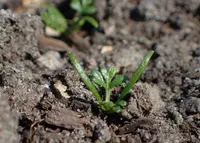
Start with slightly closer spacing in the row, then thin seedlings to 25–30 cm once they have 2–3 true leaves to promote deep, sturdy taproots that anchor the tall stems.

Timed Support Staking

In windy or exposed sites, insert low, unobtrusive stakes and soft ties when plants reach 20–30 cm tall so the hollow, branching stems do not lodge or snap later under the weight of flower umbels.

Succession Sowing Plan

Sow small batches every 2–3 weeks from spring to early summer so flower heads for cutting or seed harvest mature over a longer window instead of all at once, which simplifies harvesting and drying schedules.

Harvest For Reflowering

Cut flower umbels for arrangements when the tiny florets are just opening and always leave some foliage and side shoots, which encourages additional branching and extends the overall flowering period when growing bisnaga.

Clean Seed Drying

For seed use, bag a few nearly mature umbels with fine mesh or paper bags and allow them to dry on the plant, which protects ripening seeds from shattering and makes later cleaning and storage much easier.

Common Pests and Diseases

Leaf miners

This pest tunnels within leaf tissue, creating pale, winding trails and blotches that reduce photosynthesis and weaken foliage.

Solution

Remove and destroy affected leaves promptly to break the lifecycle, and encourage beneficial insects such as parasitic wasps by avoiding broad-spectrum insecticides; for small plantings, floating row covers can also prevent adult flies from laying eggs on foliage.

Powdery mildew

This disease causes a white, powdery coating on leaves, stems, and flower stalks, often leading to yellowing and premature leaf drop in dense plantings.

Solution

Improve air circulation by thinning crowded plants and avoiding overhead watering, then remove and dispose of heavily infected plant material and apply a sulfur or potassium bicarbonate-based fungicide according to label directions if conditions stay humid and warm.

Cercospora leaf spot

This disease produces small, irregular brown to purplish spots on leaves that may merge into larger necrotic patches, leading to partial defoliation under prolonged wet conditions.

Solution

Remove and discard infected leaves, water at soil level to keep foliage dry, and rotate plantings to new ground for several years in field situations; if disease pressure is high, use a labeled copper-based fungicide early in the infection period and repeat as directed.

Aphids

These insects cluster on young stems, leaf undersides, and flower stalks, sucking sap and causing distortion while also excreting sticky honeydew that can attract sooty mold.

Solution

Dislodge colonies with a firm stream of water, prune heavily infested shoot tips, and introduce or conserve natural enemies such as lady beetles; for persistent problems, apply insecticidal soap or a light horticultural oil, covering all plant surfaces thoroughly.

Leaf blight

This disease leads to rapid browning and collapse of leaf margins or entire leaf segments, especially in warm, wet conditions or where plants remain wet for long periods.

Solution

Improve drainage and spacing, irrigate early in the day so foliage dries quickly, and remove affected leaves at the first signs of blight; in repeated outbreaks in field or garden beds, use a protectant fungicide on new growth according to local bisnaga care instructions.

Interesting Facts

Traditional dental tool

The dried, radiating flower stalks of this species have long been used around the Mediterranean as natural toothpicks, because the stiff, smooth rays separate cleanly and are gentle on gums.

Specialist insect visitors

Its large, flat white umbels are especially attractive to parasitoid wasps and hoverflies, which use the exposed nectar and pollen while also helping to control crop pests nearby.

Mediterranean dryland adaptation

This annual forms a deep taproot and finely divided leaves that reduce water loss, allowing it to complete its life cycle in the hot, dry summers typical of its native Mediterranean habitats.

Botan icon

Did you know?

In parts of North Africa and the Middle East, carefully selected and bundled dried inflorescence rays of this species have been commercially harvested and sold as uniform, disposable toothpicks, turning a wild umbellifer into a small-scale traditional household product.

FAQs about bisnaga

The seeds and young flower heads are traditionally used as a spice and herbal remedy, especially in Mediterranean cuisines. Only use correctly identified, unsprayed plants and small amounts. People with allergies or medical conditions should consult a professional first.

Grow Healthy Plants with Botan Care

Keep your plants happy and healthy with plant identification, disease detection, and easy care guidance.

Botan plant care app — identify plants on mobile

Explore More Plants