Pinch For Bushiness
Regularly pinch out soft shoot tips every 3–4 weeks during active growth to encourage dense branching and reduce tall, leggy stems when growing Pink Strobilanthes.

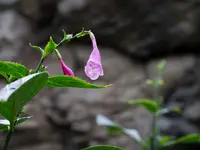
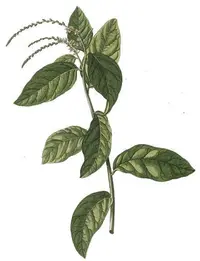
Pink Strobilanthes (Strobilanthes cusia) is a tropical evergreen shrub grown mainly for its colorful foliage. It typically forms a compact clump with upright stems and broad leaves. Leaves often show purplish to pink tones, especially on the undersides, giving strong contrast in mixed plantings.
This species comes from parts of East and Southeast Asia, where it grows in warm, humid conditions. In gardens and containers it is valued for fast growth, but can become leggy if light is too low. It prefers bright, indirect light, consistently moist but not waterlogged soil, and good drainage.
Gardeners who learn how to care for Pink Strobilanthes usually find it moderately easy, provided temperature and humidity remain stable and drafts or cold snaps are avoided.

Care Difficulty
Moderate Care

Light Preference
Partial Shade

Water Requirements
Regular Water

Temperature Preference
Tropical / Frost Sensitive

Hardiness Zone
10–11

Soil Texture
Loamy, Sandy, Organic-rich

Soil pH
Acidic (5.5–6.5), Slightly acidic (6.5–7.0)

Soil Drainage
Moist but well-drained

Fertilization
Light (every 4–6 weeks)
Scan your plant to receive care tips personalized for your specific plant
Available on iOS and Android
Strobilanthes cusia grows best with bright, indirect light and protection from harsh midday sun.
Strobilanthes cusia prefers evenly moist, fast-draining soil that never stays saturated for long periods.
This species favors warm, frost-free conditions with only mild temperature swings between day and night.
This species prefers moderate to high humidity for stable foliage color and growth.
Strobilanthes cusia grows best in loose, airy, organic-rich soil that drains quickly yet holds some moisture.
This species adapts well to container growing when moisture and stability are managed carefully.
Strobilanthes cusia responds well to light, consistent feeding during its active growing season.
Strobilanthes cusia benefits from light, periodic pruning to keep plants compact and healthy.
Strobilanthes cusia adapts well to containers but appreciates timely repotting or transplanting to avoid root congestion.
New plants of Strobilanthes cusia are most often produced from stem cuttings under warm, humid conditions.
Strobilanthes cusia is frost sensitive and needs protection in regions with freezing winters.

Plant Health Check
Not sure what's wrong with your plant? Check your plant's health inside the app.
This species is a historic plant source of indigo dye in East and Southeast Asia, where its leaves are fermented and processed to produce a deep blue pigment used for textiles.
The leaves contain indigo precursors such as indican, which are colorless in the intact leaf but oxidize to blue indigo when the tissue is crushed and exposed to air.
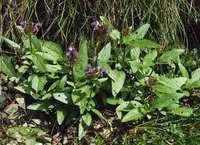
In cultivation and in the wild, plants often show a synchronized flush of tubular bluish-purple flowers, after which many stems die back, a pattern shared with several related Strobilanthes species known for periodic mass flowering.

Archaeological and historical evidence indicates that this plant was part of organized indigo dye production in China at least since the Han dynasty, making it one of the earliest systematically cultivated dye plants in East Asia.
Brown leaf edges usually come from low humidity, underwatering, or fertilizer burn. Check soil moisture, flush excess salts with plain water, and raise humidity slightly. Keep this plant away from hot drafts or direct heater airflow.
Keep your plants happy and healthy with plant identification, disease detection, and easy care guidance.