creeping sage Care (Salvia sonomensis)

Also known as: Sonoma sage
creeping sage

About creeping sage

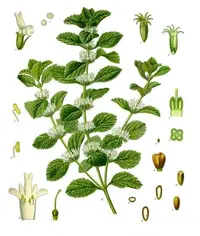
Creeping sage, Salvia sonomensis, is a low, mat-forming perennial sage valued as a drought-tolerant groundcover. It spreads across the soil surface with woody stems and small gray-green leaves, creating a dense, aromatic carpet.

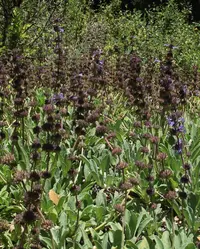
This species is native to dry slopes and open woodlands in California, where it is adapted to sun, lean soils, and limited summer water. It usually flowers in soft lavender to pale blue tones on short stalks above the foliage.

Its tolerance of heat, poor soil, and dry conditions makes it relatively easy to grow, as long as drainage is good. Gardeners who learn how to care for creeping sage often use it for erosion control and low-maintenance native plantings.

Main Plant Requirements

Care Difficulty

Easy Care

Light Preference

Full Sun

Water Requirements

Low Water

Temperature Preference

Cold Hardy

Hardiness Zone

8–10

Soil Texture

Sandy, Loamy, Rocky

Soil pH

Slightly acidic (6.5–7.0), Slightly alkaline (7.0–7.5)

Soil Drainage

Well-drained

Fertilization

Minimal (feed rarely)

Get Personalized Care Plan

Scan your plant to receive care tips personalized for your specific plant

Available on iOS and Android

How to Care for the creeping sage

This low-growing California sage prefers strong sun but can adapt to slightly shadier spots in hot climates.

  • Provide 6–8 hours of direct sun daily; in hot inland areas, give morning sun with light afternoon shade to protect foliage from scorch.
  • In coastal or cooler regions, full sun all day supports dense growth and flowering for creeping sage, while deep shade leads to weak, open stems.
  • Newly planted specimens benefit from a bit of filtered light during peak summer while roots establish, then can handle more direct sun.

This drought-adapted groundcover needs infrequent but careful watering once established.

  • At planting and during the first season, water when the top 3–5 cm of soil are dry, then soak deeply and allow the soil to dry again.
  • In following years, Salvia sonomensis usually needs only occasional deep watering in summer drought, especially on sandy or rocky, fast-draining soil.
  • Watch for limp, curling leaves as a sign of underwatering; yellowing, mushy stems or a sour soil smell indicate overwatering and poor drainage.

This species is adapted to Mediterranean-type climates with mild, wet winters and dry, warm summers.

  • Optimal growth occurs around 65–85°F (18–29°C), with best flowering and foliage density in the cooler part of this range.
  • Established plants typically tolerate brief dips to about 20°F (−6°C) if soil drains well, but repeated hard freezes and frozen, wet soil increase loss risk.
  • Heat tolerance is good up to about 95°F (35°C) with low humidity and sharp drainage; in extreme heat, light afternoon shade and mulch help limit stress.

Humidity is not a major care factor for Salvia sonomensis, which evolved in dry habitats.

  • Aim for 30–50% humidity; the plant remains healthy even toward the lower end of this range.
  • It tolerates dry indoor air, but prolonged >70% humidity can promote fungal leaf spots and stem rot.
  • Wilting without dry soil, blackened stem bases, or gray leaf mold indicate excess humidity; improve airflow and avoid overhead misting for creeping sage.

Salvia sonomensis prefers very well-drained, sandy or rocky soil that mimics its native slopes.

  • Use a gritty mix such as 50–60% coarse sand or small gravel with 40–50% lean loam or cactus mix to keep roots dry between waterings.
  • Aim for slightly acidic to slightly alkaline soil, roughly pH 6.0–7.5, as long as drainage is fast and water does not pool.
  • Mix in mineral components like pumice or perlite rather than heavy compost to improve aeration and prevent compaction around the fine roots.
  • Avoid clay-heavy, peat-heavy, or constantly moist mixes, which quickly cause root rot and shorten Salvia sonomensis lifespan.

This species can be grown in containers if drainage is excellent and the substrate stays lean.

  • Choose a wide, shallow pot to accommodate its spreading root system and keep the mat-forming top growth stable in wind.
  • Use unglazed clay containers to allow moisture to evaporate faster, reducing the risk of chronic wetness at the root zone.
  • Raise the pot on feet or bricks so drainage holes remain clear and excess water exits rapidly after rain or irrigation.

This drought-adapted California native needs only light feeding in most garden soils.

  • Apply a thin layer of compost around plants once in spring to support healthy creeping sage growth.
  • In poorer soils, use a balanced slow-release fertilizer (around 10-10-10) at half strength at the start of the growing season.
  • Avoid summer and winter feeding; excess nutrients encourage weak, leafy growth and reduce drought tolerance.
  • Always water lightly after applying fertilizer to move nutrients into the root zone without waterlogging.

Pruning Salvia sonomensis is mainly about light grooming to maintain a low, dense mat of foliage.

  • Best time for shaping is late winter to early spring, before strong new growth starts.
  • Use clean hand pruners to remove dead, damaged, or woody stems and any crossing or crowded growth.
  • Shear back spent flower stems by one-third to encourage a tidier look and stimulate fresh foliage.
  • Avoid cutting into very old, bare wood; leave some leafy growth on each stem to ensure regrowth.

This groundcover sage is usually grown in the ground, with transplanting more relevant than frequent repotting.

  • Transplant in late fall or early spring, when temperatures are mild and soil moisture is steady.
  • Move plants if growth stalls, roots circle the nursery pot, or the plant quickly outgrows a small container.
  • Choose a sunny site with sharply drained soil, and set the crown level with surrounding soil to prevent rot.
  • Water thoroughly after transplanting, then reduce watering as roots establish to limit transplant shock.

Salvia sonomensis is commonly propagated by cuttings, division, or seed in suitable conditions.

  • Take semi-ripe stem cuttings in late spring to summer and root them in a sharply drained, sandy mix.
  • Divide well-established clumps in early spring, keeping several rooted shoots together for each division.
  • Sow fresh seed in fall, using a gritty, well-drained medium and cool conditions to aid germination.
  • Provide bright, indirect light and moderate moisture for new plants, avoiding saturation that can cause rot.

In mild-winter climates, this sage is generally cold hardy and needs minimal winter care.

  • Tolerates light frost but may suffer in prolonged freezes below about 15–20°F, especially in poorly drained soil.
  • Apply a thin gravel or bark mulch around, not on, the crown to moderate soil temperature and reduce heaving.
  • For container plants in colder zones, move pots to a sheltered, unheated but frost-free area with good light.

Care Tips

Mound for Drainage

Plant on a slight mound or raised berm so winter rains drain away from the crown and roots, which greatly reduces the risk of rot in heavy or clay soils.

Layer for Expansion

Encourage the mat to spread by pinning down flexible outer stems with U-shaped wire pins and covering the pinned section with 1–2 in of gritty soil until new roots form.

Summer Weed Control

Keep the area around the mat free of competing grasses and broadleaf weeds during summer using hand-pulling or a narrow hoe, since root competition in dry conditions quickly weakens the plant.

Cool-Season Grooming

In late winter or very early spring, gently lift and remove accumulated leaf litter from the center of the mat to improve air flow and reduce hiding places for slugs and fungal spores when growing creeping sage.

Edge Protection Strategy

Where it borders paths or lawn, install flat stones or a narrow gravel strip so foot traffic and mowing do not damage the outer stems as they creep and root.

Common Pests and Diseases

Powdery mildew

This disease appears in humid or stagnant air conditions as a white, dusty coating on leaves and stems, often on older or shaded foliage. Symptoms include distorted new growth and gradual loss of vigor if humidity stays high.

Solution

Improve air circulation around the mat, avoid overhead watering, and water in the morning so foliage dries quickly. Remove and discard heavily affected stems and apply a sulfur-based or potassium bicarbonate fungicide labeled for ornamental sages if conditions remain favorable for disease.

Leaf spot

This disease causes irregular tan to brown lesions on leaves, sometimes with darker margins, usually after extended damp or cool weather. Symptoms include premature leaf drop and thinning of the groundcover patches.

Solution

Prune and discard spotted or yellowing leaves to reduce inoculum, and keep the dense foliage as dry as possible by using drip irrigation or watering at soil level. Improve spacing and airflow, and if needed apply a copper-based fungicide according to label directions during prolonged wet periods as part of broader Salvia sonomensis care instructions.

Spittlebugs

These insects form small frothy white masses on stems and leaf nodes where they feed, usually in spring. This pest rarely kills plants but can cause mild distortion or stress to new growth if populations are high.

Solution

Wash off spittle masses with a firm stream of water and pinch or rinse off visible nymphs. Encourage predators such as birds and beneficial insects by avoiding broad-spectrum insecticides, and use an insecticidal soap spray if heavy infestations persist.

Spider mites

These pests become a problem in hot, dry conditions, causing stippled, silvery leaves and fine webbing on the undersides of foliage. Symptoms include dull, off-color patches in the groundcover and premature leaf drop under severe stress.

Solution

Rinse foliage thoroughly with water, focusing on the undersides of leaves, and repeat weekly until populations drop. Increase ambient humidity slightly if grown in very arid microclimates, avoid water stress, and use insecticidal soap or horticultural oil specifically labeled for mites if washing alone is not effective.

Aphids

These insects cluster on tender stems and new leaves, sucking sap and excreting sticky honeydew that can lead to sooty mold. This pest can cause curling or distortion of young growth, especially on irrigated plants with soft new shoots.

Solution

Spray affected shoots with a strong jet of water to dislodge aphids, and remove heavily infested tips. If populations remain high, apply insecticidal soap or horticultural oil in the early morning, making sure to coat the undersides of leaves while avoiding treatment during high heat to prevent leaf burn.

Interesting Facts

Living mulch behavior

This species forms very dense, low mats that shade the soil surface, which helps reduce erosion and suppress many competing seedlings in its native California habitats.

Summer dormancy strategy

In hot, dry summers, the foliage often thins or partially dies back instead of staying lush, an adaptation that reduces water loss and matches the Mediterranean-type climate where it evolved.

Specialist pollinator support

Its bluish to violet flowers are shaped and positioned to favor visits from native solitary bees and certain butterflies, making it a valuable component of California chaparral and coastal sage scrub pollinator networks.

Botan icon

Did you know?

Genetic and field studies have shown that this species often hybridizes naturally with some other California sages, which contributes to local variation in leaf form and flower color across different mountain ranges and coastal regions.

FAQs about creeping sage

This species spreads slowly to moderately by surface stems that root where they touch soil, forming low mats. It does not usually behave aggressively, but can gradually fill open, sunny spaces when conditions suit it.

Grow Healthy Plants with Botan Care

Keep your plants happy and healthy with plant identification, disease detection, and easy care guidance.

Botan plant care app — identify plants on mobile

Explore More Plants