thinleaf sunflower Care (Helianthus decapetalus)

Also known as: pale sunflower, Ten-petal sunflower
thinleaf sunflower

About thinleaf sunflower

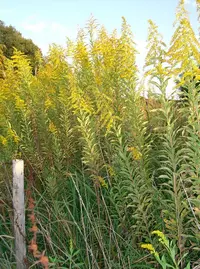
Thinleaf sunflower, Helianthus decapetalus, is a perennial wildflower native to eastern North America. It grows in clumps with slender stems and narrow leaves. Tall stems carry clusters of medium-sized yellow flowers that attract bees, butterflies, and other pollinators. Plants spread gradually by rhizomes, forming light colonies in suitable sites. In the wild it occurs in open woods, stream banks, and sunny edges with moist but well-drained soil. It is generally easy to grow in gardens with full sun to light shade and average moisture. Gardeners who learn how to care for thinleaf sunflower often value it for naturalistic borders and pollinator plantings.

Main Plant Requirements

Care Difficulty

Easy Care

Light Preference

Full Sun

Water Requirements

Moderate Water

Temperature Preference

Cold Hardy

Hardiness Zone

4–9

Soil Texture

Sandy, Loamy, Clay

Soil pH

Acidic (5.5–6.5), Slightly acidic (6.5–7.0)

Soil Drainage

Moist but well-drained

Fertilization

Minimal (feed rarely)

Get Personalized Care Plan

Scan your plant to receive care tips personalized for your specific plant

Available on iOS and Android

How to Care for the thinleaf sunflower

This perennial sunflower performs best with strong, direct outdoor light during the growing season.

  • Provide 6–8 hours of full sun daily; morning and midday sun give the best flowering and sturdy stems.
  • It tolerates light afternoon shade, especially in hotter regions, but dense shade leads to weak, floppy growth and fewer blooms in thinleaf sunflower stands.
  • Avoid sites with reflected heat from walls or pavement that can scorch leaves in drought; in midsummer, consistent soil moisture helps it cope with intense sun.

Helianthus decapetalus prefers evenly moist, free-draining soil rather than constant saturation.

  • Water when the top 3–5 cm of soil feels dry, soaking the root zone deeply instead of giving frequent shallow drinks.
  • During hot, dry periods, increase watering frequency, but let the surface dry slightly between waterings; in cool or rainy seasons, reduce watering to prevent waterlogging.
  • Wilting at midday that recovers by evening often signals temporary heat stress, while persistent drooping, yellowing lower leaves, or a sour soil smell indicate overwatering or poor drainage.

This hardy perennial tolerates a wide temperature range but grows best in moderate summer conditions.

  • Optimal growth and flowering occur around 70–85°F (21–29°C), with strong stems and steady shoot development in this range.
  • Mature plants survive winter cold down to about -20°F (-29°C) in the ground, dying back to the roots and resprouting in spring.
  • In heat above 90°F (32°C), flowering may slow and leaves can scorch if soil dries completely, so field-grown plants benefit from mulch to buffer temperature swings.

This species handles typical outdoor humidity across most regions without special measures.

This perennial prefers moderately fertile, well-drained, loose soil for sturdy growth and flowering.

  • Use a loamy or sandy-loam soil with 20–40% compost to provide structure and steady nutrients.
  • Ensure drainage is fast enough that water does not pool for more than a few minutes after irrigation or rain.
  • Aim for slightly acidic to neutral pH, around 6.0–7.0, which suits Helianthus decapetalus roots and nutrient uptake.
  • Avoid heavy, compacted clay or sites that stay waterlogged; lighten such soils with sharp sand and coarse organic matter.

This species can be grown in large outdoor containers if given enough root volume and stability.

  • Choose a deep, heavy pot that resists tipping once the tall stems and flower heads develop.
  • Fill the container with a coarse, fast-draining mix, such as garden loam blended with grit or bark to prevent soggy conditions around the roots.
  • Position the pot where wind exposure is reduced or brace it against a solid surface to limit stem stress and rocking.

Helianthus decapetalus grows well in average soil and needs only modest feeding for best flowering.

  • Apply a light layer of garden compost or well-rotted manure in early spring to enrich the root zone.
  • Use a balanced slow-release fertilizer (around 10-10-10) once in spring for nutrient-poor soils.
  • In containers, feed with a half-strength balanced liquid fertilizer every 4–6 weeks during active growth.
  • Stop feeding thinleaf sunflower in late summer and do not fertilize during winter dormancy.

Helianthus decapetalus responds well to light, timely pruning that controls height and encourages more blooms.

  • Use clean hand pruners to remove dead, diseased, or storm-damaged stems whenever noticed.
  • In late spring to early summer, pinch or cut back tall stems by 7–15 cm to promote bushier growth and more flowering shoots.
  • After peak bloom, deadhead spent flower stalks to extend flowering and reduce unwanted self-seeding.
  • Cut stems down to 5–10 cm above ground after frost to tidy the clump and limit pests overwintering in old growth.

This species is usually grown in the ground, so focus on dividing and transplanting clumps rather than frequent repotting.

  • Plan transplanting or division in early spring or early fall when temperatures are mild and soil is workable.
  • Lift and divide crowded clumps every 3–5 years, especially if flowering declines or centers die out.
  • For container plants, check for roots circling the pot or water running straight through as signs it needs a larger container.
  • Reduce root stress by watering deeply the day before moving, handling roots gently, and shading plants for a few days after transplanting.

Helianthus decapetalus is commonly propagated by division, with seeds and cuttings as secondary methods.

  • Divide established clumps in early spring or early fall, replanting vigorous outer sections into prepared soil.
  • Sow seeds in spring in moist, well-drained soil with full sun, keeping the surface evenly moist until germination.
  • Take 10–15 cm softwood stem cuttings in late spring, place in a free-draining mix, and maintain high humidity for rooting.
  • Label new plantings and space divisions adequately to allow good air movement and future clump expansion.

This hardy perennial usually needs minimal winter care in most temperate climates.

  • Plants tolerate normal winter frosts once established, with underground rhizomes surviving cold conditions.
  • After hard frost, cut back dead stems and remove debris to reduce disease and overwintering insects.
  • Apply a 5–8 cm mulch layer over the root zone in colder regions to moderate soil temperature.
  • Move container-grown plants to a sheltered, unheated area to avoid root damage from repeated freeze–thaw cycles.

Care Tips

Staking outer stems

Install discreet stakes or a low ring support early in the season and loosely tie the outer stems to keep tall growth upright and reduce snapping in wind and heavy rain.


Rhizome containment

In small gardens, sink a rhizome barrier 20–30 cm deep or periodically spade around the clump in early spring to limit spread and keep the patch within a defined area.

Biennial rejuvenation

Every 2–3 years, lift and divide congested clumps in early spring, replanting only the youngest, most vigorous sections to maintain strong flowering and control plant size.

Targeted deadheading

Remove most spent flower heads promptly to reduce self-seeding but leave a few healthy seedheads at the back of the clump if bird food and light naturalizing are desired.

Powdery mildew reduction

Space plants so air can move between stems, thin out the densest interior shoots in late spring, and water at soil level rather than overhead to lower the risk of powdery mildew when caring for thinleaf sunflower.

Common Pests and Diseases

Powdery mildew

This disease commonly affects thinleaf sunflower foliage in late summer, causing white, powdery patches on upper leaf surfaces and sometimes on stems. Symptoms include yellowing, distortion, and premature leaf drop, especially in dense plantings with poor air flow.

Solution

Remove and discard heavily infected leaves to reduce spore load, and thin or divide crowded clumps to improve air circulation and light penetration. Water at soil level in the morning, avoid overhead watering in the evening, and if needed apply a sulfur or potassium bicarbonate fungicide labeled for ornamentals at the first sign of infection.

Rust

This disease produces orange to brown powdery pustules on the undersides of leaves, with yellow or chlorotic spots visible on the upper surface. Symptoms include premature leaf drop and reduced vigor, particularly in humid conditions or where foliage stays wet for long periods.

Solution

Promptly remove and dispose of affected leaves and end-of-season plant debris to limit overwintering spores. Improve spacing and airflow, avoid wetting foliage, and in severe cases use a labeled ornamental fungicide containing chlorothalonil or myclobutanil, applied according to label directions.

Sunflower beetles

These insects chew irregular holes in leaves, and both adults and larvae feed on Helianthus foliage from spring into summer. This pest can thin the leaf canopy and reduce flowering if populations become high.

Solution

Hand-pick adults and larvae into soapy water when numbers are low, and inspect plants regularly in late spring. For heavier infestations, use a targeted insecticide such as spinosad or pyrethrins applied in the evening to reduce impact on pollinators, focusing sprays on actively feeding beetles.

Sunflower moth

This pest lays eggs on flower heads; the larvae tunnel into developing florets and seeds, causing webbing, frass, and deformed or poorly filled heads. Symptoms include browning and distortion of flower centers and reduced seed set.

Solution

Deadhead spent or infested flower heads promptly and destroy them to interrupt the life cycle. In larger plantings, consider using Bacillus thuringiensis (Bt) targeted to young caterpillars on flower heads, timed to early flowering when egg hatch begins.

Aphids

These insects cluster on stems, buds, and leaf undersides, sucking sap and excreting sticky honeydew that can support sooty mold growth. This pest can cause curling or distorted new growth and may attract ants that protect colonies.

Solution

Spray plants with a strong jet of water to dislodge colonies, focusing on undersides of leaves and flower stalks. If populations persist, use insecticidal soap or neem oil, applied thoroughly and repeatedly as needed, and encourage natural predators such as lady beetles by avoiding broad-spectrum insecticides.

Interesting Facts

Shade-tolerant sunflower

This species naturally grows along woodland edges and stream banks in eastern North America, tolerating much more shade than most other sunflowers and often thriving in bright dappled light rather than full, open sun.

Spreading rhizome network

It forms dense colonies through underground rhizomes, which are horizontal stems below the soil surface, allowing it to create large, interconnected clumps that can stabilize slopes and stream margins.

Late-summer pollinator magnet

Its numerous, relatively small yellow flower heads bloom in late summer to early fall and provide nectar and pollen for a range of native bees, butterflies, and other insects when some earlier-blooming wildflowers have already faded.

Botan icon

Did you know?

Botanists have noted that this species often hybridizes with closely related perennial sunflowers in the wild, which can create intermediate forms and contributes to the taxonomic complexity within the Helianthus genus.

FAQs about thinleaf sunflower

This species spreads by rhizomes and self-seeding, so clumps can enlarge steadily over several years. In average garden soil it is usually manageable, but it may outcompete smaller perennials if not thinned or edged periodically.

Grow Healthy Plants with Botan Care

Keep your plants happy and healthy with plant identification, disease detection, and easy care guidance.

Botan plant care app — identify plants on mobile

Explore More Plants