Harvest To Shape
Cut non-woody stems for harvest in late spring and early summer, focusing on the upper third of the plant to encourage a dense, bushy form and prevent lodging in wind or rain.

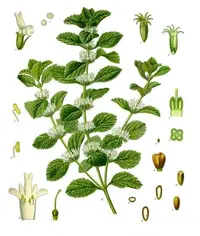
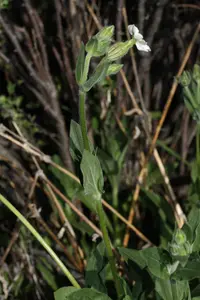
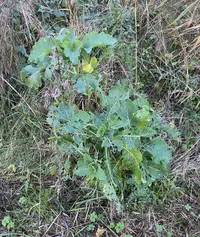
Horehound, Marrubium vulgare, is a hardy, aromatic perennial herb in the mint family. It forms low, bushy clumps with woolly, gray-green, wrinkled leaves and small white flowers. Native to Europe, northern Africa, and western Asia, it has naturalized in many dry, sunny regions, including parts of North America. The plant is drought-tolerant and generally easy to grow in poor, well-drained soils, which suits low-maintenance gardens. Once established, it competes strongly with other plants and can self-seed freely, so some owners may need to control its spread. Those who care for horehound often choose open, sunny sites with minimal watering to match its natural habitat.

Care Difficulty
Easy Care

Light Preference
Full Sun

Water Requirements
Low Water

Temperature Preference
Cold Hardy

Hardiness Zone
4–8

Soil Texture
Sandy, Loamy, Rocky

Soil pH
Slightly acidic (6.5–7.0), Slightly alkaline (7.0–7.5)

Soil Drainage
Well-drained

Fertilization
Minimal (feed rarely)
Scan your plant to receive care tips personalized for your specific plant
Available on iOS and Android
This sun-loving Mediterranean herb thrives in bright, open sites with strong light.
This drought-tolerant perennial prefers infrequent, deep watering and fast-draining soil.
This hardy herb tolerates a wide temperature range but grows best in mild, dry conditions.
This species thrives in dry air, so humidity management is rarely a concern.
This plant prefers lean, fast-draining, slightly alkaline soil that mimics dry, rocky habitats.
This species grows reliably in containers when provided with sharp drainage and a stable, sun-exposed position.
Marrubium vulgare is a low-nutrient herb that needs only modest feeding in typical garden soils.
Pruning Marrubium vulgare keeps plants compact, encourages fresh growth, and maintains flowering performance.
This herb is usually grown in the ground, so focus on careful transplanting rather than frequent repotting.
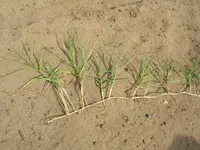
Marrubium vulgare is commonly propagated from seed, soft cuttings, or division under simple conditions.
This species is generally cold hardy in temperate climates and needs only minimal winter care outdoors.

Plant Health Check
Not sure what's wrong with your plant? Check your plant's health inside the app.
The intense bitterness of white horehound comes mainly from marrubiin, a labdane-type diterpenoid that is characteristic of this species and uncommon in high amounts in closely related mints.
Despite belonging to the mint family, this species combines the typical square stems and opposite leaves with a dense covering of white hairs, giving the foliage a greyish, woolly appearance that helps reduce water loss in dry habitats.
Originally native to parts of Europe, North Africa, and western Asia, white horehound has become widely naturalized and often invasive in dry, overgrazed pastures in North America, Australia, and other regions due to its resilience and prolific seed set.

In the 19th and early 20th centuries, white horehound was so strongly associated with traditional cough and throat remedies that it became a classic flavoring in horehound candies and lozenges, which were widely sold in Europe and North America as herbal confections.
This species self-seeds freely and can spread into surrounding areas, especially in dry, open ground. Deadhead spent flower heads before seeds ripen and remove unwanted seedlings early to prevent it from forming persistent patches in the garden.
Keep your plants happy and healthy with plant identification, disease detection, and easy care guidance.