

Maintain Saturated Zones
Grow plants in a dedicated tray or basin lined with plastic so pots can stand in 2–5 cm of rainwater or dechlorinated tap water, keeping the root zone constantly saturated without flooding surrounding beds.

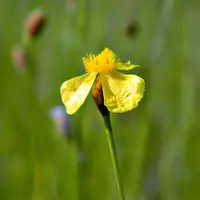
Bog yelloweyed grass (Xyris difformis) is a small, grass-like wetland perennial known for its narrow leaves and bright yellow, button-like flower heads held on slender stems. It forms loose clumps rather than a dense lawn, giving a fine, airy texture in bog gardens or water margins.
This species occurs naturally in acidic wetlands, bogs, and moist sandy areas across parts of eastern North America. It favors consistently damp, low-nutrient, acidic substrates, which can make it challenging outside specialized conditions.
Gardeners who care for bog yelloweyed grass usually focus on maintaining steady moisture, full sun, and poor, acidic soil. Under those conditions, Xyris difformis is relatively low-maintenance and stable over time.

Care Difficulty
Hard Care

Light Preference
Full Sun

Water Requirements
Aquatic

Temperature Preference
Cool Climate

Hardiness Zone
5–9

Soil Texture
Sandy, Peaty, Organic-rich

Soil pH
Strongly acidic (4.5–5.5), Acidic (5.5–6.5)

Soil Drainage
Waterlogged tolerant

Fertilization
Minimal (feed rarely)
Scan your plant to receive care tips personalized for your specific plant
Available on iOS and Android
This wetland species prefers consistent sun exposure but adapts to varying light in open boggy habitats.
This plant naturally grows in saturated, low-oxygen bog soils and needs consistently wet conditions.
This species is adapted to temperate to warm climates with cool winters and warm, humid summers.
This wetland species needs consistently high humidity to mimic bog conditions.
This species needs permanently wet, acidic, organic-rich soil that mimics a shallow bog.
This species can be grown in containers if the setup maintains very wet, bog-like conditions.
Xyris difformis is a wetland native that needs only minimal feeding in cultivation.
Xyris difformis needs only light, functional pruning rather than shaping cuts.
This species is more often transplanted in bog beds than repotted as a houseplant, due to its need for saturated, acidic soil.
Propagation of Xyris difformis is possible through both seed and careful clump division under wet, acidic conditions.
This wetland perennial is fairly cold hardy in much of its native range and usually needs limited winter attention in the ground.

Plant Health Check
Not sure what's wrong with your plant? Check your plant's health inside the app.
This species is native to acidic wetlands and bogs across eastern North America, often forming scattered tufts in open, sunny, nutrient-poor sites where many other flowering plants struggle to survive.
Its narrow, grasslike leaves can persist for a full growing season or longer, slowly building small, tufted clumps that help stabilize saturated, sandy or peaty soils around them.
The small yellow flower heads are borne on wiry stalks and consist of overlapping bracts with delicate petals that open mainly in warm, bright conditions, providing nectar and pollen to small wetland insects.
The flowers are modest but nectar-bearing and do attract small bees, flies, and other wetland pollinators. Planting several clumps together increases visibility and provides a better nectar resource, supporting local biodiversity in bog gardens and wet meadows.
Keep your plants happy and healthy with plant identification, disease detection, and easy care guidance.

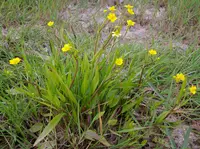
Lesser Spearwort
Ranunculus flammula
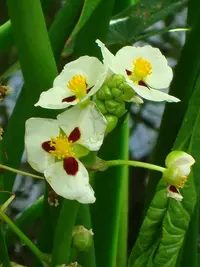
giant arrowhead
Sagittaria montevidensis
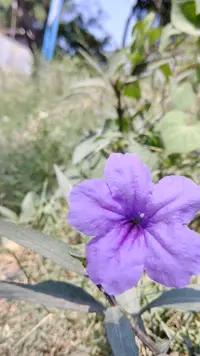
Mexican bluebell
Ruellia simplex
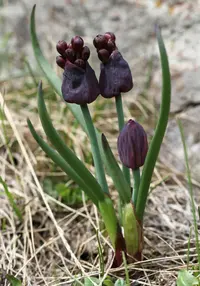
Allium atrosanguineum
Allium atrosanguineum
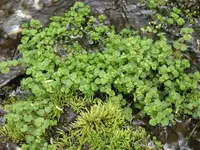
American golden saxifrage
Chrysosplenium americanum
Alyssum turkestanicum
Alyssum turkestanicum
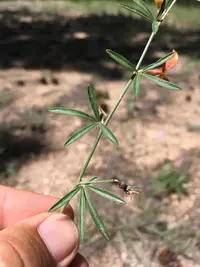
Wright's Deervetch
Acmispon wrightii
Virginia chainfern
Woodwardia virginica