red turtlehead Care (Chelone obliqua)

Also known as: Purple Turtlehead
red turtlehead

About red turtlehead

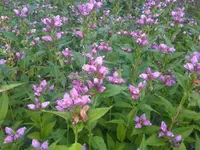
Red turtlehead (Chelone obliqua) is a moisture-loving perennial native to wetlands and stream edges in eastern North America. It forms upright clumps with sturdy square stems and deep green foliage.

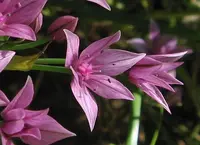
Its flower spikes carry dense clusters of pink to rose-red blooms shaped like a turtle’s head, typically appearing from late summer into fall. Plants spread slowly to form colonies and remain relatively compact.

This species suits consistently moist, rich soil and performs best in sun to partial shade. Once established, it is generally reliable and low maintenance, which makes it easier to care for red turtlehead in suitable conditions.

Main Plant Requirements

Care Difficulty

Moderate Care

Light Preference

Partial Shade

Water Requirements

Keep Soil Moist

Temperature Preference

Cold Hardy

Hardiness Zone

4–9

Soil Texture

Loamy, Clay, Organic-rich

Soil pH

Acidic (5.5–6.5), Slightly acidic (6.5–7.0)

Soil Drainage

Moist but well-drained

Fertilization

Minimal (feed rarely)

Get Personalized Care Plan

Scan your plant to receive care tips personalized for your specific plant

Available on iOS and Android

How to Care for the red turtlehead

Chelone obliqua thrives in bright, indirect light or light shade, especially in warm climates.

  • Provide 3–5 hours of morning sun with light afternoon shade; dappled light under open trees suits red turtlehead well.
  • Allow partial shade (as little as 2–3 hours direct sun) in hotter zones; in cooler regions it can handle near full sun if soil stays moist.
  • Watch leaves for stress: pale, scorched, or crispy edges indicate too much direct afternoon sun; lanky, weak stems suggest insufficient light.

This moisture-loving perennial prefers consistently damp soil without becoming waterlogged.

  • Aim for soil that stays evenly moist; in beds, let only the top 1–2 cm start to dry before the next thorough soak.
  • During hot, dry spells, use mulch 5–8 cm deep to slow surface drying and reduce how quickly the soil loses moisture.
  • Signs of stress include wilting or curling leaves in dry soil for underwatering, and yellowing, soft stems in constantly soggy soil indicating overwatering.

This hardy perennial handles a wide range of outdoor temperatures when established.

  • Optimal growth occurs around 65–80°F (18–27°C) during the growing season, supporting strong stems and flowering.
  • The plant tolerates winter cold well below 32°F (0°C) once dormant, but young spring shoots can be damaged by late frosts.
  • In summer heat above 86°F (30°C), protect roots with mulch and ensure ample soil moisture to limit stress and leaf scorch.

Chelone obliqua prefers consistently moist air but usually grows well in typical outdoor humidity.

  • Aim for 40–60% humidity, which most temperate outdoor gardens naturally provide.
  • Plants in very dry, windy spots may show crisp leaf edges and slower growth from low humidity stress.
  • Increase humidity around red turtlehead by mulching the soil surface and grouping plants near other moisture-loving perennials.

Chelone obliqua grows best in consistently moist, fertile ground with a soft, loamy structure.

  • Use a loam-based soil with high organic matter, combining garden loam, compost, and leaf mold for both moisture retention and structure.
  • Ensure drainage is slow but functional; soil should stay evenly damp yet not form standing water for more than a day.
  • Target slightly acidic to neutral pH around 6.0–7.0, which supports nutrient uptake and stable growth.
  • Improve heavy clay by working in coarse compost and fine bark to create better aeration while still holding moisture.

This species can be grown in containers if the pot supports its moisture needs and upright growth.

  • Choose a deep, heavy container that resists tipping as stems elongate and become top-heavy in late summer.
  • Use a moisture-retentive mix in containers and place the pot where it will not dry out quickly from full sun and wind exposure.
  • Elevate the container slightly on pot feet so drainage holes remain clear, preventing waterlogging at the base after rain or irrigation.

Chelone obliqua benefits from light, consistent feeding during its active growing season.

  • Apply a balanced, slow-release fertilizer (such as 10-10-10) in early spring as new growth appears.
  • Supplement with a thin layer of compost around the root zone once during midsummer for red turtlehead in lean soils.
  • Feed every 6–8 weeks in spring–summer at half the label strength to avoid lush, floppy growth.
  • Stop fertilizing in late summer so stems harden before winter dormancy.

Pruning Chelone obliqua keeps the clump healthy and supports strong flowering.

  • Cut back spent flower stems in late summer to early fall to tidy plants and encourage a neater shape.
  • Remove dead, diseased, or storm-damaged stems at ground level whenever noticed, using clean, sharp pruners.
  • In late fall or very early spring, shear old brown stems to just above soil level to make room for new shoots.
  • Thin out the oldest, most crowded stems every 2–3 years to improve air flow and reduce disease risk.

Chelone obliqua is usually grown in the ground and benefits more from thoughtful transplanting than frequent repotting.

  • Transplant in early spring or early fall, when temperatures are mild and soil is evenly moist.
  • Move clumps every 4–5 years if the center dies out, flowering declines, or the plant outgrows its space.
  • Dig a wide hole, lift the clump with as much root and soil as possible, and replant at the same depth.
  • Water thoroughly after transplanting, provide shade for 3–5 days, and keep soil consistently moist to reduce root stress.

Chelone obliqua is commonly propagated by division, with seed and cuttings as additional options for patient growers.

  • Divide mature clumps in early spring or early fall, replanting vigorous outer sections into moist, prepared soil.
  • Take 8–10 cm softwood stem cuttings in late spring, use rooting hormone, and keep in high humidity with bright shade.
  • Sow fresh seed in fall outdoors or use cold stratification, then germinate in cool, evenly moist conditions.
  • Label divisions or trays clearly and space young plants 30–45 cm apart to allow for future clump expansion.

Chelone obliqua is cold hardy in much of the US and usually needs only basic winter preparation.

  • After frost blackens foliage, cut stems back to a few cm above soil level to reduce disease carryover.
  • Apply a 5–8 cm mulch layer over the root zone in late fall, leaving a small gap around stems.
  • In very cold or exposed sites, add extra mulch or evergreen boughs to buffer repeated freeze–thaw cycles.
  • Move container-grown plants into a sheltered, unheated but frost-free spot and keep soil lightly moist.

Care Tips

Sturdy clump spacing

Space plants 30–45 cm apart and avoid overcrowding so air can move through the stems, which reduces foliar disease and keeps the clumps upright without constant staking.

Discreet stem support

In windy or exposed sites, place low, ring-style plant supports or a few discreet bamboo canes around the clump in late spring before stems elongate, so the support is hidden once foliage fills in.

Targeted deadheading

Remove spent flower spikes down to a strong pair of leaves to encourage side shoots and a tidier appearance, but leave some late-season seed heads if you want to support wildlife and natural reseeding.

Moisture-buffering mulch

Apply a 5–7 cm layer of shredded bark or composted leaf mold around but not touching the stems to keep the root zone evenly moist and cooler, which is especially helpful when growing red turtlehead in hot summers.

Division for vigor

Divide mature clumps every 3–4 years in early spring, replanting only the healthiest outer sections, to maintain strong flowering performance and prevent the center of the clump from thinning out.

Common Pests and Diseases

Leaf spot

This disease causes small, water-soaked or brown lesions on leaves that may enlarge and merge, leading to yellowing and premature leaf drop, especially in humid, crowded plantings.

Solution

Remove and discard affected leaves, avoid overhead watering, and improve spacing and airflow around plants; if the problem recurs, use a copper-based or chlorothalonil fungicide labeled for ornamental perennials, applied according to label directions as part of Chelone obliqua care.

Powdery mildew

This disease produces a white to gray, powdery coating on upper leaf surfaces, often late in the season or in shaded, stagnant air conditions.

Solution

Thin surrounding vegetation to increase light and airflow, water at soil level, remove heavily infected leaves, and apply a sulfur or potassium bicarbonate fungicide if the infection is extensive and conditions stay humid.

Rust

This disease causes small yellow spots on upper leaf surfaces and orange to brown pustules on the undersides, which can reduce vigor and aesthetic quality in moist sites.

Solution

Promptly remove and dispose of infected leaves, avoid overhead irrigation, keep plant debris cleaned up at the end of the season, and use a labeled ornamental rust fungicide if symptoms spread quickly under wet conditions.

Aphids

These insects cluster on tender stems and leaf undersides, sucking sap and causing distorted growth, sticky honeydew, and sometimes sooty mold on the foliage.

Solution

Spray stems and leaves with a firm stream of water to dislodge colonies, then treat remaining aphids with insecticidal soap or a light horticultural oil, repeating as needed and ensuring coverage of leaf undersides while avoiding applications in full midday sun.

Slugs and snails

These pests chew irregular holes in leaves, often starting on lower foliage, and leave shiny slime trails, particularly in damp, shaded beds where red turtlehead is commonly grown.

Solution

Hand-pick slugs and snails in the evening, reduce moist hiding places such as thick mulch directly against stems, use iron phosphate bait where allowed, and create dry barriers or copper tape around high-value clumps to reduce feeding pressure.

Interesting Facts

Late-season pollinator magnet

This species flowers from late summer into early fall, providing nectar and pollen when many other native perennials have finished blooming, which supports bumblebees and late-season butterflies.

Moist-soil stream specialist

Chelone obliqua naturally occurs along streams, wet meadows, and floodplains in eastern North America and tolerates periodic flooding that would stress many other ornamentals.

Clumping, not spreading

Unlike some wetland perennials that spread aggressively by long rhizomes, this plant tends to form tight, upright clumps, which makes it easier to manage in designed gardens and restoration plantings.

Botan icon

Did you know?

Chelone obliqua has zygomorphic flowers, meaning they have a single plane of symmetry, and their turtlehead-shaped corollas are adapted so that mainly strong bees like bumblebees can force their way inside, which reduces access by less effective pollinators.

FAQs about red turtlehead

Poor flowering often results from too little light, nutrient-poor or overly dry soil, or plants that are still immature. Ensure consistent moisture, a fertile but not heavily nitrogen-rich soil, and avoid deep shade to support bud formation.

Grow Healthy Plants with Botan Care

Keep your plants happy and healthy with plant identification, disease detection, and easy care guidance.

Botan plant care app — identify plants on mobile

Explore More Plants