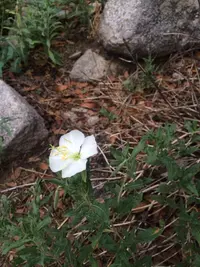
Fairy Fan-flower Care (Scaevola aemula)

Fairy Fan-flower

About Fairy Fan-flower

Fairy fan-flower (Scaevola aemula) is a low, spreading perennial often grown as an annual, valued for its fan-shaped blooms and trailing habit. It is widely used in hanging baskets, containers, and as a groundcover where it forms dense, cascading mounds.

Native to coastal regions of Australia, it is adapted to bright light, good air movement, and relatively poor, sandy soils. Flowers appear along the stems, usually in shades of blue, purple, or white, and attract pollinators.

This plant is considered relatively easy to grow because it tolerates heat, light drought, and moderate wind. Understanding how to care for Fairy Fan-flower mainly involves providing strong light, well-drained soil, and avoiding heavy, waterlogged conditions.

Main Plant Requirements

Care Difficulty

Easy Care

Light Preference

Full Sun

Water Requirements

Moderate Water

Temperature Preference

Tropical / Frost Sensitive

Hardiness Zone

10–11

Soil Texture

Sandy, Loamy, Organic-rich

Soil pH

Acidic (5.5–6.5), Slightly acidic (6.5–7.0)

Soil Drainage

Well-drained

Fertilization

Light (every 4–6 weeks)

Get Personalized Care Plan

Scan your plant to receive care tips personalized for your specific plant

Available on iOS and Android

How to Care for the Fairy Fan-flower

Scaevola aemula thrives in bright outdoor light and performs best with several hours of direct sun each day.

  • Provide 4–6 hours of direct sun, ideally morning sun with some protection from intense mid-afternoon rays in hot climates.
  • Allow for light afternoon shade, especially in zone 9–11 locations, to prevent leaf scorch and flower fade on Fairy Fan-flower.
  • In early spring and late fall, choose the sunniest available spot, as low-angle light and shorter days can reduce blooming if shade is excessive.

Scaevola aemula prefers evenly moist, fast-draining soil that is allowed to dry slightly between waterings.

  • Water when the top 2–4 cm of soil feels dry, then soak thoroughly so excess drains away, avoiding standing water around roots.
  • In hot summer weather, check soil every 1–2 days; in cooler seasons, extend intervals as evaporation slows and growth declines.
  • Watch for wilting and dull, limp leaves as signs of underwatering, and for yellowing, mushy stems or sour-smelling soil as signs of overwatering.

This plant grows best in warm, mild conditions and is usually treated as a warm-season annual in cooler regions.

  • Aim for 65–80°F (18–27°C) during active growth, as this range supports flowering and steady foliage development.
  • Protect from frost; damage often occurs below 32°F (0°C), and prolonged exposure under 40°F (4°C) can stunt or kill the plant.
  • In hot spells above 90°F (32°C), provide afternoon shade and ensure soil does not dry out completely to prevent heat stress and bud drop.

This plant tolerates a wide humidity range and usually does not need special humidity control outdoors.

  • Target 40–60% humidity, which suits most homes and outdoor summer conditions in mild climates.
  • The plant copes with relatively dry air, but prolonged hot, very dry wind can cause leaf edges to brown and flowers to fade faster.
  • In very arid climates, group containers together and shelter Fairy Fan-flower from drying winds to slightly raise local humidity around foliage.

Scaevola aemula prefers sharply drained, airy soil that never stays waterlogged.

  • Use a sandy or sandy-loam mix with plenty of coarse material to keep pores open for air movement around roots.
  • Aim for slightly acidic to neutral pH, roughly 6.0–7.0, which supports nutrient uptake for steady growth and flowering.
  • Mix in 20–30% coarse sand or fine grit plus 20–30% perlite to improve drainage and prevent compaction in container or bed plantings.
  • Avoid heavy clay, peat-only mixes, or any medium that stays wet for more than 1–2 days, as this greatly increases root rot risk.

This species is well suited to container culture, especially in hanging baskets and balcony planters.

  • Choose a wide, shallow to medium-depth container to accommodate the spreading root system and trailing stems without crowding the root zone.
  • Select a lightweight plastic pot in windy sites to reduce breakage risk, or a heavier ceramic pot where extra stability is needed for large cascading plants.
  • Raise the container slightly on pot feet or bricks so drainage holes clear the surface, allowing excess water to escape quickly after heavy rain or irrigation.

Scaevola aemula benefits from modest feeding during its active growing season for sustained flowering.

  • Use a balanced, water-soluble fertilizer (around 10-10-10 or 20-20-20) diluted to 1/2 strength.
  • Apply every 2–3 weeks in spring and summer, on already moist soil, to avoid root burn.
  • In containers, you may combine a light liquid feed with a slow-release fertilizer in spring.
  • Reduce feeding to once every 6–8 weeks in late fall and winter, or stop if growth is dormant.

Thoughtful pruning keeps Scaevola aemula compact and encourages continuous bloom.

  • Pinch back soft stem tips in spring to promote branching and a fuller shape.
  • Use clean, sharp scissors or hand pruners to remove dead, damaged, or leggy stems.
  • Trim back up to 1/3 of the plant after a heavy flush of flowers to stimulate new growth.
  • Periodically thin crowded interior stems to improve air flow and reduce disease risk.

Container-grown plants benefit from timely repotting or transplanting to maintain steady growth.

  • Check for roots circling the pot, emerging from drainage holes, or unexplained slow growth as signs to move up.
  • Plan repotting or transplanting in early spring, before vigorous new growth starts, roughly every 1–2 years.
  • Choose a pot only 2–5 cm wider, with free-draining mix; gently loosen circling roots without tearing heavily.
  • Water thoroughly after planting, keep out of intense sun for a few days, and maintain even moisture to limit stress.

Scaevola aemula is commonly propagated from softwood cuttings for uniform plants.

  • Take 7–10 cm non-flowering tip cuttings in late spring or early summer.
  • Remove lower leaves, dip the cut end in a mild rooting hormone, and insert into a sterile, free-draining medium.
  • Maintain 70–75°F, bright indirect light, and high humidity (cover with a vented dome or plastic bag).
  • Keep the medium just moist; once roots develop and new growth appears, pot each cutting individually.

In cold climates, this warm-season plant is usually treated as an annual, but container plants can be overwintered.

  • Scaevola aemula is frost-sensitive and declines when temperatures drop below about 32°F.
  • In zones with freezing winters, lift containers before frost and move them indoors to a bright, cool room (50–60°F).
  • Water sparingly indoors, keeping soil just lightly moist, as growth slows in low light and cooler temperatures.
  • Use a light mulch layer outdoors in mild climates to buffer short cool spells around the root zone when growing Fairy Fan-flower.

Care Tips

Pinch For Bushiness

Pinch back the soft tips of each shoot by 1–2 cm every few weeks in early growth to encourage dense, branched plants with more flowering stems.


Timed Deadheading

Shear off the top 2–3 cm of the plant with clean scissors when flowering slows, then apply a light feed and water to trigger a new, uniform flush of blooms.

Heat-Stress Management

In very hot spells above 90°F, move containers to light afternoon shade and water in the early morning so roots stay cooler and flowers do not abort.

Salt Buildup Control

Every 4–6 weeks, flush the container thoroughly with plain water until it runs freely from the drainage holes to reduce fertilizer salt buildup that can burn leaf edges.

Season-Extension Strategy

Before first frost, take 8–10 cm tip cuttings, root them in a bright, warm spot indoors, and use these young plants to restart containers next spring for easier growing Fairy Fan-flower.

Common Pests and Diseases

Spider mites

This pest thrives in hot, dry conditions and feeds on leaf sap, causing tiny pale speckles, dull foliage, and fine webbing on stems and leaf undersides.

Solution

Rinse plants thoroughly with a strong but gentle stream of water, focusing on the undersides of leaves, then apply insecticidal soap or a horticultural oil labeled for mites at 5–7 day intervals until no new damage appears, and keep humidity slightly higher with regular monitoring in warm weather.

Aphids

These insects cluster on young shoots and flower stems, sucking sap and causing curling, distortion, and sticky honeydew that can lead to sooty mold growth.

Solution

Squash or rinse off colonies with water, then treat remaining insects with insecticidal soap or a light horticultural oil, repeating as needed; remove heavily infested shoot tips and avoid overfertilizing, which encourages soft, aphid-prone growth when growing Fairy Fan-flower in containers or baskets.

Whiteflies

This pest appears as small white insects that fly up when the plant is disturbed and feeds on leaf undersides, leading to yellowing, leaf drop, and sticky honeydew deposits.

Solution

Use yellow sticky traps to monitor and reduce adults, regularly hose down foliage to dislodge nymphs, and apply insecticidal soap or neem-based products to the undersides of leaves every 5–7 days until populations decline.

Botrytis blight

This disease develops in cool, damp, crowded conditions and causes brown, water-soaked spots on flowers and leaves, often covered with gray fuzzy mold.

Solution

Remove and discard all infected flowers and foliage, improve air circulation around the plant, avoid wetting the flowers when watering, and if conditions stay humid use a fungicide labeled for botrytis on ornamentals according to label directions.

Crown and stem rot

Symptoms include sudden wilting, darkened or mushy stem bases, and collapse of trailing shoots, usually in poorly drained or waterlogged containers or beds.

Solution

Discard severely affected plants, improve drainage by using a free-draining potting mix and containers with ample drainage holes, avoid letting pots sit in saucers of water, and water only when the top layer of the mix has dried to prevent future infections by soilborne fungi.

Interesting Facts

One-sided fan flowers

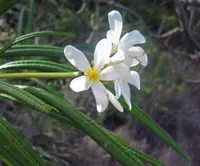
This species has asymmetrical, fan-shaped blooms where all petals appear on one side, an adaptation that helps guide pollinators efficiently toward the nectar and reproductive organs.

Salt-tolerant coastal native

It is naturally distributed along sandy, often saline coastal habitats in eastern Australia, where its thick, somewhat succulent leaves and tough stems help it withstand salt spray and drought.

Heat and drought resilience

In its native range, this plant flowers reliably through hot, dry conditions, staying in bloom when many other species slow down, which is why growers often recommend Scaevola aemula plant care for harsh summer climates.

Botan icon

Did you know?

In coastal ecosystems of eastern Australia, this plant often forms low, spreading mats that help stabilize sandy soils, reducing erosion and providing shelter for small invertebrates and ground-dwelling animals.

FAQs about Fairy Fan-flower

Lack of blooms usually comes from insufficient light, old or exhausted potting mix, or heavy, high-nitrogen fertilizer. Regular deadheading and moderate feeding with a balanced, phosphorus-containing fertilizer often restores flowering and supports how to take care of Fairy Fan-flower effectively.

Grow Healthy Plants with Botan Care

Keep your plants happy and healthy with plant identification, disease detection, and easy care guidance.

Botan plant care app — identify plants on mobile

Explore More Plants