Indian plum Care (Oemleria cerasiformis)

Also known as: Osoberry
Indian plum

About Indian plum

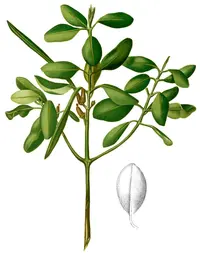
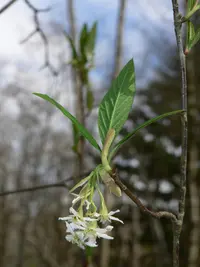
Indian plum, Oemleria cerasiformis, is a fast-growing deciduous shrub or small tree native to the Pacific Northwest of North America. It is one of the earliest shrubs to leaf out and bloom in late winter to early spring, with dangling clusters of small white flowers. The plant typically forms loose thickets and has narrow, bright green leaves with a distinct cucumber-like scent when crushed. It prefers moist, well-drained soils and partial shade, making it suitable for naturalistic or woodland-style plantings. For gardeners learning how to care for Indian plum, its adaptability and general toughness usually make it a low-maintenance choice in suitable climates.

Main Plant Requirements

Care Difficulty

Easy Care

Light Preference

Partial Shade

Water Requirements

Moderate Water

Temperature Preference

Cold Hardy

Hardiness Zone

6–9

Soil Texture

Loamy, Sandy, Organic-rich

Soil pH

Acidic (5.5–6.5), Slightly acidic (6.5–7.0)

Soil Drainage

Moist but well-drained

Fertilization

Minimal (feed rarely)

Get Personalized Care Plan

Scan your plant to receive care tips personalized for your specific plant

Available on iOS and Android

How to Care for the Indian plum

This deciduous shrub prefers bright conditions that mimic its native Pacific Northwest woodlands.

  • Provide 4–6 hours of light daily with morning sun and afternoon shade; dappled or filtered light under taller trees suits Indian plum well.
  • Tolerates partial shade, but in deep shade flowering and fruiting decline and stems become sparse and leggy over time.
  • In hotter regions, protect from harsh sun between 12–4 pm to prevent leaf scorch, especially during late spring and summer.

This species prefers steadily moist but not saturated soil, especially during its spring growth flush.

  • During the growing season, water when the top 3–5 cm of soil feels slightly dry and foliage just begins to lose some firmness.
  • Use well-drained, humus-rich soil; standing water, sour smell, or yellowing soft leaves indicate excess moisture and risk of root rot in Oemleria cerasiformis.
  • In established plants, reduce supplemental water in late summer and fall, allowing soil to dry a bit deeper, but avoid prolonged bone-dry conditions that cause leaf drop.

This hardy shrub is adapted to cool, moist climates with distinct winters and mild summers.

  • Active growth is strongest around 50–70°F (10–21°C), matching its early-spring leafing and flowering period.
  • Mature plants tolerate about 0°F (−18°C) once established; short dips below this may damage young shoots but roots often survive with mulch.
  • Handles summer highs up to about 85–90°F (29–32°C) if soil stays moist and roots are mulched, but extended hotter periods can stress foliage and reduce next year’s bloom.

Oemleria cerasiformis handles a wide humidity range and rarely needs special humidity management outdoors.

This shrub prefers loose, moist, well-drained soil that mimics its woodland edge habitat.

  • Use a deep, loamy mix rich in organic matter, such as garden loam blended with leaf mold or compost.
  • Ensure drainage is steady but not fast by avoiding pure sand and mixing in 20–40% composted material.
  • Aim for slightly acidic to neutral pH around 5.5–7.0, which supports healthy root and foliage development.
  • Improve aeration and prevent compaction by incorporating fine bark or coarse compost rather than dense clay-heavy subsoil.

This species can be grown in containers for several years, but requires careful size and moisture management.

  • Choose a tall, heavy container to anchor the shrub’s upright, suckering habit and reduce tipping in wind.
  • Select a potting mix that drains freely yet stays evenly moist, such as woody shrub mix with extra composted bark.
  • Position the container where runoff can escape freely, since this species dislikes standing water around its fine feeder roots.

This native shrub generally needs minimal feeding in garden soil.

  • Use a light top-dress of compost or well-rotted leaf mold in early spring to support steady growth.
  • If soil is poor, apply a balanced slow-release fertilizer (around 10-10-10) once in spring at half label rate.
  • Avoid summer and fall feeding so new growth hardens before winter dormancy.
  • Container-grown Indian plum may need diluted liquid fertilizer (1/2 strength) every 4–6 weeks in spring–early summer only.

Pruning Oemleria cerasiformis is mainly done to maintain structure and remove problem wood.

  • Prune just after flowering in spring so flower buds for next year are not removed.
  • Use clean, sharp hand pruners or loppers to cut out dead, damaged, or diseased branches first.
  • Thin congested interior stems to improve light and air movement, keeping the natural arching form.
  • Shorten overly long shoots selectively at a branch junction to control size without shearing.

This species is usually grown in the ground, so transplanting matters more than container repotting.

  • Transplant young shrubs in late fall or very early spring while dormant for least stress.
  • Choose a site with moist, well-drained soil and partial shade, matching the original planting depth.
  • Move only younger plants; mature shrubs resent disturbance and may recover slowly after transplanting.
  • Water deeply after moving, then keep soil evenly moist and mulched to support root re-establishment.

Propagation of this shrub is possible from both seed and vegetative material, though it is moderately slow.

  • Collect ripe fruits in late summer, clean seeds, and sow outdoors in fall for natural cold stratification.
  • For controlled seed work, stratify cleaned seed in moist medium at 35–40°F for 3–4 months, then sow.
  • Take semi-ripe cuttings in mid to late summer and root them in a loose, well-drained, slightly shaded medium.
  • Maintain high humidity around cuttings using a dome or plastic cover, and keep temperatures around 65–70°F.

This shrub is cold hardy in much of its native range and usually needs little winter care in the ground.

  • In regions with severe freezes or exposed sites, apply 5–8 cm of organic mulch over the root zone in late fall.
  • Avoid heavy pruning or high-nitrogen feeding late in the season so new shoots mature before freezing weather.
  • For container plants in cold climates, move pots into a sheltered unheated garage or against a protected wall.

Care Tips

Understory placement

Site plants beneath open-canopy trees or on a cool north or east slope to mimic natural woodland edges and reduce stress from heat and wind when growing Indian plum.

Root-zone protection

Apply a wide, thin layer of arborist wood chips around the drip line to keep the shallow root system cool, conserve soil moisture, and suppress competing weeds without crowding the trunk.

Manage suckering

Inspect yearly for basal suckers and remove only those needed to control spread, allowing a few well-placed shoots to mature if a thicket or privacy screen is desired.

Pollination planning

Plant at least one male and one female shrub within 5–10 m and avoid heavy shearing during late winter to preserve flower buds and support reliable fruit set.

Wildlife browsing control

Use low, breathable fencing or individual trunk guards in areas with deer or rabbits, especially during establishment, to prevent repeated browsing of young shoots and buds.

Common Pests and Diseases

Tent caterpillars

These insects form silky webbed tents on branches and can defoliate shrubs in early spring. Symptoms include chewed leaves, webbing in branch crotches, and clusters of caterpillars feeding together.

Solution

Prune out and destroy tents as soon as they appear, ideally in the early morning or evening when caterpillars are inside. For heavier infestations, hand-pick caterpillars or use a targeted biological control such as Bacillus thuringiensis (Bt) applied according to label directions, avoiding spray drift onto non-target plants and pollinators.

Aphids

These insects cluster on young shoots and leaf undersides, sucking sap and excreting sticky honeydew that can attract sooty mold. Symptoms include curled or distorted new leaves and a general decline in vigor on affected shoots.

Solution

Wash colonies off with a firm stream of water and remove heavily infested shoot tips. If needed, apply insecticidal soap or horticultural oil, thoroughly coating leaf undersides, and encourage natural predators such as lady beetles by avoiding broad-spectrum insecticides when caring for Indian plum.

Powdery mildew

This disease causes a white or gray powdery coating on leaves, especially in shaded or crowded plantings with limited air movement. Symptoms include distorted new growth and premature leaf drop if infections are heavy.

Solution

Thin surrounding vegetation to improve air circulation and ensure the shrub receives adequate light. Remove and dispose of heavily affected leaves, and where problems recur, use a labeled fungicide such as a sulfur or potassium bicarbonate product applied at the first sign of symptoms.

Leaf spot

This disease produces small brown or purplish spots on leaves that may enlarge and sometimes cause partial yellowing and early leaf drop. Symptoms include scattered spotting across the canopy, often worse on lower or interior leaves where foliage stays damp longer.

Solution

Rake and discard fallen leaves to reduce overwintering spores and avoid overhead watering that keeps foliage wet. Where leaf spot is severe in the same site year after year, improve airflow around plants and consider a preventive fungicide spray early in the season according to regional extension recommendations.

Interesting Facts

Earliest blooming shrub

This species is one of the first native shrubs to flower in late winter to very early spring in the Pacific Northwest, often blooming before leaf-out and while snow may still be on the ground.

Dioecious spring blooms

Plants are typically dioecious, meaning male and female flowers occur on separate individuals, and the small greenish-white blossoms provide an early nectar and pollen source for emerging insects.

Fruit liked by wildlife

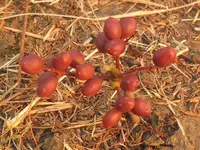
The pea-sized drupes turn from yellow to dark bluish-black as they ripen and are readily eaten by birds and small mammals, which help disperse the seeds in forest understories.

Botan icon

Did you know?

This shrub is considered a key indicator of low to mid-elevation moist forests and streamside habitats in the Pacific Northwest, often signaling relatively undisturbed native plant communities where it forms part of the early-successional shrub layer under conifers and deciduous trees.

FAQs about Indian plum

This shrub grows at a moderate to fast rate, often adding 20–45 cm per year in suitable conditions. Growth is quickest in moist, well-drained soil with light shade and consistent moisture, especially during the first few years.

Grow Healthy Plants with Botan Care

Keep your plants happy and healthy with plant identification, disease detection, and easy care guidance.

Botan plant care app — identify plants on mobile

Explore More Plants