Dove tree Care (Davidia involucrata)

Also known as: Ghost Tree, Handkerchief Tree
Dove tree

About Dove tree

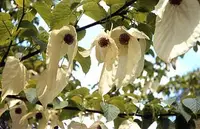
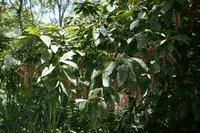
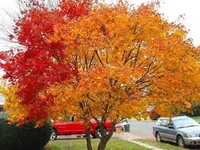
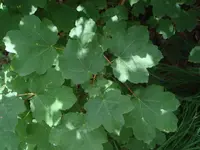
The dove tree, Davidia involucrata, is a deciduous flowering tree valued for its striking spring display. It produces large white bracts that hang like handkerchiefs around small flower clusters. Mature trees develop a broad, rounded crown with layered branches and heart-shaped, serrated leaves that turn yellow in fall. In nature it occurs in mountain forests of central and southwestern China, where it grows in cool, moist conditions. This species can be moderately challenging, as it grows slowly, may take years to flower, and dislikes hot, dry sites. Gardeners who learn how to care for Dove tree focus on consistent moisture, fertile, well-drained soil, and shelter from strong heat or wind.


Main Plant Requirements

Care Difficulty

Moderate Care

Light Preference

Partial Shade

Water Requirements

Regular Water

Temperature Preference

Cool Climate

Hardiness Zone

6–8

Soil Texture

Loamy, Silty, Organic-rich

Soil pH

Acidic (5.5–6.5), Slightly acidic (6.5–7.0)

Soil Drainage

Moist but well-drained

Fertilization

Minimal (feed rarely)

Get Personalized Care Plan

Scan your plant to receive care tips personalized for your specific plant

Available on iOS and Android

How to Care for the Dove tree

This deciduous tree prefers bright, gentle light conditions to develop a balanced crown and good flowering.

  • Provide 4–6 hours of morning sun with light shade or dappled light in the afternoon, especially in hotter regions.
  • Site Dove tree in partial shade where it receives filtered light under taller trees to protect foliage from leaf scorch.
  • In cool climates it tolerates more direct sun, but in summer watch for pale, crispy leaf edges, which signal excess exposure or reflected heat.

This species prefers evenly moist, well-drained soil rather than frequent, shallow watering.

  • Water deeply when the top 3–5 cm of soil feel dry, allowing moisture to reach the full root zone without leaving the soil saturated.
  • In the first 2–3 years after planting, monitor closely in dry spells and water during prolonged periods without steady rain.
  • Reduce supplemental watering in fall and winter; watch for yellowing, soft leaves as a sign of overwatering and limp, curling leaves as a sign of drought stress.

This temperate tree prefers cool to mild conditions and does not perform well in extreme heat or very mild winters.

  • Optimal growth occurs around 55–75°F (13–24°C), especially in spring and early summer when new shoots and bracts develop.
  • Mature trees tolerate winter lows down to about -10°F (-23°C) once established, but young plants benefit from wind protection and mulch over the root zone.
  • Extended heat above 85–90°F (29–32°C) can stress Davidia involucrata, so provide afternoon shade and consistent soil moisture during hot periods.

Davidia involucrata prefers moderately moist air but usually manages well in typical outdoor garden humidity.

  • Aim for ambient humidity around 40–60% in sheltered planting sites, avoiding extremely arid, exposed positions.
  • Leaves may show browning edges or tip scorch in prolonged hot, dry winds combined with low humidity.
  • In drier climates, plant near other shrubs or mulch the root zone to help maintain slightly higher local humidity around the canopy.

Davidia involucrata grows best in deep, moist, well-drained, humus-rich soil.

  • Use a loamy soil with a crumbly structure that holds moisture yet drains freely, avoiding heavy compaction.
  • Aim for slightly acidic to neutral pH (6.0–7.0) to support nutrient availability and healthy root function.
  • Incorporate generous compost and leaf mold to increase organic content, improve structure, and support stable moisture.
  • Avoid poorly drained clay pockets or sites that flood, and amend dense soil with coarse sand or fine bark to enhance aeration.

This species is only moderately suitable for container growing and works best in large, long-term outdoor tubs.

  • Choose a very large, deep container that allows a broad root system to develop without quickly becoming confined.
  • Use a heavy, frost-resistant pot material to add stability for the tall, wind-sensitive canopy.
  • Raise the container on feet or blocks so drainage holes stay clear and water can escape rapidly after rainfall or irrigation.

Mature Davidia involucrata trees need modest feeding in reasonably fertile soil.

  • Apply a balanced slow-release fertilizer (around 10-10-10) in early spring at label rates to support steady growth.
  • In poorer soils, top-dress with 2–5 cm of compost over the root zone once a year, keeping it off the trunk.
  • Skip additional feeding in mid-fall and winter, as the tree is dormant and excess nutrients can leach or burn roots.

Pruning Davidia involucrata is light and mainly focused on structure and health.

  • Time any pruning for late winter or very early spring before active growth begins.
  • Remove dead, damaged, crossing, or inward-growing branches with clean, sharp bypass pruners or a pruning saw.
  • Thin congested interior branches selectively to improve light and air flow while keeping the natural, open form.
  • Limit cuts on older wood; focus on small to medium branches to avoid stressing the tree.

Dove tree is usually grown in the ground and dislikes frequent moving once established.

  • Transplant young Davidia involucrata trees in early spring or early fall when temperatures are mild.
  • Look for circling roots, root-bound containers, or poor growth as signs a nursery plant needs a larger pot or ground planting.
  • Dig a wide planting hole, disturb circling roots gently, and water deeply to settle soil and reduce root stress.
  • Mulch 5–8 cm around, not touching the trunk, and keep soil evenly moist during the first 1–2 growing seasons.

Propagation of Davidia involucrata is slow and best suited to patient growers or nursery conditions.

  • Sow fresh seeds outdoors in fall to allow natural cold stratification, which breaks dormancy over 1–2 winters.
  • Alternatively, cold-stratify cleaned seed in moist medium at 35–40°F for several months before spring sowing.
  • Take semi-ripe cuttings in mid to late summer, use rooting hormone, and place in a warm, humid, bright but shaded environment.
  • Layering low, flexible branches can be attempted in spring, leaving them undisturbed until strong roots form.

Established Davidia involucrata trees are reasonably cold hardy in many temperate climates and need limited winter care.

  • In colder regions, apply 5–8 cm of mulch over the root zone in late fall, keeping it a few cm from the trunk.
  • Young or newly planted trees benefit from burlap windbreaks to reduce desiccation and bark stress.
  • Container-grown specimens in cooler zones should be moved to a sheltered, frost-free but cool location for winter.

Care Tips

Establish strong framework

During the first 3–5 years, select 1 straight central leader and 3–5 well-spaced main branches, removing competing leaders and very low branches to build a stable structure that can carry the heavy flowering bracts later in life.

Protect from late frost

In areas with spring frosts, plant on a slight slope or near a windbreak and avoid low frost pockets, and cover young trees with breathable frost cloth on nights forecast below 30°F once flower buds begin to swell.

Mulch for cool roots

Maintain a 5–8 cm layer of shredded bark or leaf mold over the root zone, keeping it 5–8 cm away from the trunk flare, to keep roots cool, conserve moisture, and reduce weed competition without risking rot.

Guard delicate bark

Wrap the trunk of young trees with a light-colored tree guard or use a shade board on the southwest side to prevent sunscald and bark cracking, especially in the first 5–7 years.

Plan for long term

When growing Dove tree, allow at least a 5–6 m radius of open space away from buildings and large trees so roots and canopy can expand fully, improving airflow and long-term flowering performance.

Common Pests and Diseases

Leaf spot

This disease causes irregular brown or black spots on leaves that may merge, leading to early leaf drop in warm, wet conditions.

Solution

Remove and dispose of heavily spotted leaves, clear fallen leaf litter, and prune for better air circulation; in repeatedly wet seasons, a copper- or chlorothalonil-based fungicide labeled for ornamental trees can be applied according to label directions at bud break and during prolonged wet periods.

Powdery mildew

This disease produces a white, powdery film on young leaves and shoots, which can lead to distortion and reduced vigor in shaded, humid sites.

Solution

Improve light and air movement by thinning crowded branches, avoid overhead watering, and, if needed, use a systemic or contact fungicide labeled for powdery mildew on ornamental trees, starting at first signs of infection.

Aphids

These insects feed on tender shoots and leaf undersides, causing curling, distortion, and sticky honeydew that can attract sooty mold.

Solution

Spray colonies off with a strong stream of water, encourage natural predators such as lady beetles, and, if populations remain high, use insecticidal soap or a light horticultural oil thoroughly on infested shoot tips and leaf undersides.

Scale insects

These pests appear as small, immobile bumps on stems and leaf veins, extracting sap and causing yellowing foliage, reduced growth, and sticky honeydew deposits.

Solution

Prune out heavily infested twigs, gently scrape or rub off individual scales, and apply horticultural oil during the dormant season or at crawler stage, ensuring complete coverage of branches and stems.

Leaf scorch

Symptoms include browning and drying of leaf margins and tips, often during hot, dry, or windy weather, especially on young trees or those with shallow roots.

Solution

Reduce stress by maintaining even soil moisture with deep, infrequent watering, apply mulch 5–8 cm deep to keep roots cool, and site trees where they are sheltered from strong drying winds; consistent Davidia involucrata care that avoids drought stress helps prevent recurrent scorch.

Interesting Facts

Floating bract display

The showy white “dove” or “handkerchief” effect comes from two large papery bracts that surround the small, clustered flowers, an unusual floral structure among temperate trees.

Rare relict lineage

This species is a living relict from an ancient lineage of broadleaf trees in East Asia and has no close wild relatives in Europe or North America, which adds to its botanical interest.

Late and slow reproduction

Trees usually start flowering only after 10–20 years and the large, nut-like fruits can take around 18 months to mature, so natural regeneration tends to be slow.

Botan icon

Did you know?

The species was first described for Western science from material collected in China by the French missionary-botanist Armand David in the 19th century, and it became famous in European gardens after plant hunter Ernest Henry Wilson introduced it to cultivation in the early 1900s.

FAQs about Dove tree

Flowering is often delayed until the tree is 8–15 years old. Lack of bloom also relates to insufficient light, heavy pruning of young wood, drought stress, or excess nitrogen fertilizer. Stable conditions are essential for growing Dove tree successfully.

Grow Healthy Plants with Botan Care

Keep your plants happy and healthy with plant identification, disease detection, and easy care guidance.

Botan plant care app — identify plants on mobile

Explore More Plants