Balkan maple Care (Acer hyrcanum)

Balkan maple

About Balkan maple

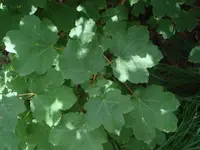
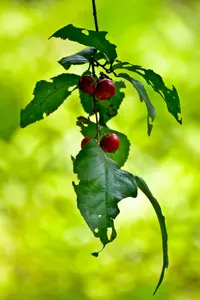
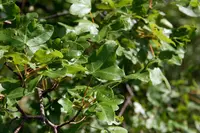
Balkan maple, Acer hyrcanum, is a small to medium deciduous tree valued for its rounded crown and attractive, deeply lobed green leaves that turn warm colors in autumn. It typically has a relatively compact, balanced form that suits gardens, parks, and naturalistic plantings.

This species is native to southeastern Europe and parts of southwestern Asia, where it grows in rocky woodlands and mountain slopes. It is generally hardy and adaptable, which makes it easier to care for Balkan maple than many more delicate ornamental trees.

It prefers sun to light shade, moderately moist but well-drained soil, and benefits from protection from extreme urban stress or prolonged drought.

Main Plant Requirements

Care Difficulty

Moderate Care

Light Preference

Full Sun

Water Requirements

Moderate Water

Temperature Preference

Cold Hardy

Hardiness Zone

5–8

Soil Texture

Loamy, Sandy, Clay

Soil pH

Slightly acidic (6.5–7.0), Neutral (7.0)

Soil Drainage

Well-drained

Fertilization

Minimal (feed rarely)

Get Personalized Care Plan

Scan your plant to receive care tips personalized for your specific plant

Available on iOS and Android

How to Care for the Balkan maple

Acer hyrcanum performs best in bright conditions that balance direct sun with some protection from harsh heat.

  • Provide 4–6 hours of direct morning sun with light afternoon shade, especially in hotter regions, to support strong growth and good autumn color.
  • Tolerates partial shade, but in sites with less than 3–4 hours of sun per day, expect looser branching and paler foliage on Balkan maple.
  • In summer, shield from intense late-afternoon sun to reduce leaf scorch, while in spring and autumn it can handle more open exposure.

Acer hyrcanum prefers evenly moist, well-drained soil rather than frequent shallow watering.

  • Allow the top 3–5 cm of soil to dry before deep watering, aiming for slow soaking that reaches the full root zone rather than quick surface wetting.
  • During the first 2–3 growing seasons, monitor after warm, dry spells; drooping young leaves signal thirst, while yellowing leaves and soft stems suggest overwatering or poor drainage.
  • Plant in soil that drains freely; avoid standing water around the base, and reduce watering frequency in the dormant winter period once leaves have fallen.

This species is a hardy outdoor maple that tolerates cold winters and mild to warm summers when temperature extremes are limited.

  • Optimal growing temperatures are around 60–77°F (16–25°C) in spring and early summer, which support steady shoot and leaf development.
  • Mature trees tolerate winter lows down to about 0°F (−18°C) once established, but young plants benefit from mulch to buffer root-zone freezes.
  • In hot climates, prolonged periods above 90°F (32°C) combined with dry wind can scorch leaves, so provide soil moisture, light shade, and wind protection during heatwaves.

Acer hyrcanum tolerates a wide humidity range and usually does not need special humidity control outdoors.

  • Performs well in 30–60% humidity typical of most temperate outdoor climates.
  • Handles brief dry air periods, but combined with heat and wind it may show marginal leaf browning and crisp edges.
  • In exposed, dry sites, reduce humidity stress by adding mulch over the root zone and providing wind shelter for young Balkan maple plants.

Acer hyrcanum prefers moderately moist, well-drained mineral soil with some organic matter.

  • Use a loamy or sandy-loam soil that is crumbly, not compacted, to support steady root growth.
  • Aim for slightly acidic to neutral pH, roughly 6.0–7.5, which supports nutrient uptake without toxicity issues.
  • Incorporate 20–30% compost into the top 20–30 cm to improve structure, moisture retention, and microbial activity.
  • Avoid heavy clay that stays waterlogged; improve drainage by working in coarse sand or fine gravel to increase aeration.

This species can be grown in containers for several years, especially as a young specimen or patio tree.

  • Choose a deep, wide container that allows a spreading woody root system rather than forcing tight circling roots.
  • Select a heavy, stable pot material such as thick ceramic or concrete to reduce tipping in wind as the canopy enlarges.
  • Use a free-draining potting mix and elevate the container slightly so drainage holes never sit in standing water.

Acer hyrcanum usually needs only modest feeding, especially when planted in fertile garden soil.

  • Apply a balanced slow-release fertilizer (around 10-10-10) in early spring at label rates for trees.
  • Use a light top-dressing of compost around the root zone once a year to support soil structure and biology.
  • Skip summer high-nitrogen products to avoid overly soft growth that is prone to wind or frost damage.
  • Stop fertilizing by late summer and do not feed during winter dormancy.

Acer hyrcanum benefits from light, targeted pruning to maintain a healthy, stable crown.

  • Carry out main structural pruning in late winter to early spring before bud break.
  • Remove dead, diseased, crossing, or inward-growing branches to improve airflow and reduce disease pressure.
  • Thin crowded twigs rather than shortening all tips to keep a natural form and balanced canopy.
  • Use clean, sharp bypass pruners or a pruning saw, making smooth cuts just outside the branch collar.

This maple is usually grown in the ground, so focus on thoughtful transplanting rather than frequent repotting.

  • Transplant young trees in late autumn or early spring when the plant is dormant and soil is workable.
  • Look for signs such as roots circling a nursery pot or water running off quickly to know a container plant needs a larger size.
  • Move up only 1–2 pot sizes or into a prepared ground site with well-drained, moderately fertile soil.
  • Reduce root stress by watering deeply before and after planting, keeping the root ball intact, and shading the tree during the first weeks.

Acer hyrcanum is typically propagated from seed, with some growers also using grafting for selected forms.

  • Collect ripe seeds in autumn, then cold stratify for 60–120 days at about 35–40°F to break dormancy.
  • Sow stratified seed in a free-draining, slightly moist medium and keep cool, bright conditions for germination in spring.
  • Softwood or semi-ripe cuttings in early summer root only moderately well and need high humidity and bottom warmth.
  • Label parent trees when collecting to track traits, an important step when growing Balkan maple for specific characteristics.

This species is generally cold hardy in temperate climates and needs minimal winter care once established.

  • In regions with severe freezes, apply a 5–8 cm mulch layer around the root zone, keeping it away from the trunk.
  • For young or container-grown trees, shelter from harsh wind and extreme freeze-thaw swings.
  • Move containers to an unheated garage, shed, or sheltered wall area where roots stay above about 20°F.

Care Tips

Wind-hardening young trees

For the first 2–3 years, gradually expose young trees to stronger wind by reducing shelter and avoiding tight staking so trunks flex slightly and develop stronger wood and anchoring roots.

Root flare protection

Keep the root flare visible and free from mulch or soil piled against the trunk to reduce risk of bark rot and girdling roots, especially important on heavier clay sites.

Summer heat adjustment

In regions with hot, dry summers, use a light-colored organic mulch and underplant with drought-tolerant groundcovers to keep roots cooler and more stable while growing Balkan maple.

Preventing bark scorch

On newly planted specimens with thin bark, wrap the southwest side of the trunk with a breathable tree guard from late fall to early spring to reduce sunscald and frost cracking.

Structural branch training

During the first 5–7 years, select a single central leader and remove or shorten steep, narrow-angle branches early to build a stable framework that resists storm damage later in life.

Common Pests and Diseases

Verticillium wilt

This disease causes progressive wilting and dieback, often starting on one side of the tree, with discolored streaks sometimes visible in cut branches. Symptoms include sparse foliage, small leaves, and branches that fail to leaf out in spring.

Solution

Remove and destroy dead or severely affected branches, cutting back to healthy wood and disinfecting tools between cuts. Keep the tree well watered during dry periods, mulch to protect roots, avoid root damage, and do not replant susceptible maples in the same spot if the tree dies, since the fungus persists in soil.

Tar spot

This disease produces yellow spots on leaves that develop into raised, black, tar-like patches later in the season. Symptoms include mostly cosmetic damage, with early leaf drop in heavy infections.

Solution

Rake and remove fallen leaves in autumn to reduce spores that overwinter in leaf litter. In landscapes where caring for Balkan maple focuses on appearance, maintain good spacing and airflow; chemical control is rarely needed for this largely cosmetic issue.

Leaf scorch

This disorder leads to browning and drying of leaf edges, often during hot, dry, or windy weather, especially on exposed sites or shallow soils. Symptoms include marginal leaf burn while veins remain green, and sometimes premature leaf drop.

Solution

Provide regular deep watering during dry spells, especially for young trees, and maintain a 5–8 cm mulch layer over the root zone, keeping mulch away from the trunk. Reduce heat and wind stress by avoiding highly exposed planting sites and preventing soil compaction around the roots.

Aphids

These insects cluster on young shoots and leaf undersides, sucking sap and causing curled or distorted leaves and sticky honeydew that can attract sooty mold. This pest is most noticeable on tender spring growth and in sheltered sites.

Solution

Dislodge colonies with a strong stream of water from a hose and prune heavily infested soft tips if practical. Encourage natural predators such as lady beetles, and if populations remain high, use a targeted insecticidal soap or horticultural oil, applied thoroughly to leaf undersides according to label directions.

Gall mites

These pests cause small, raised, often reddish or wart-like galls on the upper leaf surface, which can look alarming but usually cause limited stress to the tree. Symptoms include scattered deformities on leaves, sometimes more pronounced on particular branches or trees from year to year.

Solution

Prune and dispose of heavily affected leaves or small twigs early in the season if feasible, but broad treatment is usually unnecessary. Maintain general tree vigor through proper watering and mulching, as healthy Acer hyrcanum can tolerate mite galls with little long-term impact.

Interesting Facts

Relict Balkan species

Acer hyrcanum is a relict maple native mainly to the Balkan Peninsula and parts of western Asia, where it has survived since earlier, cooler climatic periods in isolated mountain and submontane forests.

Limestone specialist

This species often grows on calcareous, rocky slopes and limestone substrates, showing a notable tolerance for alkaline, shallow soils where many other broadleaf trees struggle.

Variable leaf forms

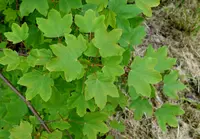
Its leaves are usually 3–5 lobed with relatively shallow sinuses, but populations show marked variation in lobe depth and shape across its range, which has led to the description of several regional subspecies and forms.

Botan icon

Did you know?

Acer hyrcanum plays an important role in mixed mountain forests by forming part of the understory to mid-canopy layer, where its relatively early leaf-out and dense foliage help shade and protect moisture-dependent woodland herbs and seedlings beneath it.

FAQs about Balkan maple

This species grows at a moderate rate, typically adding 20–40 cm of height per year in good conditions. Growth is faster in deep, moist, well-drained soil and cooler climates, slower in heat, drought, or poor soil.

Grow Healthy Plants with Botan Care

Keep your plants happy and healthy with plant identification, disease detection, and easy care guidance.

Botan plant care app — identify plants on mobile

Explore More Plants