Mowing height management
Maintain a mowing height of 7–10 cm in mixed native plantings to encourage deep rooting, reduce weed pressure, and help the grass tolerate summer stress without scalping the crowns.

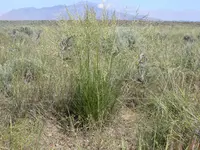
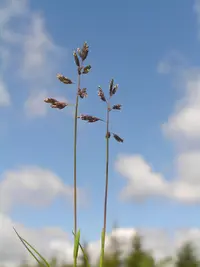
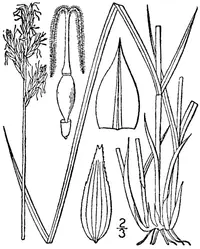
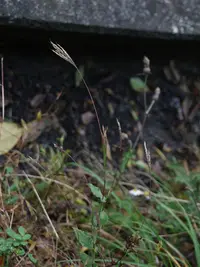
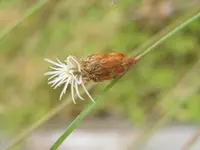
Sandberg bluegrass (Poa secunda) is a small, cool-season bunchgrass native to dry regions of western North America. It commonly grows in open rangelands, prairies, and rocky slopes. The plant forms fine-textured clumps with narrow leaves and delicate, airy flower heads that give a soft, tufted look in mixed plantings. It is valued in restoration, erosion control, and low-input landscapes because it tolerates poor soils and periodic drought once established. Growth is generally slow to moderate, and it competes best in sunny, open sites with well-drained soil. These durable traits make it relatively straightforward to care for Sandberg bluegrass in suitable climates.

Care Difficulty
Easy Care

Light Preference
Full Sun

Water Requirements
Low Water

Temperature Preference
Cold Hardy

Hardiness Zone
4–10

Soil Texture
Sandy, Loamy, Rocky

Soil pH
Slightly acidic (6.5–7.0), Neutral (7.0)

Soil Drainage
Well-drained

Fertilization
Minimal (feed rarely)
Scan your plant to receive care tips personalized for your specific plant
Available on iOS and Android
Poa secunda prefers open sites with plenty of light but can tolerate some shade, especially in hotter regions.
Poa secunda is drought-tolerant once established and prefers infrequent, deeper watering rather than frequent light applications.
This cool-season grass grows best in mild conditions and stays resilient across a wide temperature range common in its native western habitats.
This grass tolerates a wide humidity range and rarely needs special humidity management outdoors.
Poa secunda grows best in lean, well-drained mineral soils rather than rich, heavy substrates.
This bunchgrass can be grown in containers, mainly for native plant displays, trials, or seed increase plantings.
This drought-adapted native grass, including Sandberg bluegrass forms of Poa secunda, generally needs minimal fertilization in average soils.
Poa secunda benefits from occasional light pruning to maintain a tidy, upright clump and encourage fresh growth.
This grass is more often grown in the ground than in containers, so care usually focuses on transplanting field- or nursery-grown Poa secunda.
Poa secunda is commonly propagated by seed and by division of established clumps for restoration and garden use.
This cool-season grass is generally cold hardy in much of its native range and needs little winter care.

Plant Health Check
Not sure what's wrong with your plant? Check your plant's health inside the app.
This bunchgrass is one of the first native grasses to begin growing in late winter to early spring across the Intermountain West, providing critical early forage for wildlife and livestock before many other species green up.
Its fine, dense root system allows it to persist on dry, shallow, or coarse soils where many other cool‑season grasses fail, making it a core species in arid and semi‑arid steppe and sagebrush communities.
The tufted growth form and fibrous roots help bind fragile slopes and disturbed soils, so land managers often use this species in restoration seed mixes to reduce erosion and support long‑term plant community recovery.

Genetic and morphological variation within this species is so broad that it has been treated both as multiple separate species and as a single highly variable one, and it has been important in taxonomic studies that examine how to classify complex grass groups in western North America.
This bunchgrass is a cool-season perennial. Individual plants can live several years, often persisting through dry summers by going semi-dormant, then resuming growth with cooler, moist conditions in spring and fall when resources improve.
Keep your plants happy and healthy with plant identification, disease detection, and easy care guidance.