Pinch For Bushiness
Pinch back soft shoot tips every 2–3 weeks in early growth to encourage more lateral branches and a denser flowering canopy rather than tall, open stems.

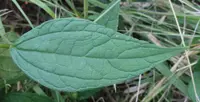
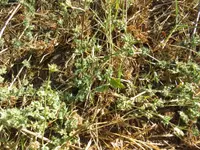
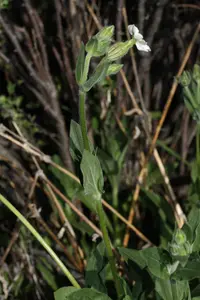
Blainvillea gayana is a small, fast-growing herb in the daisy family, usually forming low, spreading mats with fine stems and small, yellow, daisy-like flowers. It often appears in disturbed sites, roadsides, and open grasslands in tropical and subtropical regions, where it behaves as a resilient pioneer plant.
This species grows quickly from seed, competes well with other low vegetation, and tolerates heat and poor soils, which makes it relatively easy to manage in simple plantings. Light, well-drained soil and regular but moderate moisture are usually enough to care for Blainvillea gayana in suitable climates.

Care Difficulty
Moderate Care

Light Preference
Full Sun

Water Requirements
Moderate Water

Temperature Preference
Tropical / Frost Sensitive

Hardiness Zone
10–11

Soil Texture
Sandy, Loamy, Organic-rich

Soil pH
Acidic (5.5–6.5), Slightly acidic (6.5–7.0)

Soil Drainage
Well-drained

Fertilization
Minimal (feed rarely)
Scan your plant to receive care tips personalized for your specific plant
Available on iOS and Android
This sun-loving species thrives in open, bright positions in mild to warm climates.
This plant prefers moderately moist, well-drained soil and does not tolerate prolonged saturation.
This species is best suited to warm, frost-free conditions with stable seasonal temperatures.
This species tolerates a wide humidity range and usually needs no special humidity management outdoors.
This species prefers light, well-drained mineral soils that do not stay wet after rainfall or irrigation.
This species is suitable for container growing where spread and height need controlled space.
This sun-loving wildflower usually manages with modest feeding, especially in reasonably fertile garden soil.
Light pruning helps maintain a compact, floriferous habit without stressing this plant.
This species is more often grown in the ground, but young plants in containers benefit from occasional transplanting.
Propagation is usually done from seed, with cuttings as a secondary option for selected forms.
This warm-season plant suits mild, frost-free climates and needs protection in colder regions.

Plant Health Check
Not sure what's wrong with your plant? Check your plant's health inside the app.
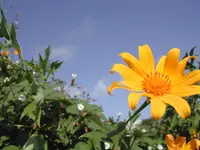
The yellow ray florets on each flower head fall off relatively quickly and are then replaced by new ones from the same head, so a single head can appear to flower for an extended period even though individual florets are short-lived.
This annual herb sets many small, wind-dispersed cypselae (dry one-seeded fruits), which helps it colonize disturbed sites such as roadsides, field margins, and open pastures in tropical and subtropical regions.
The species grows in a wide range of soils, from sandy to clayey, and tolerates seasonal drought, which explains its success as a ruderal plant in both natural grasslands and human-modified landscapes.
This species is typically grown as an annual, completing its life cycle in a single growing season. In frost-free, warm climates it may behave as a short-lived perennial, but cold temperatures usually kill top growth.
Keep your plants happy and healthy with plant identification, disease detection, and easy care guidance.