Dicliptera verticillata Care

About Dicliptera verticillata

Dicliptera verticillata is a small, branching perennial often grown as a low ornamental or filler plant in warm climates. It belongs to the Acanthaceae family, which includes many tropical and subtropical species.

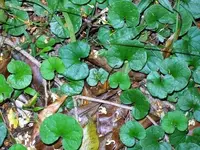
The plant typically forms a loose clump of upright to arching stems with simple green leaves and small tubular flowers that attract pollinators. It is native to parts of tropical and subtropical regions, where it grows in open, seasonally moist habitats.

In cultivation, it is generally considered manageable for gardeners who understand basic watering and soil needs. Knowing how to care for Dicliptera verticillata starts with providing warmth, good light, and a well-drained but evenly moist soil.

Main Plant Requirements

Care Difficulty

Moderate Care

Light Preference

Partial Sun

Water Requirements

Moderate Water

Temperature Preference

Warm Climate

Hardiness Zone

Unknown

Soil Texture

Loamy, Sandy, Organic-rich

Soil pH

Acidic (5.5–6.5), Slightly acidic (6.5–7.0)

Soil Drainage

Well-drained

Fertilization

Minimal (feed rarely)

Get Personalized Care Plan

Scan your plant to receive care tips personalized for your specific plant

Available on iOS and Android

How to Care for the Dicliptera verticillata

This species grows best in bright outdoor conditions with protection from intense midday rays.

  • Provide 4–6 hours of direct morning sun with light or dappled shade in the afternoon, especially in hot summer climates.
  • Tolerates partial shade, but flowering may decrease if it receives less than 3–4 hours of direct or strong filtered light per day.
  • In very strong sun, watch for leaf scorch or bleaching; in too much shade, Dicliptera verticillata tends to stretch, with sparse blooms.

This plant prefers evenly moist, well-drained soil that is allowed to dry slightly between waterings.

  • Water when the top 3–5 cm of soil feels dry, applying a deep soak rather than frequent light splashes so roots grow downward.
  • Use soil with good drainage; prolonged puddling, sour odor, or yellowing, soft leaves indicate overwatering and potential root problems.
  • In hot, dry periods, expect to water more often, while in cool or rainy seasons reduce watering and monitor for wilting or crisp leaf edges as signs of underwatering.

This species prefers warm, frost-free conditions and slows noticeably in cooler weather.

  • Aim for 65–85°F (18–29°C) for active growth; it tolerates brief warmer spells if soil moisture is maintained and roots are mulched.
  • Avoid temperatures below 40°F (4°C); light frost can damage foliage, and harder freezes may kill top growth or the whole plant.
  • In regions with cool winters, treat it as a tender perennial or warm-season plant, allowing growth to peak in late spring through early fall when nights stay above 55°F (13°C).

This species handles a range of household humidity but benefits from slightly moist air in heated homes.

  • Aim for 40–60% humidity to keep leaves turgid and growth steady.
  • Tolerates brief dry air, but persistent levels below 30% may cause crispy leaf edges and tip browning.
  • Increase humidity locally with a nearby pebble tray or grouped plants rather than misting Dicliptera verticillata directly.

This species prefers loose, moderately fertile, well-drained soil that stays lightly moist but not waterlogged.

  • Use a loamy, organic-rich base amended with coarse material to prevent compaction around the roots.
  • Aim for slightly acidic to neutral pH, roughly 6.0–7.0, which supports balanced nutrient uptake.
  • Mix in 20–30% coarse sand or perlite to improve drainage and aeration, especially in heavy native soil.
  • Avoid dense clay, standing water, or pure sand, all of which can stress roots and reduce flowering.

This plant grows reliably in containers when given stable, well-drained conditions.

  • Choose a pot wide enough to allow its spreading habit, preventing crowded stems that stay damp for too long.
  • Select a heavier container material if placed outdoors so wind does not tip over the leafy top growth.
  • Raise the pot slightly on feet or blocks so drainage holes clear easily and excess water exits quickly.

This species grows in modest soils but responds well to light feeding in containers or poorer ground.

  • Use a balanced liquid fertilizer (such as 10-10-10) at 1/4–1/2 strength every 4–6 weeks during the warm growing season.
  • Alternatively, apply a thin layer of compost or a low-dose slow-release fertilizer in spring for steady nutrients.
  • Skip feeding in winter or any dormant period to avoid soft, weak growth and potential root burn.
  • Always water before and after applying fertilizer to reduce salt buildup and leaf tip scorch.

Pruning keeps Dicliptera verticillata compact, healthy, and flowering well.

  • Cut back stems in late winter or early spring before strong new growth starts, using clean, sharp hand pruners.
  • Remove dead, diseased, crossing, or very crowded shoots to improve light penetration and air flow.
  • Lightly trim stem tips after flowering flushes to encourage branching and a denser shape.
  • Disinfect tools when removing diseased tissue to limit spread of pathogens between plants.

This plant is more often grown in the ground, but container specimens appreciate occasional transplanting to maintain vigor.

  • Check for roots circling the pot, emerging from drainage holes, or noticeably slowed growth as signals to move up 1 pot size.
  • Transplant in spring or early summer when conditions are warm and consistent, usually every 2–3 years for potted plants.
  • Use a well-draining mix and replant at the same soil depth, gently loosening outer roots to encourage new rooting.
  • Water thoroughly after transplanting, then keep soil lightly moist and shaded for 3–7 days to reduce transplant shock.

Gardeners commonly renew plantings of Dicliptera verticillata by cuttings or division.

  • Take 7–10 cm softwood or semi-ripe stem cuttings in late spring to summer, removing lower leaves.
  • Insert cuttings into a moist, well-draining mix, keep at 70–75°F, and maintain high humidity with a vented cover.
  • Divide established clumps in spring, replanting divisions promptly at the original depth and watering well.
  • For seed, sow fresh seed on the surface of lightly firmed mix, keep just moist, and provide bright, indirect light.

This species has limited frost tolerance and benefits from simple winter protection in colder regions.

  • In climates below about 25°F, treat plants as tender perennials or short-lived perennials and expect top dieback.
  • Apply a 5–8 cm mulch layer over the root zone in late fall to moderate soil temperature and moisture swings.
  • Move container plants indoors to a bright, cool, frost-free space before night temperatures drop near freezing.

Care Tips

Encourage Bushy Shape

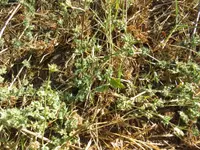
Pinch back soft shoot tips every 3–4 weeks during active growth to keep stems compact and stimulate more lateral branching and flowers when growing Dicliptera verticillata.

Provide Light Support

Install low, discreet stakes or a small hoop support early in the season so taller, flexible stems can be loosely tied and kept upright, reducing breakage in wind or heavy rain.

Timed Renewal Pruning

In mild climates, cut back one-third of the oldest, woodiest stems at ground level each late winter to maintain vigorous new growth without sacrificing the entire season’s flowering.

Targeted Pest Scouting

Inspect the undersides of leaves and soft shoot tips weekly in warm weather for aphids or whiteflies, and rinse colonies off with a firm water spray before they spread along the whole plant.

Mulch For Root Protection

Apply a 3–5 cm layer of organic mulch around, but not touching, the stems to moderate soil temperature, reduce weed competition, and protect the shallow root system from drying out.

Common Pests and Diseases

Whiteflies

This pest commonly infests soft new growth, sucking sap from leaves and causing yellowing, leaf curl, and sticky honeydew on Dicliptera stems and foliage. Symptoms include clouds of tiny white insects flying up when the plant is disturbed.

Solution

Reduce populations by hosing down the plant with a firm stream of water, especially on the undersides of leaves, then use yellow sticky traps to monitor adults. For ongoing control, apply insecticidal soap or neem oil thoroughly every 7–10 days, and remove heavily infested stems to maintain good air movement around the plant.

Spider mites

These insects thrive on Dicliptera in hot, dry conditions, causing fine stippling, bronzing, and eventual leaf drop. Symptoms include fine webbing between leaves and stems and a dusty appearance on foliage.

Solution

Increase humidity around the plant and rinse foliage thoroughly, focusing on the undersides of leaves to dislodge mites. For persistent infestations, use insecticidal soap or a horticultural oil labeled for mites, repeating treatments as needed and discarding the most damaged leaves to slow reinfestation.

Leaf spots

This disease on Dicliptera foliage appears as small brown, tan, or purple spots that may merge into larger blotches, especially in warm, humid weather. Symptoms include premature yellowing and dropping of affected leaves from the lower canopy upward.

Solution

Prune and discard heavily spotted leaves and any dense, crossing stems to improve airflow and light penetration. Avoid overhead watering, water early in the day so foliage dries quickly, and if the problem recurs severely, apply a copper-based or other labeled ornamental fungicide according to label directions.

Powdery mildew

This disease causes a white to gray powdery coating on Dicliptera leaves, reducing vigor and distorting new growth. Symptoms include dull, faded foliage and reduced flowering if the infection becomes heavy.

Solution

Remove and discard the most affected leaves, then thin stems slightly to increase air circulation around the plant. Water at the base instead of over the foliage and, if needed, use a labeled ornamental fungicide or sulfur-based product at the first sign of mildew, repeating as directed to protect new growth while growing Dicliptera verticillata in humid conditions.

Interesting Facts

Specialist bee visitor

In parts of its African range, this species is frequently visited by specific solitary bees that can navigate its narrow tubular flowers to reach nectar and transfer pollen efficiently.

Streambank shrub habit

It often grows as a semi-woody subshrub along moist streambanks and seasonal watercourses, where recurrent disturbance from water flow limits taller competitors and allows it to form local thickets.

Regional endemism pattern

The species shows a patchy distribution tied to particular savanna and riparian habitats in eastern and southern Africa, reflecting a history of adaptation to seasonal rainfall and fluctuating water availability.

FAQs about Dicliptera verticillata

This species produces tubular flowers rich in nectar, which often attract small bees and various butterflies. In suitable climates it can support local pollinator populations well, especially when planted in loose groups rather than as isolated specimens.

Grow Healthy Plants with Botan Care

Keep your plants happy and healthy with plant identification, disease detection, and easy care guidance.

Botan plant care app — identify plants on mobile

Explore More Plants