Gairo Morning Glory Care (Ipomoea cairica)

Also known as: mile a minute vine, Mile-a-minute vine, Railway Creeper, Coastal morning glory, Common Morning Glory, Messina Creeper
Gairo Morning Glory

About Gairo Morning Glory

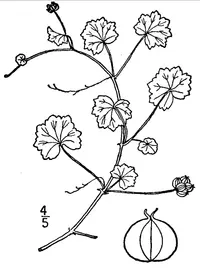
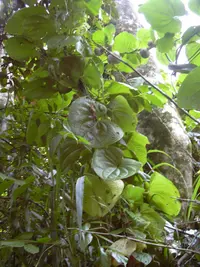
Gairo morning glory (Ipomoea cairica) is a fast-growing, twining vine known for its heart-shaped leaves and funnel-shaped purple or lilac flowers. It often forms dense, leafy curtains on fences, trellises, or banks.

This species is native to tropical and subtropical regions of Africa and Asia but is now naturalized in many warm climates worldwide. In suitable conditions it can spread aggressively outdoors, so regular pruning is important.

The plant is generally easy to grow, provided it has strong light, warmth, and well-drained soil. Understanding how to care for Gairo Morning Glory helps keep growth controlled and flowering reliable, especially in small gardens or containers.

Main Plant Requirements

Care Difficulty

Easy Care

Light Preference

Full Sun

Water Requirements

Moderate Water

Temperature Preference

Tropical / Frost Sensitive

Hardiness Zone

9–11

Soil Texture

Sandy, Loamy, Organic-rich

Soil pH

Acidic (5.5–6.5), Slightly acidic (6.5–7.0)

Soil Drainage

Well-drained

Fertilization

Light (every 4–6 weeks)

Get Personalized Care Plan

Scan your plant to receive care tips personalized for your specific plant

Available on iOS and Android

How to Care for the Gairo Morning Glory

This vigorous vine needs abundant direct sun to flower heavily and stay compact.

  • Provide 6–8 hours of direct sun daily; in hot climates, prioritize morning sun with light afternoon shade to prevent leaf scorch.
  • It tolerates bright partial shade (around 3–4 hours direct sun), but Gairo Morning Glory will produce fewer blooms and longer, sparser stems.
  • In summer, avoid highly reflective, baking walls; in cooler seasons, choose the sunniest exposure available to extend flowering and maintain strong growth.

This fast-growing climber prefers evenly moist but never waterlogged soil.

  • Water when the top 3–5 cm of soil feel dry, soaking the root zone deeply, then allow excess to drain away fully.
  • During hot, windy periods, expect more frequent watering; in cooler or rainy weather, extend the interval to prevent soggy conditions that lead to root rot.
  • Signs of underwatering include limp, dull leaves and dry, crisp tips; persistent yellowing or soft, mushy stems usually indicates overwatering in Ipomoea cairica.

This tropical vine thrives in warm, frost-free conditions and slows or dies back in cold weather.

  • Optimal growth occurs at 70–85°F (21–29°C), when stems elongate quickly and flowering is most consistent.
  • The plant is damaged near 40°F (4°C) and usually killed by frost; protect or replace after freezes in cooler regions.
  • It tolerates short spikes up to about 95°F (35°C) if soil moisture is stable, but prolonged extreme heat with dry soil can cause wilting and flower drop.

This vigorous vine handles a wide humidity range but benefits from moderate ambient moisture.

  • Aim for 40–60% humidity, which matches most homes and outdoor summer conditions.
  • Plant tolerates drier air but may show crisp leaf edges, slow growth, or curling during extended very dry periods.
  • Increase humidity by grouping plants, mulching the root zone, or placing Gairo Morning Glory near other vegetation that reduces moisture loss.

This species prefers loose, well-draining, moderately fertile soil that does not stay wet for long.

  • Use a mix of 50–60% loamy garden soil, 20–30% compost, and 10–20% coarse sand or perlite for structure and drainage.
  • Keep pH slightly acidic to neutral, roughly 6.0–7.0, to support nutrient availability for Ipomoea cairica.
  • Improve aeration by incorporating coarse materials such as perlite, horticultural grit, or pine bark fines rather than more peat or fine compost.
  • Avoid compacted clay, waterlogged spots, or pure sandy soil without organic matter, as these cause root stress and nutrient problems.

This climbing vine is suitable for container growing when the pot setup supports its fast, vigorous root system.

  • Choose a heavy, wide container to counterbalance the top growth and prevent tipping once the vine climbs a support.
  • Select a pot at least 30–40 cm deep to allow long feeder roots to spread and stabilize the plant.
  • Use a container mix amended with extra coarse materials at the base to keep drainage fast even after repeated watering.

Ipomoea cairica grows fast and flowers better with modest, consistent feeding during the warm growing season.

  • Use a balanced liquid fertilizer (around 10-10-10) at 1/2 strength every 2–4 weeks in spring and summer for caring for Gairo Morning Glory.
  • Apply a thin layer of compost over the root zone once in spring to support steady growth.
  • Choose slow-release granules if watering is infrequent, following label rates and keeping pellets off stems.
  • Stop feeding in late fall and winter, when growth slows, to avoid weak, elongated shoots.

Pruning Ipomoea cairica manages its vigorous growth and maintains flowering performance.

  • Carry out main pruning in late winter or very early spring before strong new growth begins.
  • Remove dead, diseased, or damaged stems first, then thin crowded or tangled vines to improve air flow.
  • Shorten excessively long shoots to control spread and encourage branching and more flowers.
  • Use clean, sharp hand pruners and make angled cuts just above a leaf node to reduce disease risk.

This vigorous climber is most often grown in the ground, but container plants and young starts benefit from thoughtful transplanting.

  • Transplant or up-pot in spring after frost when roots circle the pot, drainage slows, or top growth stalls.
  • Shift to a container 2–5 cm wider, using well-drained soil and a sturdy trellis or support in place at planting.
  • Loosen circling roots gently, keep the original soil level at the same height, and water thoroughly to settle soil.
  • Reduce stress by transplanting on a cool, cloudy day and shading for 2–3 days while the root system re-establishes.

Ipomoea cairica is commonly propagated by seeds and stem cuttings, which root quickly under warm conditions.

  • For seeds, sow in late spring, lightly covering them in warm, well-drained soil at 70–80°F.
  • Scarify hard seed coats gently with sandpaper and keep the medium evenly moist until germination.
  • Take 10–15 cm softwood cuttings in late spring or summer, removing lower leaves.
  • Insert cuttings into moist, airy mix, optionally with rooting hormone, and keep in bright, indirect light with high humidity.

This plant is frost-tender and behaves as a perennial only in mild to warm climates.

  • In USDA zones colder than 9, treat it as an annual or expect top growth to die back with frost.
  • In mild climates, add a 5–8 cm mulch layer over the root zone in late fall to buffer soil temperature.
  • Move container plants indoors or into a frost-free greenhouse before nights drop near 40°F, providing bright light and reduced watering.

Care Tips

Early trellis training

Install a sturdy trellis, fence, or wire mesh at planting time and gently wrap young vines around supports every few days to guide fast growth upward instead of letting stems tangle on the ground.


Contain root spread

In small gardens or near other plants, sink a bottomless plastic or metal root barrier 30–40 cm deep around the planting area to limit underground spread and make future removal or division easier.

Regular vine thinning

Every 2–3 weeks during peak growth, cut out a portion of the oldest or most congested stems at the base to increase air movement, reduce fungal issues, and keep flowering wood young and productive.

Targeted pest scouting

Inspect the undersides of leaves and tender shoot tips at least weekly for early signs of caterpillars, aphids, or spider mites, and remove small infestations by hand or with a strong water spray before resorting to treatments.

Seasonal hard cutback

In frost-free but overgrown sites, plan one hard cutback to 20–30 cm above ground at the end of the flowering season to reset vine size, simplify caring for Gairo Morning Glory, and encourage a flush of vigorous new shoots.

Common Pests and Diseases

Leaf miners

This pest creates winding, pale tunnels inside the thin leaves, leading to distorted and weakened foliage on fast-growing vines.

Solution

Remove and dispose of affected leaves to break the life cycle, then encourage new growth with balanced care; in outdoor settings, use sticky traps to monitor activity and consider introducing or conserving beneficial predators such as parasitic wasps, avoiding broad-spectrum insecticides that disrupt natural control.

Spider mites

These insects thrive on sun-exposed, vigorous vines, causing fine stippling, dulling of the foliage, and fine webbing on leaf undersides during warm, dry periods.

Solution

Rinse foliage thoroughly with a strong but gentle stream of water, focusing on leaf undersides, and increase ambient humidity; if populations persist, apply insecticidal soap or a horticultural oil labeled for mites, repeating as directed to target successive generations while monitoring the plant closely.

Rust

This disease produces orange to brown pustules on the undersides of leaves, often with yellowing on the upper surface and early leaf drop on dense, tangled growth.

Solution

Prune and discard heavily affected leaves and crowded stems to improve airflow, avoid overhead watering, and if the problem recurs, use a sulfur- or copper-based fungicide according to label directions while keeping the surrounding area free of infected plant debris.

Powdery mildew

This disease appears as white, powdery patches on leaf surfaces and young stems, which can lead to leaf curling and reduced flowering on vigorous vines in humid but not overly wet conditions.

Solution

Remove the most affected leaves, increase spacing and airflow along trellises or fences, avoid late-day overhead watering, and apply a suitable fungicide such as a potassium bicarbonate or horticultural oil product if coverage is needed over large areas of the plant.

Leaf spot

Symptoms include brown to purplish spots on leaves that may merge into larger dead areas, especially on older foliage in warm, wet weather or where water splashes frequently on the vine.

Solution

Clean up and destroy fallen leaves, avoid wetting the foliage, and thin dense growth to dry more quickly; in persistent cases, apply a labeled fungicide and rotate products if needed, while following general Ipomoea cairica care instructions to reduce plant stress and improve natural resistance.

Interesting Facts

Rapid twining growth

This vine uses a twining stem that can extend several meters in a single growing season, quickly climbing fences, shrubs, and trees by wrapping clockwise around available supports.

Day-opening flowers

The funnel-shaped, lilac to pale purple flowers typically open in the morning and often close by afternoon, following a daily rhythm linked to light intensity and temperature.

Adventitious root spread

Where the stems touch moist soil, they can form adventitious roots, allowing the plant to anchor itself at multiple points and spread laterally as well as vertically.

Botan icon

Did you know?

In many tropical and subtropical regions, this species is listed as an invasive environmental weed because it can form dense, shading mats over native vegetation, altering habitat structure and reducing local plant diversity.

FAQs about Gairo Morning Glory

This vine grows very quickly, roots at nodes, and produces many seeds, so it can spread aggressively in warm climates. Use barriers, regular pruning, and prompt removal of unwanted shoots to prevent it from smothering nearby plants.

Grow Healthy Plants with Botan Care

Keep your plants happy and healthy with plant identification, disease detection, and easy care guidance.

Botan plant care app — identify plants on mobile

Explore More Plants