kleingrass Care (Panicum coloratum)

Also known as: White Buffalo Grass, Small Buffalo Grass
kleingrass

About kleingrass

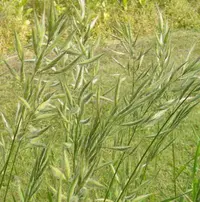
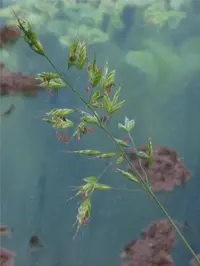
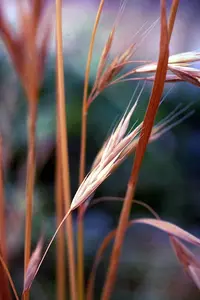
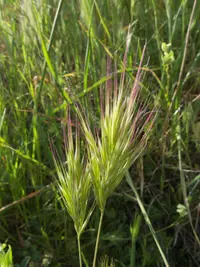
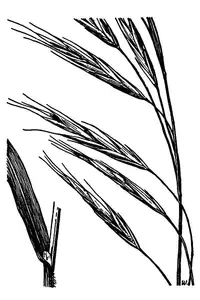
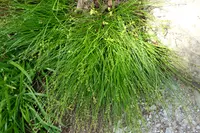
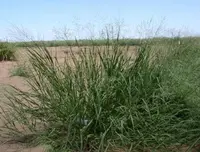
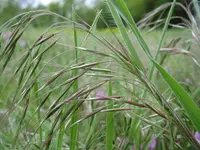
Kleingrass, Panicum coloratum, is a warm-season perennial grass grown mainly as forage and for erosion control in warm, semi-arid regions. It forms dense clumps with fine to medium leaves and upright flowering stems that create a soft, feathery look in the landscape.

The species is native to Africa but is now widely used in dry rangelands and pasture systems, especially in the southern United States. It is valued for good drought tolerance and the ability to stay productive in poor, sandy, or slightly saline soils.

These traits make it relatively undemanding, though it prefers full sun and well-drained soil. Understanding how to care for kleingrass starts with recognizing its preference for warm conditions and low to moderate fertility soils.

Main Plant Requirements

Care Difficulty

Easy Care

Light Preference

Full Sun

Water Requirements

Moderate Water

Temperature Preference

Warm Climate

Hardiness Zone

7–11

Soil Texture

Sandy, Loamy, Clay

Soil pH

Slightly acidic (6.5–7.0), Slightly alkaline (7.0–7.5)

Soil Drainage

Well-drained

Fertilization

Minimal (feed rarely)

Get Personalized Care Plan

Scan your plant to receive care tips personalized for your specific plant

Available on iOS and Android

How to Care for the kleingrass

Panicum coloratum thrives in open, bright sites where it receives strong direct sun for most of the day.

  • Provide 6–8 hours of direct sun daily; full sun supports dense growth and good seed production in kleingrass pastures.
  • Plant in locations with morning to early afternoon sun; light afternoon shade is acceptable in very hot regions to reduce leaf scorch.
  • Avoid deep shade, which causes weak, floppy stems; in cooler seasons or higher latitudes, prioritize unobstructed southern exposure to maintain vigor.

This warm-season grass prefers moist, well-drained soil but tolerates short, natural dry spells once established.

  • In the first growing season, water when the top 5–7 cm of soil feel dry, then apply a deep soak so moisture reaches 15–20 cm depth.
  • Ensure Panicum coloratum grows in soil that drains freely; standing water or constantly saturated soil leads to root rot and thinning stands.
  • During hot, dry periods, watch for rolled or bluish leaves as a sign of drought stress, and reduce watering if leaves yellow while soil stays wet.

This warm-season species grows most actively under consistently warm conditions and slows markedly in cool weather.

  • Optimal growth occurs around 80–95°F (27–35°C), with active warm-season production and strong tillering in this range.
  • Plants tolerate heat up to about 104°F (40°C) if soil moisture is adequate, but growth declines during prolonged extreme heat and drought.
  • Kleingrass is damaged by frost; expect top growth to die back near 28–30°F (-2 to -1°C), while crowns often survive brief light freezes in established stands.

Panicum coloratum tolerates a wide humidity range and rarely needs special humidity management.

Panicum coloratum prefers moderately fertile, well-drained mineral soil that does not stay waterlogged.

  • Use a sandy or sandy-loam texture with 20–30% compost mixed into native soil to support steady growth.
  • Ensure free drainage; avoid compacted clay or sites where water stands for more than 24 hours after rain.
  • Keep pH slightly acidic to neutral, around 6.0–7.5, and avoid strongly salty or sodic soils that restrict roots.
  • If soil is heavy, improve aeration by incorporating coarse sand or fine gravel through the top 15–20 cm.

This species can be grown in containers outdoors if the pot supports its deep, fibrous root system and upright growth.

  • Choose a deep, heavy container to anchor the clump against wind and prevent tipping as foliage mass increases.
  • Use a coarse, fast-draining mix such as 60% general potting mix with 40% coarse sand or small grit for root health.
  • Position the pot where runoff can escape freely so drainage water does not pool around the base and re-saturate the mix.

Panicum coloratum, or kleingrass, benefits from modest feeding in nutrient-poor soils but often copes well without heavy fertilization.

  • Apply a balanced slow-release fertilizer (for example 10-10-10) at half label rate once in early spring, as new growth starts.
  • In richer soils, replace synthetic products with a light top-dressing of compost 1–2 times during the growing season.
  • Avoid high-nitrogen lawn fertilizers, which encourage weak, floppy growth and reduce stand durability.
  • Do not feed in late fall or winter; excess nutrients at dormancy increase lodging and disease risk.

Pruning Panicum coloratum is mainly done to maintain a tidy clump and remove old or damaged growth.

  • Cut back dry seed heads and stems in late winter or very early spring, before strong new shoots emerge.
  • Remove dead, broken, or diseased stems at the base using clean, sharp shears to limit pathogen spread.
  • Thin out congested interior stems to improve air movement and light penetration through the clump.
  • Avoid cutting into fresh green growth midseason; light shaping only at the tips is usually sufficient.

This warm-season bunchgrass is more often transplanted in the landscape than grown long term in containers.

  • Plan division and transplanting for late spring to early summer, once soil is warm and active growth is evident.
  • Transplant when clumps become crowded, decline in vigor, or show bare centers despite adequate care.
  • Lift the clump, split into sections with healthy roots, and replant at the same depth in well-drained soil.
  • Water deeply after planting, then keep soil evenly moist for 1–2 weeks to limit transplant shock and support root re-establishment.

Panicum coloratum is commonly propagated by seed and clump division to maintain productive stands.

  • Sow seed in late spring into warm, well-drained soil; optimal germination occurs when soil exceeds about 65°F.
  • Provide consistent surface moisture but avoid waterlogging, which reduces seedling survival and encourages rot.
  • For division, lift mature clumps in late spring, then split into sections with several shoots and firm roots.
  • Replant divisions promptly, water thoroughly, and keep competition from weeds low during the first growing season.

This warm-season grass is moderately cold tolerant and usually needs only minimal winter care in mild to warm regions.

  • In climates with freezing winters, leave dry foliage standing to insulate crowns and capture snow over the root zone.
  • Apply a 5–7 cm layer of mulch around, not on top of, the crowns where temperatures drop below about 20°F.
  • In containers, move plants to a frost-free but cool, bright area, and water just enough to keep roots from fully drying.

Care Tips

Plan for spread

Allow at least 45–60 cm between plants and use edging or shallow root barriers if you need to confine the clump, since this grass gradually enlarges and can encroach on nearby crops or paths.

Use rotational mowing

In pasture or forage settings, mow or graze in rotations and avoid removing more than 50% of leaf height at once so plants maintain enough foliage to rapidly regrow and persist for many seasons.

Manage thatch layer

Every 1–2 years, lightly rake or dethatch dense stands at the end of winter to remove dead material and improve air flow and light penetration to new shoots.

Monitor for lodging

On fertile, irrigated sites, check for stems that bend or fall over and plan timely cutting or light grazing before flowering to reduce lodging and keep the stand upright and productive.

Adjust sowing depth

When growing kleingrass from seed, place seed only 0.6–1.2 cm deep and ensure firm seed-to-soil contact with a roller or by light treading so the fine seeds do not dry out or fail to emerge.

Everything About kleingrass

Common Pests and Diseases

Smut

This disease causes black, powdery spore masses that replace or distort flower heads and sometimes appear on stems. Symptoms include reduced seed production and a dirty, sooty look on affected parts.

Solution

Remove and destroy infected seed heads before they shed spores, and avoid saving seed from affected plants. Use clean seed, rotate grazing or cutting areas, and keep plants vigorous with balanced fertilization to reduce susceptibility.

Leaf spot

This disease produces small to medium brown or purplish lesions on leaves that can merge, causing blighting and early leaf death under humid conditions. Symptoms include thinning stands and reduced forage quality when infections are heavy.

Solution

Mow or graze to remove heavily infected foliage and improve air movement through the stand, then allow clean regrowth. Avoid overhead irrigation where possible, reduce dense thatch, and use balanced nitrogen so plants do not stay overly lush and susceptible.

Armyworms

These insects are caterpillars that feed in groups and can rapidly strip leaves, leaving only stems and midribs. Symptoms include ragged chewing damage, thinning foliage, and sudden brown patches in a planting or pasture.

Solution

Monitor plants closely during warm, humid weather and at dusk or early morning when larvae are most active, and treat early if large numbers are present using a targeted biological insecticide containing Bacillus thuringiensis (Bt) or spinosad. Encourage natural predators by avoiding broad-spectrum chemicals, and mow or graze lightly to expose larvae to birds when damage first appears.

Aphids

These insects cluster on young stems and leaf undersides, sucking sap and causing leaf curling, yellowing, and stunted growth. This pest also produces sticky honeydew that can lead to black sooty mold on leaves.

Solution

Rinse colonies off stems and leaves with a strong stream of water, focusing on undersides where they hide. If populations persist, apply an insecticidal soap or horticultural oil in the cool part of the day, and encourage lady beetles and lacewings by minimizing use of harsh insecticides.

Grasshoppers

These insects chew irregular holes in leaves and can significantly reduce foliage when populations are high, especially along field or garden edges. Symptoms include rough, clipped leaf margins and scattered defoliated stems.

Solution

Reduce tall weeds and rank growth around plantings to lower egg‑laying sites, and use barrier plantings or fine netting around small, high‑value stands. In larger areas, targeted baits containing biological controls such as Nosema locustae can help reduce heavy infestations while limiting impact on beneficial insects.

Interesting Facts

Deep-rooted foraging grass

This species develops an extensive root system that can reach deeper soil layers, allowing it to access moisture and nutrients under semi-arid conditions better than many shallow-rooted grasses.

Salt and alkali tolerance

Panicum coloratum tolerates moderately saline and alkaline soils, which makes it useful for rehabilitating degraded land where more sensitive forage grasses fail to establish.

High summer forage value

As a warm-season C4 grass, it maintains good growth and forage quality during hot weather, providing an important feed source for livestock when cool-season pastures slow down.

Botan icon

Did you know?

Panicum coloratum has been widely introduced from its African origins into regions such as Australia and the southern United States, where selected cultivars are used both for pasture and for controlling soil erosion on vulnerable slopes and drainage lines.

FAQs about kleingrass

This species spreads by seed and short rhizomes, forming clumps that can enlarge over time. It is usually not aggressively invasive in managed settings but can naturalize in warm regions if grazing or mowing is absent.

Grow Healthy Plants with Botan Care

Keep your plants happy and healthy with plant identification, disease detection, and easy care guidance.

Botan plant care app — identify plants on mobile

Explore More Plants