Divide aging clumps
Every 3–4 years, lift and split congested clumps in early spring, replanting only the vigorous outer sections to keep the stand dense, fresh, and less prone to fungal problems.

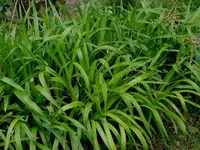
Great woodrush, Luzula sylvatica, is a perennial, grass-like plant from woodland and mountain regions of Europe. It forms dense, low clumps that slowly spread into ground-covering mats.
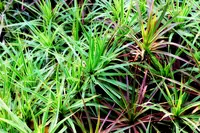
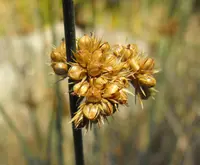
Its leaves are broad, softly hairy, and usually deep green, often staying attractive through much of the year. In spring, it sends up airy stems with small brownish flower clusters that add subtle texture rather than showy color.
This species thrives in partial shade with consistent moisture and humus-rich soil, which makes it well suited to woodland gardens and shaded borders. Once its needs are understood, it is a straightforward plant to manage, and learning how to care for great woodrush mainly involves keeping soil evenly moist and avoiding hot, dry spots.

Care Difficulty
Easy Care

Light Preference
Partial Shade

Water Requirements
Regular Water

Temperature Preference
Cold Hardy

Hardiness Zone
4–9

Soil Texture
Loamy, Peaty, Organic-rich

Soil pH
Acidic (5.5–6.5), Slightly acidic (6.5–7.0)

Soil Drainage
Moist but well-drained

Fertilization
Minimal (feed rarely)
Scan your plant to receive care tips personalized for your specific plant
Available on iOS and Android
This shade-loving perennial thrives in cool, dappled light conditions in woodland-style gardens.
This woodland grass prefers consistently moist, cool soil rather than alternating extremes of wet and dry.
This hardy species is adapted to cool, temperate climates and tolerates a wide range of outdoor temperatures.
This woodland grass prefers moderate, steady humidity but usually adapts to typical outdoor conditions.
This species prefers cool, humus-rich soil that stays evenly moist without becoming waterlogged.
This grass can be grown in containers if the pot supports its spreading root system and consistent moisture needs.
This woodland perennial needs only light feeding, as it is adapted to low-nutrient soils.
Luzula sylvatica benefits from occasional tidying to maintain a dense, fresh-looking clump.
This species is usually grown in the ground, but clumps can be lifted and moved with minimal disturbance.
Luzula sylvatica is most commonly propagated by division, which maintains the characteristics of the parent plant.
This evergreen grass-like perennial is generally cold hardy and needs little winter attention in most temperate gardens.

Plant Health Check
Not sure what's wrong with your plant? Check your plant's health inside the app.
This species is one of the few broadleaf, grass-like woodland plants in Europe that remains effectively evergreen, keeping a functional leaf canopy through mild winters and providing year-round ground cover in shaded forests.
Its leaves have fine, silky hairs along the margins, which help reduce water loss, intercept moisture from fog and drizzle, and make the foliage feel slightly rough compared with true grasses.
In its native range, it naturally forms dense carpets on cool, moist, acidic to neutral forest floors, often under conifers and beech, where it stabilizes soil and competes effectively in low light conditions.

In several European woodland ecosystems, large, established carpets of this species can persist for many decades, with individual clumps slowly expanding and merging into near-continuous swards that define the visual character of the forest understory.
This species is semi-evergreen to evergreen in mild climates, keeping most foliage through winter. In colder regions, some leaves may die back, but fresh growth returns in spring from the hardy root system.
Keep your plants happy and healthy with plant identification, disease detection, and easy care guidance.