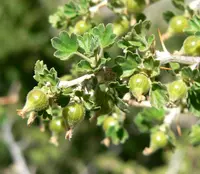
pink fly bush Care (Plectranthus fruticosus)

Also known as: Forest Spurflower
pink fly bush

About pink fly bush

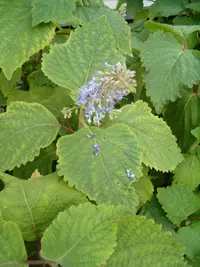
Pink fly bush, Plectranthus fruticosus, is a soft, woody shrub from South Africa, commonly grown as an ornamental foliage plant. It forms a bushy, branching habit with softly textured, often aromatic leaves and delicate spikes of pale pink to lilac flowers.

In gardens or containers it is usually compact and easy to shape, making it suitable for borders, patios, or large indoor pots. Its relatively fast growth and forgiving nature make it accessible for beginners who want to learn how to care for pink fly bush.

This plant prefers bright, indirect light, moderate moisture, and well-drained soil, which keeps roots healthy and foliage dense.

Main Plant Requirements

Care Difficulty

Easy Care

Light Preference

Partial Shade

Water Requirements

Moderate Water

Temperature Preference

Tropical / Frost Sensitive

Hardiness Zone

10–11

Soil Texture

Loamy, Sandy, Organic-rich

Soil pH

Acidic (5.5–6.5), Slightly acidic (6.5–7.0)

Soil Drainage

Moist but well-drained

Fertilization

Light (every 4–6 weeks)

Get Personalized Care Plan

Scan your plant to receive care tips personalized for your specific plant

Available on iOS and Android

How to Care for the pink fly bush

Plectranthus fruticosus prefers bright, gentle light that mimics dappled woodland shade.

  • Provide 3–5 hours of soft morning sun with bright, filtered light the rest of the day; avoid harsh afternoon sun, especially in summer.
  • Grow pink fly bush in partial shade outdoors; sites under high trees or on east-facing patios reduce leaf scorch and color fading.
  • Watch the plant’s growth: long, weak stems and sparse leaves indicate too little light, while bleached, crispy patches signal excessive direct sun.

Water Plectranthus fruticosus to keep the root zone lightly moist but never saturated.

  • Before watering, let the top 3–5 cm of soil dry; check by feeling the soil rather than following a fixed schedule.
  • Increase watering frequency during warm, active growth and reduce it in cooler months, while still preventing the root ball from becoming completely dry.
  • Ensure soil drains freely; yellowing, soft stems and a sour smell suggest overwatering, while drooping, thin leaves and very light soil indicate underwatering.

This species prefers mild, frost-free temperatures similar to a sheltered coastal climate.

  • Aim for 60–75°F (16–24°C) for steady growth; brief dips to 50°F (10°C) are tolerated but slow development.
  • Protect from frost; damage often occurs at 32°F (0°C) and below, so move container plants or cover outdoor specimens on cold nights.
  • In hot weather above 85°F (29°C), provide extra shade and mulch to keep roots cooler and reduce stress, especially during dry, windy conditions.

This species prefers moderate humidity but copes with most home conditions.

  • Aim for 40–60% humidity for steady growth, especially when caring for pink fly bush indoors or on sheltered patios.
  • Tolerates short spells of drier air, but prolonged levels below 30% can cause leaf-edge browning and slight curling.
  • Increase humidity by grouping plants, placing the pot on a pebble tray with water below the pot base, or running a small nearby humidifier.

Plectranthus fruticosus prefers a loose, airy mix that drains quickly yet holds some moisture.

  • Use a peat- or coco-based potting mix amended with 20–30% perlite and/or fine bark to improve drainage and aeration.
  • Aim for slightly acidic to neutral pH, roughly 6.0–7.0, which supports nutrient uptake without causing micronutrient lockout.
  • Incorporate a modest amount of compost or leaf mold to add organic matter without making the mix heavy or waterlogged.
  • Avoid dense clay-based media, unamended garden soil, or mixes that stay wet for more than 2–3 days after watering.

This species is well suited to container growing on patios, balconies, or bright porches.

  • Choose a wide, shallow to medium-depth pot to accommodate its spreading root system and keep top growth stable in wind.
  • Select a container material that matches your climate; porous terracotta dries faster, while glazed ceramic retains moisture longer.
  • Ensure multiple unobstructed drainage holes so water exits quickly, preventing the shallow roots from sitting in a saturated zone.

Plectranthus fruticosus responds well to light, consistent feeding during its active growing season.

  • Use a balanced liquid fertilizer, such as 10-10-10 or 20-20-20, diluted to 1/2–1/4 strength every 3–4 weeks in spring and summer.
  • Alternatively, apply a thin layer of fine compost or a low-dose slow-release fertilizer at the start of spring.
  • Pause feeding in late fall and winter, when growth slows, to avoid soft, weak foliage.
  • For pink fly bush in containers, flush the soil with plain water occasionally to prevent fertilizer salt buildup.

Pruning keeps Plectranthus fruticosus compact, bushy, and flowering well.

  • Carry out main pruning in late winter or early spring before vigorous new growth begins.
  • Use clean, sharp scissors or pruning shears to remove dead, damaged, or crossing stems.
  • Pinch or trim soft tips during the growing season to encourage branching and a fuller shape.
  • After flowering, lightly shorten leggy stems to maintain size and stimulate fresh shoots.

This species adapts well to containers and benefits from timely repotting to maintain healthy growth.

  • Plan to repot every 1–2 years in early spring, or when roots circle the pot base and growth slows.
  • Choose a container 2–5 cm wider with free-draining potting mix, and gently loosen congested roots without tearing.
  • Water the plant a day before repotting to reduce root stress and ease removal from the old pot.
  • After repotting, water thoroughly once, place in bright, indirect light, and avoid heavy feeding for 2–3 weeks.

New Plectranthus fruticosus plants are most often produced from softwood stem cuttings.

  • Take 7–10 cm non-flowering stem cuttings in late spring or early summer, trimming just below a node.
  • Remove lower leaves, then place cuttings in moist, free-draining mix or water, keeping nodes slightly buried.
  • Maintain bright, indirect light, high humidity, and temperatures around 68–75°F for reliable rooting.
  • Once roots reach 2–3 cm, pot cuttings individually and acclimate gradually to normal care conditions.

This plant is tender to frost and needs simple but consistent winter protection in cooler climates.

  • In regions below 30–32°F, grow in containers and move indoors before the first hard frost.
  • Indoors, place in bright, indirect light and keep temperatures around 60–70°F with moderate watering.
  • Outdoors in mild climates, apply a 3–5 cm mulch layer around the base to buffer root-zone temperature.
  • Avoid cutting back hard in late fall; instead, wait until late winter to remove any frost-damaged stems.

Care Tips

Pinch For Bushiness

Regularly pinch out the soft shoot tips every 3–4 weeks during active growth to keep the plant compact, encourage side branching, and maintain dense foliage.

Refresh Leggy Stems

If stems become woody and sparse, cut back 1/3–1/2 of the longest shoots in early spring, then use the healthy tip cuttings to re-root and thicken the original pot.

Rotate For Even Growth

Turn the pot 90° every 1–2 weeks so all sides receive similar light, which reduces leaning and produces a symmetrical, full plant.

Monitor For Mites

Inspect the undersides of leaves and stem joints every 1–2 weeks, especially in dry indoor air, and rinse foliage under lukewarm water at the first sign of webbing or stippling to disrupt early spider mite populations.

Plan Seasonal Moves

In cooler climates, treat it as a container plant that can be moved outdoors after frost and brought back in before temperatures drop below 50°F, which is one of the simplest ways of growing pink fly bush long term without cold damage.

Common Pests and Diseases

Aphids

These insects cluster on tender shoots and undersides of leaves, sucking sap and causing curling, distortion, and sticky honeydew deposits. Symptoms include stunted shoot tips and sometimes sooty mold growing on the honeydew.

Solution

Rinse stems and foliage thoroughly with a firm stream of water, then repeat every few days until populations drop. For persistent infestations, treat soft growth with insecticidal soap or a neem oil spray, and trim heavily infested shoot tips to reduce reinfestation while supporting overall Plectranthus fruticosus care.

Whiteflies

These insects are small, white, and fly up in a cloud when the plant is disturbed, feeding on the underside of leaves and causing yellowing and leaf drop. This pest also excretes honeydew that can lead to black sooty mold on foliage.

Solution

Shake foliage gently to check for adults, then use yellow sticky traps to catch flying insects and monitor numbers. Combine this with regular leaf washing and targeted insecticidal soap applications to the undersides of leaves, repeating weekly until new growth appears clean and vigorous.

Spider mites

These pests are tiny and often invisible to the naked eye, but symptoms include fine webbing, stippled or silvery leaves, and gradual leaf drop, especially in warm, dry indoor air. This pest can quickly weaken plants grown in hanging baskets or close to heat sources.

Solution

Increase humidity around the plant and hose or shower the foliage thoroughly, focusing on the undersides of leaves. In more severe cases, apply a miticidal product based on insecticidal soap or horticultural oil every 5–7 days for several cycles, and isolate the plant from others until new leaves emerge without spotting or webbing.

Botrytis blight

This disease produces soft, water-soaked spots on leaves and stems that may develop a fuzzy gray mold, especially in cool, humid, and poorly ventilated conditions. Symptoms include collapse of soft stems and spotting on older leaves in dense canopies.

Solution

Remove and discard all affected leaves and stems, then improve airflow by thinning dense growth and avoiding overhead watering. Keep foliage as dry as possible, and in persistent cases use a fungicide labeled for ornamental gray mold while also reducing humidity around the plant.

Powdery mildew

This disease appears as a white, powdery coating on the upper leaf surface, leading to yellowing, distortion, and premature leaf drop in shaded or crowded plants. Symptoms include a dull, dusty look to foliage and reduced vigor over time.

Solution

Prune to open the canopy and increase light and airflow, and avoid wetting leaves when watering. Remove heavily infected leaves and apply a sulfur-based or potassium bicarbonate fungicide if needed, repeating according to label directions until new growth remains clean.

Interesting Facts

South African forest margins

This species is native to moist, shaded forest margins and rocky slopes in South Africa, especially in the Eastern and Western Cape, where it often grows in the understory layer beneath taller shrubs and trees.

Aromatic defense leaves

Its softly hairy, aromatic leaves release a distinct scent when touched or bruised, a typical Lamiaceae trait that helps deter some herbivores and may reduce fungal growth on the leaf surface.

Late-season nectar source

In its home range, the mauve to pink tubular flowers appear mainly from late summer into autumn and provide nectar for bees and other pollinators at a time when many other shrub species are finishing flowering.

FAQs about pink fly bush

Lack of flowering usually comes from insufficient light, heavy pruning at the wrong time, or excess nitrogen fertilizer. Old, shaded stems bloom poorly. Light annual pruning after flowering maintains younger, more productive shoots without removing next season’s buds.

Grow Healthy Plants with Botan Care

Keep your plants happy and healthy with plant identification, disease detection, and easy care guidance.

Botan plant care app — identify plants on mobile

Explore More Plants