deviltree Care (Alstonia macrophylla)

deviltree

About deviltree

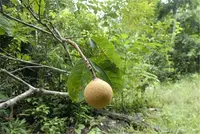
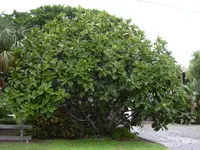
Deviltree, Alstonia macrophylla, is a fast-growing evergreen tree valued for its dense canopy and glossy, broadly oval leaves. It can reach substantial height and forms a straight trunk with whorled branches, giving it a neat, symmetrical outline in suitable climates.

This species is native to South and Southeast Asia, where it grows in warm, humid lowland forests and along roadsides. It produces small, fragrant, greenish-white flowers, followed by long, slender seed pods.

Alstonia macrophylla is generally moderate in difficulty to grow, mainly because it prefers consistently warm conditions and does not tolerate frost. It responds best to bright light, regular moisture, and well-drained soil, so understanding how to care for deviltree is important before planting.

Main Plant Requirements

Care Difficulty

Moderate Care

Light Preference

Full Sun

Water Requirements

Regular Water

Temperature Preference

Tropical / Frost Sensitive

Hardiness Zone

11–12

Soil Texture

Loamy, Sandy, Organic-rich

Soil pH

Acidic (5.5–6.5), Slightly acidic (6.5–7.0)

Soil Drainage

Moist but well-drained

Fertilization

Minimal (feed rarely)

Get Personalized Care Plan

Scan your plant to receive care tips personalized for your specific plant

Available on iOS and Android

How to Care for the deviltree

Alstonia macrophylla thrives in bright, warm conditions with protection from harsh midday sun.

  • Provide 4–6 hours of direct morning sun with light shade or filtered light after midday, especially in hotter regions.
  • Plant deviltree where it receives high bright shade or dappled light the rest of the day; it tolerates partial shade but grows slower in dense shade.
  • Watch leaves for stress: pale, scorched, or crispy edges indicate too much intense sun, while long, weak shoots and sparse foliage signal insufficient light.

This species prefers steadily moist, well-drained soil without long periods of saturation or drought.

  • Allow the top 3–5 cm of soil to dry slightly before deep watering, then soak the root zone rather than giving frequent light splashes.
  • In warm, active growth periods, check soil moisture 2–3 times per week; in cooler or rainy seasons, reduce watering as natural rainfall or lower evaporation maintains moisture.
  • Yellowing leaves, soft stems, and a sour soil smell suggest overwatering, while leaf curling, browning edges, and very dry, pulling-away soil indicate underwatering; adjust accordingly for Alstonia macrophylla.

This tropical tree performs best in consistently warm, frost-free climates.

  • Aim for an optimal range of 70–90°F (21–32°C) for active growth; it can handle brief spikes up to about 95°F (35°C) if soil moisture is adequate.
  • Avoid temperatures below 55°F (13°C); cold damage often appears when exposed to 40–45°F (4–7°C), and frost can kill young shoots and small trees.
  • In cooler seasons, shelter the plant from cold winds and radiative cooling near open fields; in hot summers, combine warm air temperatures with partial shade and reliable soil moisture to limit heat stress.

This species prefers moderately humid air but adapts to a range of conditions when grown as deviltree.

  • Aim for 50–70% humidity to support steady leaf and shoot growth.
  • Tolerates short periods of 35–40% air humidity, but leaf edges may brown and tips curl if kept drier for long.
  • Increase humidity with nearby trays of water and pebbles or grouped plants, rather than misting, to reduce leaf disease risk.

Alstonia macrophylla prefers deep, aerated, well-draining soil that still holds some moisture.

  • Use a loamy, organic-rich soil with a mix of garden loam, compost, and coarse sand or perlite for structure.
  • Ensure rapid drainage so water does not pool around roots, as waterlogging quickly leads to root decline.
  • Aim for slightly acidic to neutral pH around 6.0–7.0 to support nutrient availability and root activity.
  • Avoid heavy, compacted clay; improve such sites with coarse sand, fine bark, and compost to increase aeration and drainage.

This tree can be grown in large containers for some years, mainly in warm outdoor settings.

  • Choose a wide, heavy container to counterbalance the tall, top-heavy crown and reduce tipping in wind.
  • Select thick-walled clay or concrete pots if extra weight and slower moisture loss are needed in hot climates.
  • Raise the container on feet or bricks so drainage holes stay clear and excess water escapes quickly after rain or irrigation.

Alstonia macrophylla benefits from moderate feeding in containers or nutrient-poor soils, but mature landscape trees often need little extra fertilizer.

  • Use a balanced slow-release fertilizer (for example 10-10-10) or well-rotted compost at the start of the warm growing season.
  • Feed container-grown deviltree every 6–8 weeks during active growth, following label rates at 50–75% strength to prevent salt buildup.
  • Water thoroughly before and after applying fertilizer to reduce root burn and help nutrients move into the root zone.
  • Stop or greatly reduce feeding in cooler months when growth slows, especially in subtropical or marginal climates.

Pruning Alstonia macrophylla is mainly used to manage size, structure, and clearance rather than to stimulate flowering.

  • Carry out light structural pruning in late winter to early spring, before vigorous new growth begins.
  • Remove dead, diseased, crossing, or storm-damaged branches first, cutting back to healthy wood with clean, sharp tools.
  • Thin crowded interior shoots slightly to improve light penetration and airflow, but avoid heavy canopy removal in one season.
  • Use correct cuts just outside the branch collar to support good wound closure and reduce risk of decay.

This species is usually grown in the ground, so focus on careful transplanting of young trees and only occasional repotting of nursery stock.

  • Plan major transplanting for warm, frost-free periods, ideally late spring, to allow fast root recovery and establishment.
  • Move when roots circle the container, drainage is poor, or growth slows despite adequate water and nutrients.
  • Choose a hole or container 1.5–2× wider than the root ball, with deep, well-drained soil and ample organic matter.
  • Handle the root ball gently, keep roots moist, backfill firmly, then water deeply and shade temporarily to reduce transplant shock.

Alstonia macrophylla is usually raised from seed, with vegetative methods used less often and generally by nurseries.

  • Collect fresh, mature seed and sow in late spring to early summer in a sterile, well-drained seed mix.
  • Maintain 75–85°F, bright filtered light, and evenly moist (not waterlogged) media to support germination.
  • Cover seed lightly, as very deep sowing reduces emergence, and use a fine mist to avoid dislodging seeds.
  • For cuttings, use semi-hardwood tips, apply rooting hormone, and root in warm, humid conditions under partial shade.

This tropical tree is frost sensitive and requires winter protection in regions with cool or freezing conditions.

  • In mild climates, apply a 5–8 cm organic mulch layer over the root zone, keeping it slightly away from the trunk.
  • In areas with occasional light frost, wrap young trunks with breathable frost cloth and avoid winter pruning.
  • Grow Alstonia macrophylla in large containers in cold regions and move indoors or into a heated greenhouse before temperatures drop below 50°F.

Care Tips

Early structural pruning

In the first 2–3 years, remove low competing leaders and select a single strong central stem to encourage a straight trunk and stable scaffold branches for long-term structure.

Wind and stake management

In exposed sites, use 2–3 low, flexible stakes for young trees and remove them after 12–18 months to allow the trunk to strengthen naturally while still preventing wind rock.

Root zone protection

Maintain a 60–90 cm wide, mulch-covered root zone free of turf and heavy foot traffic to reduce soil compaction and protect the tree’s shallow feeder roots.

Salt and spray buffering

In coastal areas, establish a windbreak or plant on the leeward side of buildings to reduce direct salt-laden wind, which can scorch new growth and stress the tree.

Preventive pest scouting

Inspect new flushes of leaves every 2–3 weeks during warm seasons for scale insects and leaf-chewing caterpillars, and manage early with targeted horticultural oil or hand removal as part of caring for deviltree.

Common Pests and Diseases

Leaf miner larvae

This pest tunnels inside the leaf blades, creating winding, pale mines and sometimes causing premature yellowing and drop of older leaves.

Solution

Remove and destroy mined leaves where practical and collect fallen foliage around the tree, then use a systemic insecticide or a Bacillus thuringiensis (Bt) product targeting leaf-feeding larvae during active infestation; maintaining good tree vigor with proper watering and mulching helps the plant outgrow minor damage.

Scale insects

These insects attach to twigs and leaf undersides, sucking sap and causing yellowing, leaf drop, and sticky honeydew that can lead to black sooty growth.

Solution

Prune and dispose of heavily infested small branches, then treat remaining colonies by scrubbing reachable bark gently with a soft brush and horticultural soap, followed by applications of horticultural oil to smother scale crawlers while monitoring for natural enemies such as lady beetles and parasitic wasps.

Sooty mold

This disease appears as a black, soot-like coating on leaves and young stems, growing on the sugary honeydew excreted by sap-sucking insects like aphids, mealybugs, or scale.

Solution

Control the underlying insect pests first, then rinse affected foliage with a strong but gentle stream of water or a mild soap solution to remove mold; improving airflow and light penetration through selective pruning helps foliage dry faster and reduces mold buildup, which is an important part of Alstonia macrophylla plant care in humid areas.

Leaf spot

Symptoms include scattered brown or dark purple spots on leaves that may coalesce, sometimes with a yellow halo and early leaf drop during wet, humid weather.

Solution

Collect and destroy fallen leaves, avoid overhead watering, and thin dense canopy growth to improve air circulation; in areas with recurring problems, copper-based fungicides can be applied preventively at the start of the rainy season, following label directions carefully.

Bark-boring beetles

These insects tunnel into trunks and branches, leaving small round holes, frass (sawdust-like material), and sometimes causing branch dieback in stressed or weakened trees.

Solution

Promptly prune and dispose of infested or dead branches, avoid wounding the trunk, and keep the tree healthy with appropriate watering during dry periods; in high-risk areas, preventive trunk sprays with suitable insecticides may be used by a licensed professional when adult beetles are active, since control is difficult once larvae are deep inside the wood.

Interesting Facts

Evergreen canopy tree

This species naturally forms a dense, rounded evergreen crown and in the wild can reach 30–40 m, making it a prominent component of lowland and coastal forests in South and Southeast Asia.

Milky latex producer

Like many members of the Apocynaceae family, it exudes a white, milky latex from cut bark and leaves, which is chemically defended and helps seal wounds against pests and pathogens.

Lobed seed dispersal

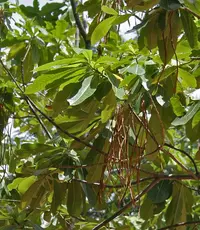
Its fruits are long paired follicles that split to release numerous lightweight seeds, each with a tuft of silky hairs that allow wind dispersal over considerable distances in open forest canopies.

Botan icon

Did you know?

In parts of Sri Lanka and southern India, this fast-growing tree is commonly planted as a shade and roadside species, and its relatively light, workable wood is used locally for items such as plywood, packing cases, and low-load construction, giving it both ecological and economic importance in its native range.

FAQs about deviltree

This tree is considered fast growing, often adding 60–120 cm in height per year in warm climates. Growth slows in poor soil, cool temperatures, drought, or confined roots. Pruning and balanced nutrition encourage stronger, more controlled structure.

Grow Healthy Plants with Botan Care

Keep your plants happy and healthy with plant identification, disease detection, and easy care guidance.

Botan plant care app — identify plants on mobile

Explore More Plants