Early framework training
In the first 3–5 years, select 3–5 well-spaced scaffold branches and remove competing leaders gradually so the tree develops a single strong trunk and balanced crown that will better resist wind and heavy flowering loads.

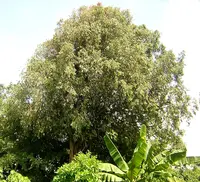
Ceylon ironwood, Mesua ferrea, is an evergreen tropical tree valued for its dense, heavy wood and fragrant white flowers. It naturally grows in humid forests of Sri Lanka, India, and Southeast Asia.
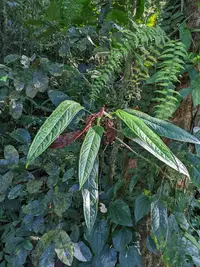
The tree has glossy, dark green leaves with reddish new growth and a straight, upright trunk, giving it a formal, architectural look in landscapes. It is typically grown outdoors in warm climates and is not practical as a long-term houseplant.
This species prefers consistent warmth, high humidity, and evenly moist, well-drained soil, which makes it demanding in cooler or dry regions. Understanding how to care for Ceylon ironwood starts with providing a stable, frost-free environment and protection from prolonged drought.

Care Difficulty
Hard Care

Light Preference
Full Sun

Water Requirements
Regular Water

Temperature Preference
Tropical / Frost Sensitive

Hardiness Zone
11–12

Soil Texture
Loamy, Sandy, Organic-rich

Soil pH
Acidic (5.5–6.5), Slightly acidic (6.5–7.0)

Soil Drainage
Moist but well-drained

Fertilization
Minimal (feed rarely)
Scan your plant to receive care tips personalized for your specific plant
Available on iOS and Android
Mesua ferrea needs abundant light to flower well but benefits from some protection from intense midday sun.
Mesua ferrea prefers evenly moist, well-drained soil and does not tolerate prolonged drought or waterlogging.
This tropical tree grows best in warm, frost-free conditions with stable temperatures.
This species prefers humid, tropical air and reacts if conditions are too dry.
Mesua ferrea needs deep, moist, well‑drained soil that stays aerated over time.
This species can grow in large containers when space or climate limits in‑ground planting.
Mesua ferrea benefits from light, steady nutrition but grows reasonably well in fertile ground without heavy feeding.
Mesua ferrea needs only light, purposeful pruning to maintain a stable framework and good flowering.
This species is usually grown as a landscape tree, so focus on careful transplanting of young Mesua ferrea rather than frequent repotting.
Mesua ferrea is typically propagated from seeds, which can be slow and somewhat variable to establish.
Mesua ferrea is a tropical to subtropical tree and needs winter protection in regions with frost or prolonged cold.

Plant Health Check
Not sure what's wrong with your plant? Check your plant's health inside the app.
The wood of this species is extremely dense and heavy, with a fine, interlocked grain that makes it slow to season but very durable once dry.
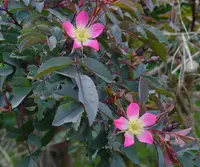
It produces large, white, four-petaled flowers with a tuft of bright yellow stamens that release a strong, sweet fragrance attractive to many pollinators.
This tree naturally occurs in tropical evergreen and montane rainforests of South and Southeast Asia, where it forms part of the upper canopy and prefers high rainfall and consistently warm temperatures.

In Sri Lanka and parts of India, this long-lived tree is traditionally planted at Buddhist temples and is often regarded as a sacred species, historically linked with ceremonial plantings near religious sites.
Container culture is possible while the tree is young. Use a deep, heavy pot, well-drained rich soil, and regular root pruning. Long term, it usually outgrows pots and performs better planted in the ground. This suits Mesua ferrea plant care outdoors best.
Keep your plants happy and healthy with plant identification, disease detection, and easy care guidance.