Anthurium microspadix Care

Anthurium microspadix

About Anthurium microspadix

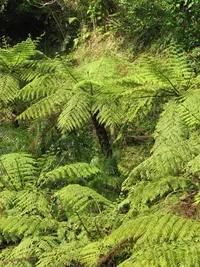
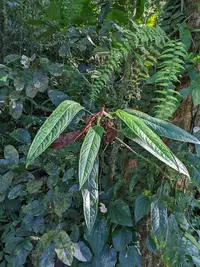
Anthurium microspadix is a tropical aroid grown mainly for its bold, leathery foliage and slender flower spikes. It usually forms an upright, clumping plant with sturdy stems and medium to large leaves.

This species occurs naturally in humid forests of Central and South America, where it often grows as an epiphyte on trees or on well-drained forest floors. Its preference for stable warmth, high humidity, and airy, organic substrates means it is moderately challenging for beginners.

Those who learn how to care for Anthurium microspadix usually focus on providing bright, filtered light, evenly moist but not waterlogged soil, and good air movement around the roots and foliage.

Main Plant Requirements

Care Difficulty

Moderate Care

Light Preference

Bright Indirect Light

Water Requirements

Keep Soil Moist

Temperature Preference

Tropical / Frost Sensitive

Hardiness Zone

11–12

Soil Texture

Loamy, Peaty, Organic-rich

Soil pH

Acidic (5.5–6.5), Slightly acidic (6.5–7.0)

Soil Drainage

Moist but well-drained

Fertilization

Light (every 4–6 weeks)

Get Personalized Care Plan

Scan your plant to receive care tips personalized for your specific plant

Available on iOS and Android

How to Care for the Anthurium microspadix

This species prefers bright, filtered light that mimics dappled forest shade.

  • Provide 6–8 hours of bright, indirect light each day, such as near an east or north window or under light tree canopy outdoors.
  • Tolerates partial shade, but in very low light growth slows and leaves may become sparse with longer internodes and duller color.
  • Protect from strong midday or afternoon sun, which can cause leaf scorch; shift to slightly brighter positions in winter to compensate for shorter days.

Watering should keep the root zone evenly moist but never saturated.

  • Irrigate when the top 2–4 cm of the mix feel dry, using this tactile check rather than a fixed schedule.
  • Use a loose, sharply draining medium; standing water around roots leads to yellowing leaves, soft stems, and possible root rot.
  • In warmer months, drying occurs faster; in cooler seasons, allow a bit more surface to dry and watch for underwatering signs such as limp, curling leaves.

Stable, warm conditions support healthy foliage and root activity.

  • Aim for 65–80°F (18–27°C) for active growth; brief drops to 60°F (16°C) are tolerated but below this growth slows.
  • Protect from cold; tissue damage often occurs near 40°F (4°C), and frost can kill leaves and young stems.
  • In hot spells above 85°F (29°C), provide shade and extra airflow, avoiding hot, stagnant locations or proximity to heat sources.

This species prefers moderately high humidity to keep foliage and aerial roots healthy.

  • Aim for 60–80% humidity; it will survive around 40–50% but growth and leaf size may be reduced.
  • Crisping leaf edges, stalled new growth, and brown leaf tips indicate humidity is too low.
  • Increase humidity with a nearby humidifier, grouped plants, and a pebble tray rather than misting leaves directly.

This species prefers a loose, airy, organic-rich mix that mimics forest litter on well-drained slopes.

  • Use roughly 40% fine orchid bark, 30% peat or coco coir, 20% perlite, and 10% compost for structure and nutrients.
  • Ensure very fast drainage; water should exit the pot within seconds, leaving the mix moist but never waterlogged.
  • Target a slightly acidic pH around 5.5–6.5, which supports nutrient uptake and healthy root growth in Anthurium microspadix.
  • Avoid heavy garden soil, fine peat alone, or any mix that compacts, as this limits aeration and encourages root rot.

This species adapts well to container growing when the pot supports its semi-epiphytic root system.

  • Choose a pot just 2–4 in wider than the root mass to keep the mix drying evenly between waterings.
  • Use a tall or heavier pot if the plant is large, so the container does not tip as stems elongate.
  • Select breathable materials like unglazed clay when extra moisture evaporation is needed in humid or cool spaces.

This species benefits from light, consistent feeding during the active growing season for steady foliage and inflorescence production.

  • Use a balanced liquid fertilizer (such as 10-10-10 or 20-20-20) diluted to 1/4–1/2 strength for Anthurium microspadix.
  • Apply every 4–6 weeks in spring and summer on pre-watered soil to avoid root burn.
  • Reduce to 1 light feeding in fall and stop or almost stop during winter dormancy.
  • Organic options like fine compost or a gentle slow-release fertilizer can be mixed sparingly into the top layer of the potting mix.

Light pruning keeps Anthurium microspadix tidy and supports healthy, directed growth.

  • Plan most pruning for late winter or early spring, before vigorous new growth begins.
  • Remove dead, yellowing, or damaged leaves and spent flower stalks at the base using clean, sharp scissors or pruners.
  • Thin out crowded interior stems to improve air movement and reduce disease risk.
  • Shape the plant conservatively by cutting only a few healthy stems at a time to avoid stress.

Container-grown plants appreciate occasional repotting to refresh the mix and give thickening roots more room.

  • Look for roots circling the pot, pushing through drainage holes, or slowed growth as signals to repot Anthurium microspadix.
  • Repot every 2–3 years in spring, moving to a container just 2–5 cm wider with good drainage.
  • Use a chunky, airy mix (orchid bark, perlite, and peat or coco coir) to support epiphytic-style roots.
  • Water well after repotting, keep in bright but indirect light, and maintain high humidity to limit transplant shock.

Division at repotting is the most reliable method for increasing plant numbers from a mature clump.

  • Carry out division in warm spring or early summer when growth is active and recovery is rapid.
  • Lift the root mass and gently separate natural offsets, ensuring each division has roots and at least 1–2 healthy stems.
  • Plant divisions into small pots with fresh, airy aroid mix and firm lightly around roots.
  • Keep humidity high, temperatures around 70–80°F, and light bright but indirect to promote new root growth in Anthurium microspadix.

This tropical species is frost sensitive and needs mild, stable conditions over winter, especially in containers.

  • Maintain indoor temperatures around 65–75°F and avoid exposure below about 55°F.
  • Move pots indoors before first frost and place away from cold drafts, heaters, and fluctuating temperatures.
  • Reduce watering in winter, allowing the top mix to dry slightly more while never letting the root ball stay bone dry.
  • In mild climates, outdoor plants benefit from a 5–8 cm mulch layer over the root zone to buffer temperature swings.

Care Tips

Airy potting setup

Place the nursery pot inside a slightly larger outer cachepot with spacers or pebbles at the bottom so excess water can drain freely while roots still enjoy high local humidity around the foliage.

Support for inflorescences

Install a slim stake or hoop before flowering so tall inflorescences can be loosely tied with soft ties, preventing mechanical damage to the stem and keeping the plant upright and tidy.

Targeted pest scouting

Inspect the undersides of leaves and along the midrib with a flashlight every 2–3 weeks, and wipe foliage with a damp, unscented microfiber cloth to physically remove early spider mites, scale crawlers, and mealybugs.

Seasonal light rotation

Rotate the pot 90° every 2–3 weeks and shift it slightly farther from bright windows in summer but closer in winter to maintain even, compact growth and reduce leaning toward the light source.

Gentle root disturbance

When repotting, gently tease apart only the outer circling roots instead of breaking the whole root ball, which reduces transplant shock and helps maintain steady growth while caring for Anthurium microspadix.

Common Pests and Diseases

Bacterial blight

This disease causes water-soaked lesions on leaves that turn brown with yellow halos and may lead to rapid leaf collapse, especially in warm, wet conditions.

Solution

Remove and discard affected leaves, avoid overhead watering, keep foliage dry, and increase air movement; disinfect tools between cuts and, if spread continues, apply a copper-based bactericide labelled for aroids following label safety directions.

Xanthomonas leaf spot

This disease produces small, angular, yellow to dark-brown spots confined by leaf veins, often starting on older leaves under high humidity and splashy watering.

Solution

Isolate the plant, prune out spotted leaves, avoid splashing water on foliage, and improve spacing and airflow; in persistent cases, use a copper or biological bactericide and maintain a consistent regime of drier leaf surfaces as part of Anthurium microspadix care instructions.

Anthracnose

This disease leads to irregular brown or tan dead patches on leaves and sometimes dark, sunken lesions on petioles, often progressing from leaf tips and margins inward.

Solution

Cut off and discard infected tissue, increase light and airflow, and keep leaves dry; apply a fungicide specifically labeled for anthracnose on ornamentals if new lesions continue to appear, following all label instructions.

Mealybugs

These insects appear as white cottony masses in leaf axils, on roots, and along stems, sucking sap and causing yellowing, distortion, and sticky honeydew on leaves.

Solution

Physically remove clusters with a cotton swab dipped in isopropyl alcohol, rinse foliage with lukewarm water, and repeat weekly; for larger infestations, use an insecticidal soap or horticultural oil, ensuring full coverage of leaf undersides and stem crevices.

Spider mites

This pest thrives in warm, dry indoor air and causes fine stippling, dulling of foliage, and in heavier infestations, fine webbing between leaves and petioles.

Solution

Shower the plant thoroughly to wash off mites, then raise humidity and improve airflow; use insecticidal soap or a horticultural oil spray on both leaf surfaces at 5–7 day intervals until new growth appears clean and unstippled.

Interesting Facts

Variable growth forms

This species can grow as a terrestrial plant in leaf litter or as an epiphyte on trees, showing flexible growth strategies within the same species depending on light and moisture conditions.

Subtle forest inflorescences

Its inflorescences are relatively small and often greenish or inconspicuous compared with showier Anthurium relatives, an adaptation suited to life under shaded forest canopies where visual display is less important than scent and close-range pollinator interactions.

Wide native distribution

The species is reported from multiple Central and South American countries in moist to wet tropical forests, indicating a broad ecological tolerance for different elevations and microclimates within the lowland to premontane rainforest zone.

FAQs about Anthurium microspadix

Growth is moderate. In stable warm, humid conditions, it usually adds 10–20 cm of stem and several new leaves per year. Cooler, drier rooms or small, root-bound pots slow growth noticeably compared with greenhouse conditions.

Grow Healthy Plants with Botan Care

Keep your plants happy and healthy with plant identification, disease detection, and easy care guidance.

Botan plant care app — identify plants on mobile

Explore More Plants