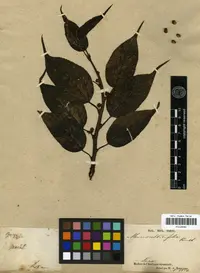
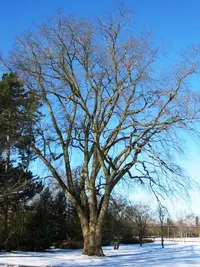
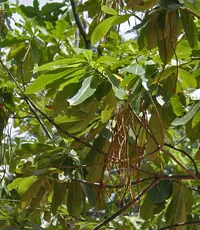
swamp tupelo Care (Nyssa biflora)

Also known as: Swamp black-gum
swamp tupelo

About swamp tupelo

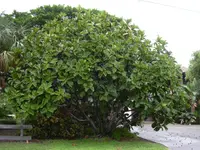
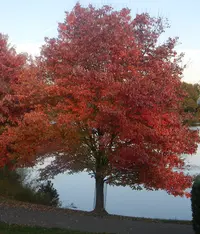
Swamp tupelo (Nyssa biflora) is a deciduous wetland tree known for its straight trunk, narrow crown, and glossy green leaves that turn bright red in fall. It typically forms in swamps, floodplains, and along slow-moving streams in the southeastern United States. The species tolerates standing water, heavy soils, and seasonal flooding, which makes it well suited to wet or low-lying sites. It can be slower to establish in drier or compacted urban soils, so placement strongly affects how to care for swamp tupelo. This tree prefers consistently moist, acidic soil and full sun to light shade for best growth and color.

Main Plant Requirements

Care Difficulty

Moderate Care

Light Preference

Full Sun

Water Requirements

Aquatic

Temperature Preference

Cold Hardy

Hardiness Zone

5–9

Soil Texture

Loamy, Clay, Organic-rich

Soil pH

Strongly acidic (4.5–5.5), Acidic (5.5–6.5)

Soil Drainage

Waterlogged tolerant

Fertilization

Minimal (feed rarely)

Get Personalized Care Plan

Scan your plant to receive care tips personalized for your specific plant

Available on iOS and Android

How to Care for the swamp tupelo

This wetland tree prefers full sun but adapts to light shade in many landscapes.

  • Provide 6–8 hours of direct sun daily; morning sun with light afternoon shade reduces leaf scorch on young trees.
  • Tolerates partial shade (3–5 hours sun), but swamp tupelo develops denser crowns and better fall color in more light.
  • In hot southern climates, avoid full, exposed afternoon sun on dry sites; in cooler regions, open full-sun locations are ideal year-round.

This species is adapted to consistently moist to wet conditions and does not like prolonged drought.

  • Keep soil evenly moist; in the ground, aim for soil that never fully dries below the top 5–8 cm, especially during the first 2–3 years.
  • In summer, watch for drooping or dull, curling leaves as a sign Nyssa biflora needs water; deep soak the root zone rather than sprinkling lightly.
  • Avoid standing water on compacted, poorly aerated soils that smell sour or show black, mushy roots, which indicate chronic overwatering and low oxygen.

This tree is hardy and tolerates a wide range of outdoor temperatures across much of the eastern US.

  • Optimal growing-season temperatures are about 65–85°F (18–29°C), supporting steady shoot and root development.
  • Mature trees tolerate winter lows near -10°F (-23°C); young trees benefit from protection from harsh, drying winter winds.
  • Heat tolerance is good up to about 95°F (35°C) if soil stays moist; prolonged frost below -10°F (-23°C) can damage young or stressed specimens.

This species prefers consistently moist air but generally adapts to typical outdoor humidity in most temperate climates.

  • Aim for ambient humidity around 50–80% when possible, especially in hot, drying winds.
  • Leaves browning at edges or tip dieback during drought can indicate low humidity combined with inadequate soil moisture.
  • To increase local humidity outdoors, plant near ponds or water features, or use mulch to reduce evaporative drying around the root zone.

Nyssa biflora thrives in saturated, organic-rich soils that mimic swamp or wetland conditions.

  • Use a heavy loam with high organic content, such as 50–70% composted leaf mold or peat alternative blended with native clay loam.
  • Soil should be poorly to moderately drained, capable of staying wet or periodically flooded without becoming anaerobic for long periods.
  • Target slightly acidic conditions, roughly pH 5.0–6.5, avoiding strongly alkaline or chalky substrates that restrict nutrient uptake.
  • To improve both water-holding capacity and aeration, incorporate coarse sand or fine pine bark along with organic matter, but avoid mixes dominated by perlite.

This species is generally unsuited to long-term container culture due to its eventual size and need for saturated, expansive root conditions.

Nyssa biflora is a low-input native tree that benefits from modest feeding only on poorer soils.

  • Use a balanced slow-release fertilizer (for example 10-10-10) or a thin layer of well-rotted compost in early spring.
  • Apply once per year during the growing season for young trees; mature trees usually need no supplemental feeding.
  • Reduce or skip feeding in fall and winter when growth is dormant.
  • Use about half the label rate, spread evenly over the root zone, and water in thoroughly.

Nyssa biflora needs only light, periodic pruning to maintain a healthy structure.

  • Time structural pruning for late winter to very early spring, before new growth starts.
  • Remove dead, damaged, crossing, or inward-growing branches using clean, sharp bypass pruners or a pruning saw.
  • Thin crowded interior branches modestly to improve light penetration and airflow without over-opening the canopy.
  • Limit cuts on mature trees to smaller branches so the natural form and future flowering are not reduced.

This species is usually grown in the ground, so Nyssa biflora care focuses on careful field transplanting rather than frequent repotting.

  • Transplant in late fall or early spring when the tree is dormant to reduce stress.
  • Look for circling roots, slow growth, or a pot-bound appearance as signs a container-grown tree needs a larger space.
  • Move up to a wider hole or container, loosening or slicing circling roots and keeping the root flare at soil level.
  • Water deeply after planting, then maintain consistent moisture and a 5–8 cm mulch ring to support root recovery.

Propagation of Nyssa biflora is usually done by seed and is moderately demanding in terms of time and conditions.

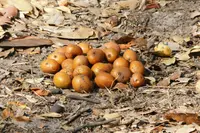
  • Collect ripe fruits in fall, clean the seeds, and use cold stratification at 34–41°F for 2–3 months to break dormancy.
  • Sow stratified seeds in a moist, well-drained, slightly acidic medium and keep at 68–75°F for germination.
  • Semi-hardwood cuttings in midsummer root slowly; use rooting hormone, high humidity, and bottom heat if available.
  • Young seedlings need consistent moisture, light shade, and protection from disturbance during their first year.

Nyssa biflora is hardy in much of its native range and generally needs minimal winter attention once established.

  • In colder areas, apply a 5–8 cm mulch layer over the root zone, keeping it slightly away from the trunk.
  • Newly planted trees benefit from wind exposure reduction using fencing or nearby structures.
  • Container-grown specimens in cold climates should be sunk into the ground, heavily mulched, or moved into an unheated but frost-free space.

Care Tips

Flooding management

If planting in a low-lying or pond-edge site, install a simple overflow trench or swale to allow short-term flooding but prevent water from standing over the root flare for more than a few weeks.

Root zone protection

Keep a wide, permanent no-compaction zone under the canopy by excluding vehicles and heavy foot traffic, since Nyssa biflora roots are shallow and easily damaged by soil compaction.

Acidifying mulch choice

Use a 5–8 cm layer of pine bark, pine straw, or shredded hardwood mulch and renew it regularly, which helps maintain the acidic conditions this species prefers and moderates soil moisture swings.

Storm resilience training

In windy regions, use a low, flexible staking system for the first 1–2 years, then remove it so the trunk can flex and strengthen naturally, improving long-term storm resistance when growing swamp tupelo.

Wet-site companion planting

Combine this tree with other wet-tolerant natives such as bald cypress or buttonbush to create a stable planting that shades soil, reduces weed pressure, and supports beneficial insects around the root zone.

Common Pests and Diseases

Leaf spot fungi

This disease causes circular to irregular brown or purplish spots on leaves, sometimes with yellow halos and premature leaf drop in late summer. Symptoms include heavier impact on stressed trees growing outside consistently wet or acidic soils.

Solution

Collect and remove fallen leaves in autumn to reduce fungal spore carryover, and avoid overhead irrigation on landscape plantings. For high‑value trees with severe, repeated issues, improve air circulation by thinning nearby vegetation and consult a local arborist about targeted fungicide sprays timed to spring leaf-out as part of broader Nyssa biflora care instructions.

Canker diseases

This disease produces sunken, dead patches on branches or trunks, often with cracking bark and dieback of twigs beyond the canker. Symptoms include more frequent problems where the tree is stressed by drought, flooding outside its normal tolerance, or mechanical injury.

Solution

Prune out affected branches several inches below visible damage during dry weather and disinfect tools between cuts. Prevent new infections by avoiding trunk injuries, maintaining even soil moisture, and keeping mulch a few inches away from the base to limit bark stress and wounding.

Scale insects

These insects appear as small, immobile bumps on twigs and branches and can cause reduced vigor, sparse foliage, and sticky honeydew that may lead to sooty mold. This pest is most often seen on stressed or older trees in landscape or street plantings.

Solution

For light infestations, scrub or gently scrape scales from small branches and prune heavily infested twigs, then dispose of them. For larger trees, encourage or conserve natural predators like lady beetles, and when necessary use a labeled horticultural oil during the dormant season or at crawler emergence, following local extension guidance.

Borers

These insects tunnel into trunks or larger branches, leaving small exit holes, frass (sawdust-like material), and localized dieback above the damaged area. This pest targets trees weakened by drought, flooding extremes, or mechanical injury.

Solution

Remove and destroy severely infested branches and maintain tree vigor through proper watering, mulching, and protection from trunk damage. Preventive trunk sprays are sometimes used on high‑value specimens under guidance from a certified arborist, but long‑term management focuses on reducing stress so the tree is less attractive to borers.

Interesting Facts

Specialist wetland species

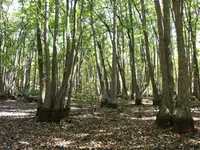
This tree is strongly associated with shallow, seasonally to permanently flooded wetlands in the southeastern US Coastal Plain and often dominates in pocosins, Carolina bays, and blackwater swamps where few other tree species tolerate the same water regime.

Distinctive paired flowers

Unlike its close relative Nyssa sylvatica, this species typically bears its small greenish flowers in distinctive pairs on short stalks, which is the origin of the epithet biflora, meaning two-flowered.

High flood tolerance

Its root system and trunk anatomy are adapted to remain functional under long periods of low-oxygen, waterlogged conditions, allowing it to survive in habitats that experience prolonged standing water.

Botan icon

Did you know?

Swamp tupelo wood is valued in niche applications because the interlocked grain in its trunk base makes it highly resistant to splitting, so the butt log has historically been used for products such as cooperage parts and carved items that must withstand repeated impact or stress.

FAQs about swamp tupelo

Growth is generally slow to moderate. Young trees often add about 30–45 cm in height per year under consistently moist conditions, then slow with age. Poor drainage extremes, drought, or compacted soil can reduce this rate further.

Grow Healthy Plants with Botan Care

Keep your plants happy and healthy with plant identification, disease detection, and easy care guidance.

Botan plant care app — identify plants on mobile

Explore More Plants