Wind training
Expose young trees to unobstructed but not extreme wind so trunks flex slightly, which stimulates stronger wood formation and reduces the risk of storm damage later.

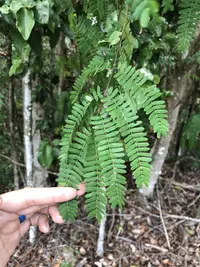
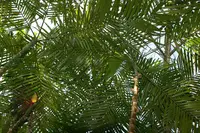
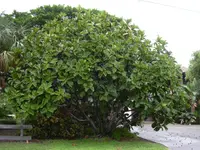
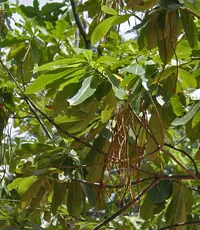
False tamarind, Lysiloma latisiliquum, is a medium to large, semi-evergreen tree from tropical and subtropical regions of the Caribbean, Mexico, and southern Florida. It naturally forms a broad, rounded canopy with fine, feathery leaflets and long, narrow seed pods.
This species grows relatively fast in warm climates and is valued for light, filtered shade rather than dense darkness. Its main trunk and branches are sturdy but the small leaflets shed regularly, so it suits outdoor landscapes more than patios.
In general, it prefers full sun, well-drained soil, and moderate moisture, which keeps care for false tamarind straightforward in suitable climates.

Care Difficulty
Easy Care

Light Preference
Full Sun

Water Requirements
Low Water

Temperature Preference
Warm Climate

Hardiness Zone
9–11

Soil Texture
Sandy, Loamy, Rocky

Soil pH
Slightly acidic (6.5–7.0), Neutral (7.0)

Soil Drainage
Well-drained

Fertilization
Minimal (feed rarely)
Scan your plant to receive care tips personalized for your specific plant
Available on iOS and Android
This sun-loving tropical tree thrives in bright, open sites typical of coastal and subtropical landscapes.
This drought-tolerant tree prefers deep, infrequent watering once established rather than frequent shallow applications.
This warm-climate species grows best in frost-free, subtropical to tropical conditions.
This species handles a wide humidity range and usually needs no special humidity management outdoors.
This dry-tolerant tree prefers lean, well-drained mineral soils rather than rich, moisture-retentive mixes.
This tree is only moderately suitable for container growing and usually works best in its juvenile stages or as a temporary specimen.
This drought-tolerant native tree needs minimal feeding, but light nutrition can support healthy growth when young.
Lysiloma latisiliquum responds well to light structural pruning that maintains a strong, open canopy.
This species is usually grown in the ground, so focus on careful transplanting of young trees rather than frequent repotting.
New Lysiloma latisiliquum plants are most commonly raised from seed rather than vegetative methods.
This warm-climate tree has limited frost tolerance and needs protection in regions with cold winters.

Plant Health Check
Not sure what's wrong with your plant? Check your plant's health inside the app.
This species is naturally dominant in coastal dry forests of southern Florida, the Bahamas, and parts of the Caribbean, where it tolerates shallow, rocky, high-pH soils and long seasonal droughts that many other trees cannot handle.
As a legume, it forms root nodules with symbiotic bacteria that can convert atmospheric nitrogen into usable forms, gradually enriching poor soils while still producing dense, high-quality timber.
Its very long, flat seed pods often remain on the tree and dry to a rigid, papery texture that can rattle in the wind, making the tree easy to identify by sound during the dry season.

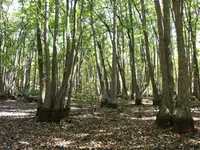
In parts of the Caribbean and south Florida, this species can form nearly pure stands on exposed limestone, where its extensive root system exploits narrow rock fissures, helping stabilize fragile karst landscapes that are highly prone to erosion.
Growth is relatively fast for a tree species. In suitable warm climates with adequate moisture and space, it can add roughly 30–90 cm of height per year, slowing somewhat as it approaches mature size.
Keep your plants happy and healthy with plant identification, disease detection, and easy care guidance.