


Rotate for symmetry
Rotate the pot 1/4 turn every month so the stiff vertical leaves receive balanced light and develop an even, upright clump instead of leaning toward one side.

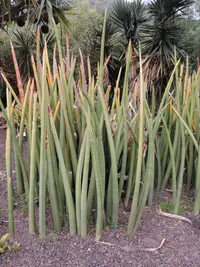
Dracaena stuckyi, often called the spear sansevieria or African spear, is a succulent-type houseplant with tall, stiff, cylindrical leaves that grow upright in tight clumps. Its architectural form makes it popular for modern interiors and low-maintenance collections.
This species is native to dry regions of East Africa, where it has adapted to strong light, poor soils, and long dry periods. Those adaptations make it forgiving of missed waterings and generally easy to grow indoors.
It tolerates a wide range of indoor light and prefers well-draining soil and moderate watering. These traits explain why many guides on how to care for Dracaena stuckyi describe it as suitable for beginners.

Care Difficulty
Easy Care

Light Preference
Bright Indirect Light

Water Requirements
Low Water

Temperature Preference
Tropical / Frost Sensitive

Hardiness Zone
10–12

Soil Texture
Sandy, Loamy, Rocky

Soil pH
Acidic (5.5–6.5), Slightly acidic (6.5–7.0)

Soil Drainage
Well-drained

Fertilization
Minimal (feed rarely)
Scan your plant to receive care tips personalized for your specific plant
Available on iOS and Android
This species prefers bright, indirect light with some gentle direct sun.
This drought-tolerant plant needs infrequent but thorough watering in fast-draining soil.
This plant prefers warm, stable temperatures and is sensitive to cold and frost.
This species tolerates dry homes but grows best with moderate, stable humidity.
This species prefers a fast-draining, gritty mix that mimics dry, rocky habitats.
This species is very suitable for container growing due to its upright, slow habit.
This drought-tolerant succulent needs only light feeding to stay healthy in containers.
This species needs very little pruning, mainly for cleanliness and minor shaping.
This slow-growing succulent tolerates slight root crowding and does not require frequent repotting.
This plant is most often propagated from stem cuttings, which root slowly but reliably under stable conditions.
This species is frost-sensitive and needs protection in climates where temperatures drop near or below freezing.

Plant Health Check
Not sure what's wrong with your plant? Check your plant's health inside the app.
The stiff, upright leaves emerge from the base in a slightly spiraled fan, often forming a tight V or funnel shape that channels water toward the root zone in its native dry habitats.
This species uses crassulacean acid metabolism (CAM), a photosynthetic pathway that allows it to open stomata mainly at night, reducing water loss and supporting survival in semi-arid East African environments.
Instead of growing a tall central trunk, this plant slowly forms clumps of vertical leaf spikes from rhizome-like underground stems, creating a dense architectural cluster over many years.

In some East African regions, this species has historically been planted as a living fence or boundary marker, taking advantage of its rigid, upright leaves and very slow, controllable growth to define paths and homestead edges over long periods.
Brown tips usually come from low humidity, fluoride or salt buildup in tap water, or underwatering. Use filtered or distilled water, flush the soil occasionally, and keep watering consistent to prevent stress-related browning.
Keep your plants happy and healthy with plant identification, disease detection, and easy care guidance.

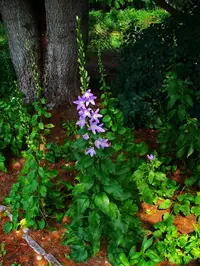
Chimney Bellflower
Campanula pyramidalis
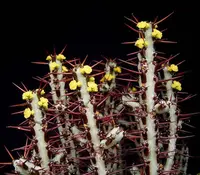
Verdigris Spiny Milkweed
Euphorbia aeruginosa
 POPULAR
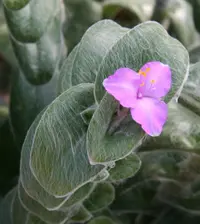
White Velvet
Tradescantia sillamontana

Bird's Nest Snake Plant
Dracaena trifasciata 'Golden Hahnii'
Chinese Evergreen
Aglaonema 'Creta'
Dorstenia drakena
Dorstenia drakena
garlicvine
Mansoa alliacea
Dancing bones cactus
Hatiora salicornioides