Agave cerulata Care

Agave cerulata

About Agave cerulata

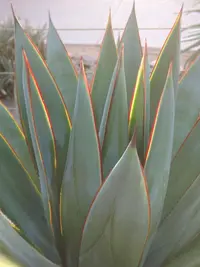
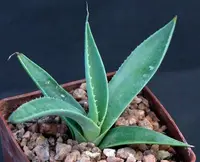
Agave cerulata is a compact, slow-growing succulent native to arid regions of Baja California in Mexico. It forms tight rosettes of stiff, narrow blue-gray leaves with sharp spines along the edges and at the tip. Over time, it can cluster into small, sculptural clumps that suit rock gardens, xeriscapes, or container displays. This species is adapted to strong sun, high heat, and very dry conditions, which makes it drought tolerant but sensitive to excess moisture and poor drainage. For those who want to care for Agave cerulata successfully, the key traits to respect are its need for bright light, fast-draining soil, and infrequent watering.

Main Plant Requirements

Care Difficulty

Moderate Care

Light Preference

Full Sun

Water Requirements

Low Water

Temperature Preference

Warm Climate

Hardiness Zone

9–11

Soil Texture

Sandy, Rocky, Loamy

Soil pH

Slightly acidic (6.5–7.0), Neutral (7.0)

Soil Drainage

Well-drained

Fertilization

Minimal (feed rarely)

Get Personalized Care Plan

Scan your plant to receive care tips personalized for your specific plant

Available on iOS and Android

How to Care for the Agave cerulata

This desert succulent thrives in strong, direct sun but can adapt to slightly less intense light in very hot regions.

  • Provide 6–10 hours of direct sun daily; full, open exposure suits mature plants in arid or coastal climates.
  • In very hot inland sites, give Agave cerulata light afternoon shade or filtered light to reduce leaf scorch, especially on young plants.
  • Watch for symptoms: pale, elongated leaves indicate too little light, while bleached, brown patches on the south or west side suggest excessive, intense sun.

This species is highly drought-adapted and must dry thoroughly between waterings to prevent root rot.

  • Before watering, let the top 5–10 cm of soil dry completely; in natural arid conditions this often means long dry gaps between rains.
  • Use very fast-draining, gritty soil or rocky ground so water runs through quickly and does not pool around the roots.
  • In warm, dry seasons, water only when leaves start to lose slight firmness; in cool months, withhold water except in prolonged drought, to avoid swollen, yellowing leaves from overwatering.

This plant prefers hot, dry conditions but can survive brief cold if protected from excess moisture.

  • Aim for active growth around 70–90°F (21–32°C); it tolerates higher summer heat if soil is very free-draining and air movement is good.
  • Plants can survive down to about 25°F (−4°C) if kept dry, but leaf damage increases as temperatures fall below 28°F (−2°C).
  • Avoid prolonged frost, cold wet soil, and sudden swings from cool to intense heat, which can cause tissue cracking and slow recovery in Agave cerulata.

This desert species tolerates 20–40% humidity and usually does not need extra moisture control indoors or outdoors.

  • Very dry air is tolerated, but prolonged humidity above 60% increases risk of leaf spotting and rot.
  • Early humidity stress shows as soft, waterlogged leaf bases rather than crisp, dry tips.
  • In persistently humid climates, increase air movement around the rosette and avoid crowding plants to limit trapped moisture.

This species needs very fast-draining, mineral-based soil to prevent root and crown rot.

  • Use a gritty mix: 50–70% coarse sand or small gravel with the rest cactus mix or lean loam.
  • Aim for slightly alkaline to neutral pH around 7.0–8.0, avoiding peat-heavy acidic substrates that hold water.
  • Improve aeration by adding pumice or perlite so water drains through the root zone in seconds, not minutes.
  • Avoid compacted, clay, or consistently damp soils, which limit oxygen and quickly damage the fibrous roots of Agave cerulata.

This species can be grown successfully in containers when drainage and stability are prioritized.

  • Choose a wide, low pot to balance the spreading, spiny rosette and reduce tipping in wind or on balconies.
  • Select unglazed clay if possible, as its porous walls allow faster evaporation from the root zone in wet climates.
  • Elevate the pot on feet or bricks so drainage holes remain clear and water cannot pool under the container.

This desert species needs very light feeding, especially in lean, gritty soils.

  • Use a diluted balanced liquid fertilizer (around 10-10-10) at 1/4–1/2 strength for potted Agave cerulata during active growth in spring–summer.
  • Apply every 6–8 weeks at most; avoid fertilizing stressed or newly transplanted plants.
  • Do not fertilize in fall–winter, when growth slows or stops.
  • In-ground plants in poor but well-drained soil generally manage with little or no added fertilizer.

This species needs minimal pruning, focused on safety and hygiene rather than shaping.

  • Best timing is late spring to early summer, once risk of frost has passed.
  • Remove only dead, dry, damaged, or pest-infested leaves using sharp, clean shears or a pruning saw.
  • Trim close to the base without cutting the central growing point to maintain rosette form.
  • Cutting back spent flower stalks after flowering improves appearance but does not restore the flowering rosette.

Container-grown plants and young transplants benefit from occasional adjustment to space and soil conditions.

  • Look for roots circling the pot, bulging containers, or slowed growth as signs it needs a larger pot or open-ground site.
  • Aim to repot or transplant in late spring, about every 3–5 years for containers, using a fast-draining cactus mix.
  • Handle the root ball gently, teasing roots only lightly to limit stress and keeping as much soil attached as possible.
  • Water lightly after moving, then allow soil to dry between waterings so roots re-establish without rotting.

This species is usually propagated from offsets, with seed used mainly by advanced growers or for breeding.

  • Detach basal offsets in late spring–summer once they have several leaves and a small root system.
  • Let any cut surfaces dry and callus for several days in shade before planting in a gritty, free-draining mix.
  • Keep newly potted offsets slightly moist, bright, and warm (70–80°F) to encourage root formation.
  • Sow seeds in shallow trays with a sterile cactus mix, giving bright indirect light and consistent, light moisture until germination.

Mature plants are relatively cold tolerant when dry but need some attention in colder or wetter climates.

  • Tolerates brief light frosts, but prolonged freezes or wet cold can damage leaves and roots.
  • In-ground plants benefit from a 5–8 cm layer of gravel mulch around the base to keep the crown dry.
  • For containers, move plants under a roof, cold frame, or indoors to a bright, cool, very dry spot.
  • Reduce or stop watering in winter so the soil stays almost completely dry, lowering the risk of rot.

Care Tips

Rocky root zone

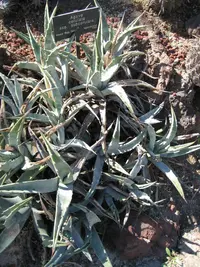
Set the plant slightly raised on a low mound of gravelly soil or among rocks to keep the crown dry and reduce the risk of rot after heavy rains when growing Agave cerulata outdoors.

Secure heavy rosettes

In windy or sloped sites, bed the lower leaves lightly into surrounding gravel or use large stones around the base to stabilize the rosette and prevent it from loosening in the soil over time.

Safe access planning

Allow at least 60–90 cm of clear space around the plant and orient it away from paths or doorways to avoid accidental contact with the sharp leaf tips as the rosette expands.

Pup management strategy

Monitor for offsets at the plant base and either remove them cleanly with a sharp, disinfected knife to maintain a single specimen, or leave selected pups spaced apart to form a controlled clump.

Winter rain protection

In regions with cool, wet winters, place a simple clear cover or lean-to over the plant to keep excess rain off the crown while still allowing maximum light and airflow.

Common Pests and Diseases

Agave snout weevil

This pest bores into the base of the rosette and lays eggs; larvae tunnel through tissues, causing collapse of the plant from the center outward. Symptoms include yellowing outer leaves, a loose wobbly crown, and foul-smelling, mushy tissue at the base.

Solution

Remove and destroy any visibly affected plants, including surrounding soil at the base, to prevent larvae and pupae from remaining in the area. For nearby healthy plants, avoid wounds, keep them dry and well-drained, and use a systemic insecticide labeled for agaves as a preventative soil drench in spring in areas where this weevil is known to occur.

Scale insects

These insects attach to leaves and stems as small, dome-shaped or crusty bumps, sucking sap and weakening the plant over time. Symptoms include yellow or pale patches on leaves, sticky honeydew, and sometimes sooty black mold on the leaf surfaces.

Solution

Physically remove scales with a soft brush or cloth dipped in diluted alcohol, taking care not to scrape the leaf surface too hard. For heavier infestations on outdoor plants, apply a horticultural oil or insecticidal soap thoroughly to all leaf surfaces, and repeat according to label directions while improving air movement and avoiding overhead watering.

Agave mite

This pest lives in tight leaf bases and between young leaves, often hidden from view, and feeds on the plant’s tissues. Symptoms include distorted new growth, sunken or corky patches, and sometimes irregular discoloration or streaking on leaves.

Solution

Discard and destroy severely deformed or stunted plants, as mites are difficult to eliminate once established deep in the rosette. For early or mild cases, remove and dispose of the most distorted leaves, then treat with an acaricide specifically labeled for mites on ornamentals, and isolate the plant from other agaves to reduce spread while monitoring new growth closely.

Erwinia soft rot

This disease is caused by bacteria that rapidly break down leaf and crown tissue, particularly in warm, wet conditions. Symptoms include watery, foul-smelling, soft areas at the leaf bases and a collapsing rosette that may pull away easily at the crown.

Solution

Immediately remove and discard any plants with advanced soft rot, along with nearby fallen plant material, since bacteria spread easily with moisture. To reduce risk for remaining plants, maintain very sharp drainage, avoid water collecting in the rosette, irrigate at the soil level in the morning only, and sterilize cutting tools between plants using alcohol or a bleach solution.

Anthracnose leaf spot

This disease is caused by fungi that create tan to dark brown spots on leaves, often with a slightly sunken center or dark margins. Symptoms include coalescing lesions that can dry, crack, and weaken leaf tissue, particularly in humid or poorly ventilated areas where growing Agave cerulata is dense or crowded.

Solution

Prune and discard affected leaves as soon as lesions are noticed, cutting well into healthy tissue and keeping tools disinfected between cuts. Improve spacing and air movement, avoid overhead watering, and if new spots continue to form, apply a copper-based or other labeled ornamental fungicide, following label instructions and rotating products if repeated treatments are needed.

Interesting Facts

Baja California specialist

This species is native to the central deserts of the Baja California Peninsula, where it grows on rocky hillsides and gravelly slopes exposed to intense sun and wind.

Distinct coastal forms

Two recognized varieties, Agave cerulata var. cerulata and A. cerulata var. dentiens, differ in leaf color and marginal teeth, and occupy slightly different microhabitats along the peninsula.

Blue waxed leaves

The bluish to gray-green leaf color comes from a waxy coating (epicuticular wax) that reflects sunlight and reduces water loss, an adaptation to its extremely arid environment.

Botan icon

Did you know?

In its native Baja California range, this species often forms dense, clumping colonies that can dominate patches of desert scrub, providing shelter and structure for small animals and other plants in an otherwise very open landscape.

FAQs about Agave cerulata

Yes, this species does well in containers with excellent drainage and a gritty mix. Use a wide, heavy pot, avoid overpotting, and rotate occasionally for even growth. Container culture also simplifies how to take care of Agave cerulata.

Grow Healthy Plants with Botan Care

Keep your plants happy and healthy with plant identification, disease detection, and easy care guidance.

Botan plant care app — identify plants on mobile

Explore More Plants